Village Life, Culture, And Commutes In South Orange
Looking for a town that gives you an easy New York commute without giving up charm, culture, or green space? South Orange often stands out for exactly that reason. If you are weighing where to live in Essex County, this guide will help you understand how South Orange feels day to day, what makes its village center active, and why so many buyers keep it on their shortlist. Let’s dive in.
South Orange describes itself as offering "City Sense, Village Vibe," and that phrase fits the experience well. The village combines a compact footprint with a busy downtown, historic homes, and direct rail service, which is not an easy mix to find in one place.
The numbers help explain the feel. South Orange Village township had an estimated population of 19,139 as of July 1, 2025, with just 2.85 square miles of land area. That relatively compact size, paired with a density of 6,494.7 people per square mile, helps create a place that feels connected and active rather than spread out.
The village’s planning documents also describe South Orange as walkable, human-scaled, and fairly dense. In practical terms, that means daily errands, downtown outings, and the train station can feel more integrated into your routine than they might in a more car-dependent suburb.
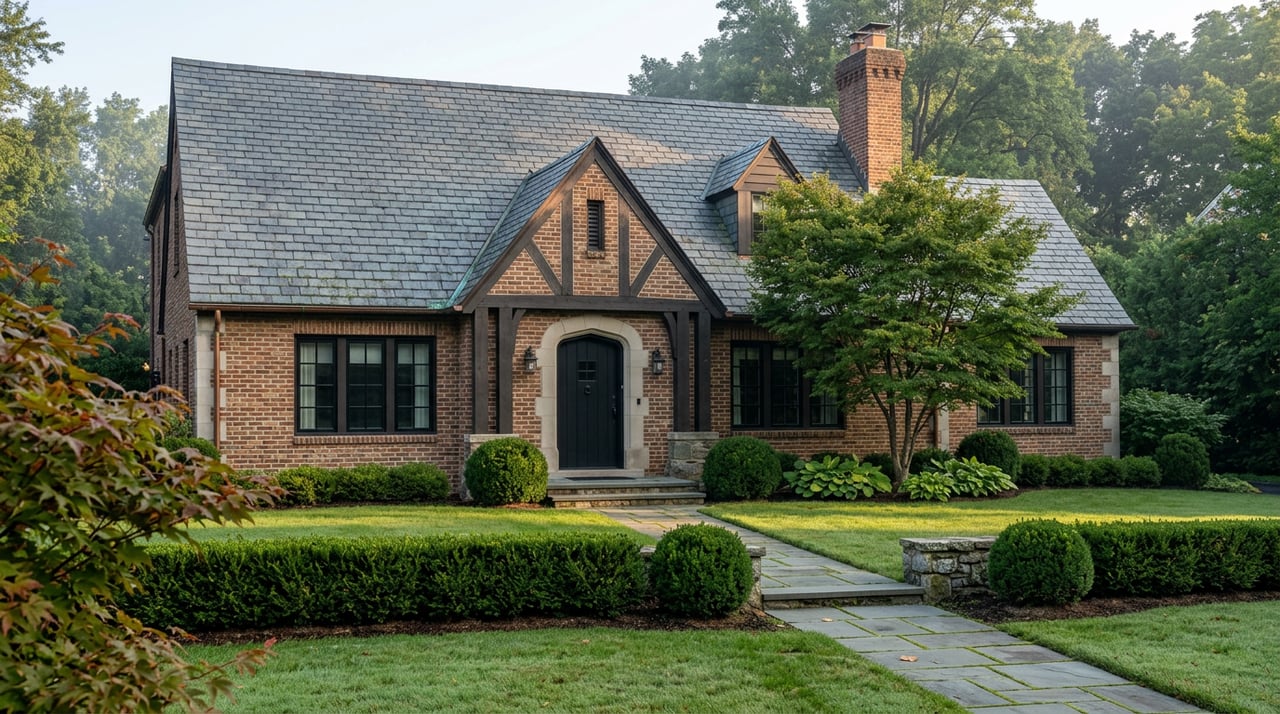
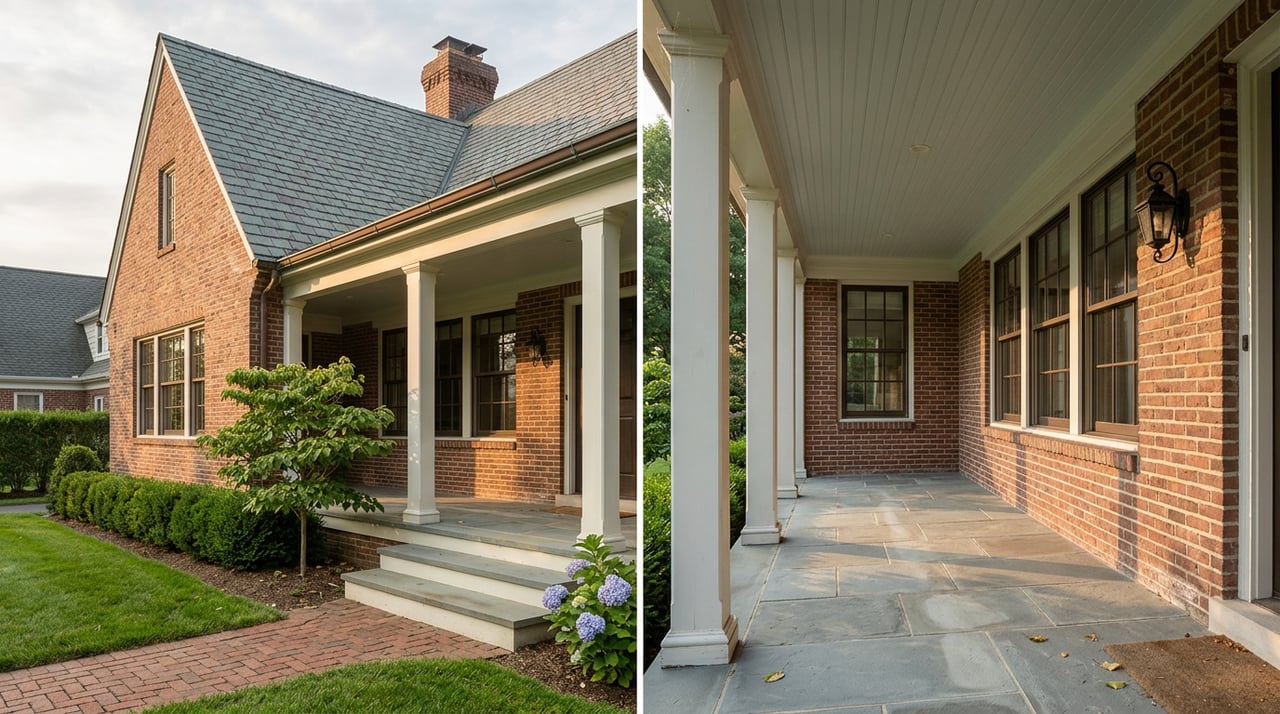
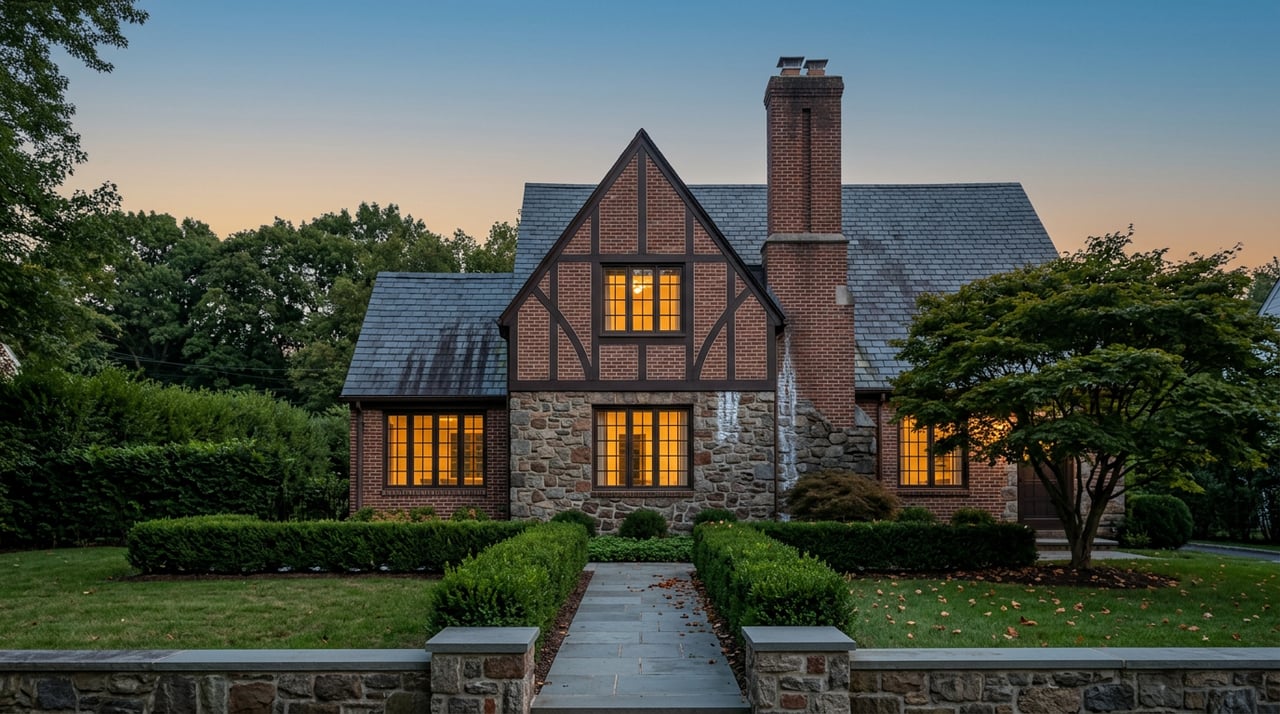
If you are drawn to homes with architectural presence, South Orange has a strong visual identity. The village’s history materials describe it as a residential community known for Tudor, Colonial, and Victorian homes, along with gaslit streets, parks, and a bustling center.
That housing stock gives many blocks a sense of texture and continuity. South Orange also recognizes 10 neighborhood associations, which adds to the feeling that different parts of town have their own local rhythm while still connecting back to the larger village.
From a housing profile standpoint, South Orange is also relatively owner-oriented. Census QuickFacts reports a 65.4% owner-occupied housing rate and a median owner-occupied home value of $866,600, which reflects a market where many buyers are looking for long-term fit, character, and convenience.
One of the biggest strengths of South Orange is that its downtown is not just a place you pass through on the way to the train. South Orange Downtown describes the village center as a vibrant district with diverse businesses, cuisine from around the world, enrichment classes, SOPAC, a cinema, and free community events.
The business mix is substantial for a town this size. According to South Orange Downtown, there are more than 150 businesses in the district, with only four ground-floor retail vacancies remaining. Recent downtown reporting also notes that more than 25 new businesses opened in the past two years.
That matters if you want a town center that feels active and current. South Orange offers the kind of weekly rhythm that supports day-to-day life, whether you are meeting friends for dinner, picking up a few things locally, or staying in town for an evening out.
South Orange’s downtown activity is shaped by more than retail. The village and downtown sources point to recurring events like the farmers market and Downtown After Sundown concerts, while the annual Food Stroll highlights the concentration of restaurants and specialty retailers.
This kind of programming helps the village center feel social and lived-in. Instead of being busiest only at commute hours, downtown South Orange supports regular local activity throughout the week and across seasons.
For buyers comparing Essex County towns, that can be a meaningful advantage. A downtown that combines practical convenience with real community use tends to become part of your routine rather than an occasional destination.
South Orange has a cultural presence that feels unusually strong for its size. The village’s arts page notes that SOPAC opened in 2006 and became a regional destination for music, theatre, dance, comedy, and visual art in a modern, intimate setting.
The programming appears broad and consistent. SOPAC’s calendar includes jazz, comedy, theatre, and school and community events, which suggests a year-round venue rather than a one-note performance space.
The village also highlights the Pierro Gallery, which presents contemporary visual artists to the community. Together, these spaces give South Orange an arts scene that is woven into local life, not separated from it.
Culture in South Orange is not limited to one theater. The renovated Baird Community Center, completed in March 2024, now includes community space and a café, dance and fitness rooms, art rooms, a performance space, and a public meeting area.
That is important because it broadens how residents can engage with the arts and community programming. It supports a lifestyle where creative and civic spaces are part of everyday village life.
Village leadership also emphasizes diversity and inclusiveness as part of the South Orange and Maplewood identity. That helps explain why the cultural tone often feels welcoming and community-minded.
South Orange balances its compact downtown with a wide range of outdoor spaces. The village’s Fast Facts page lists Meadowland Park, Cameron Field, Flood’s Hill, Duck Pond, Grove Park, Waterlands Park, Farrell Field, Memorial Park, Third Street Playground, and Carter Playground.
That variety matters. Instead of relying on one major park, South Orange offers a network of green spaces that can be part of ordinary daily life, whether you want a quick walk, open space nearby, or a place to spend part of the afternoon outdoors.
For active travel, the River Greenway project is designed as a car-free corridor for walking, biking, and scootering along the East Branch of the Rahway River. The project connects parks and open spaces from Meadowland Park toward Maplewood and Orange, adding another layer to how residents can move through the area.
Beyond village parks, South Mountain Reservation expands the outdoor options in a big way. Essex County describes the reservation as a 2,112-acre nature reserve with the Lenape Trail, woodlands, Hemlock Falls, scenic overlooks, a dog park, and historic landscape features.
For many buyers, that combination is a major draw. You can have a walkable village center and still be close to longer hikes, wooded trails, and a more immersive nature setting when you want a reset.
For New York commuters, the train is one of South Orange’s headline features. South Orange Station is on NJ Transit’s Morris & Essex line, and NJ Transit lists parking, accessibility, Wi-Fi, and bike racks and lockers at the station.
NJ Transit also shows the Morris & Essex lines serving travel via Newark Broad Street, Hoboken, and New York. The village and downtown alliance both say riders can reach Penn Station in about 30 minutes, which is a major reason South Orange remains attractive to buyers who want village living with direct rail access.
The location of the station matters too. It sits in the center of town, which strengthens the link between commuting and daily life. Instead of needing to drive far to catch a train, many residents can keep the station, downtown, and other local amenities closely connected.
If you drive or combine transit modes, South Orange also offers practical regional access. South Orange Downtown says the district sits midway between I-78 and I-280 and is served by several NJ Transit bus routes, including the 107 to and from New York City.
That flexibility can be helpful if your work schedule changes or you travel throughout North Jersey. For some buyers, having more than one commuting option adds useful day-to-day resilience.
South Orange can appeal to buyers who want more than a house alone. It often attracts people looking for a connected lifestyle where architecture, downtown activity, arts programming, park access, and transit all work together.
Census QuickFacts reports a mean travel time to work of 38.6 minutes, which suggests many residents are balancing village living with regional commuting. The same source reports a median household income of $196,481 and that 77.5% of adults age 25 and older hold a bachelor’s degree or higher, which helps frame the market profile and buyer expectations you may encounter.
If you are comparing South Orange with other Essex County towns, its edge often comes from how much is packed into a small footprint. Historic housing, a walkable downtown, direct rail service, arts venues, and extensive park access all overlap here in a way that feels unusually cohesive.
For buyers, South Orange offers a clear lifestyle proposition. You are not choosing only a home. You are choosing how close you want to be to the train, the village center, local events, and outdoor space.
For sellers, that means presentation matters. Buyers are often responding not just to square footage or finishes, but to the full story of village life, architectural character, and commute convenience.
At The Wright Group, we understand how to position Essex County homes through both market data and lifestyle storytelling. Whether you are preparing to buy in South Orange or considering a sale, our approach is designed to highlight what makes a property and its location stand out. If you are ready to explore your next move, The Wright Group is here to help.
Stay up to date on the latest real estate trends.
Your Seasonal Home Maintenance Checklist in Montclair, NJ, for a Market-Ready Home.
A Local Guide to Common Home Seller Mistakes in Montclair, NJ.
Trusted, local Listing Specialists who will help you achieve your real estate goals and tell your home's story like no one else can. The Wright Group will MAXIMIZE your home's equity with unrivaled storytelling power and exceptional sales expertise!