How To Approach Buying An Estate Home In Essex Fells
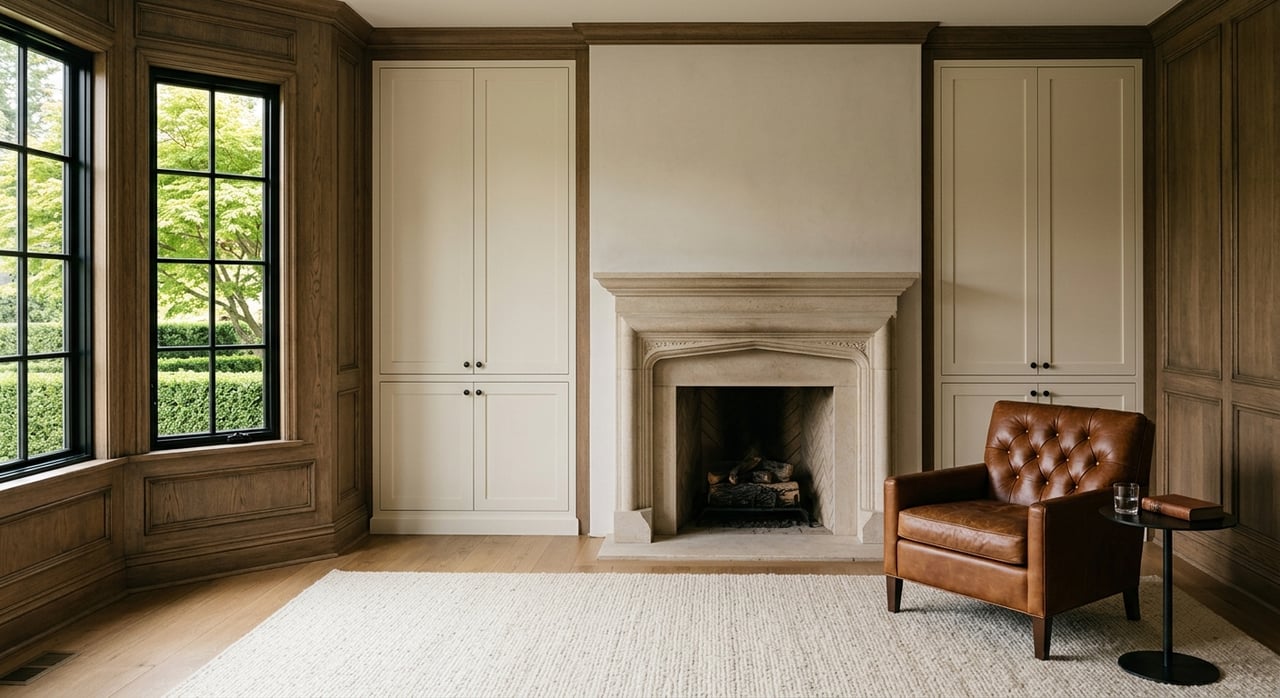
If you are thinking about buying an estate home in Essex Fells, you already know this is not a typical home search. The homes, lot sizes, and long-term carrying costs can look very different from nearby towns, and small details can have a big impact on how a property fits your plans. With the right approach, you can move with confidence, avoid costly surprises, and focus on the features that matter most to you. Let’s dive in.
Essex Fells is a small, low-density borough where detached one-family homes shape the housing stock. Local zoning across the residential districts limits development intensity through minimum lot sizes, width requirements, height limits, impervious coverage caps, and the rule that only one principal structure is allowed on each lot in RA-1 through RA-6.
In practical terms, that means many buyers experience Essex Fells as an estate-style market. You are often shopping for more land, more privacy, and more separation between homes than you may find in other Essex County communities. That physical setting is a major part of the appeal, but it also means each purchase deserves careful review beyond the house itself.
In Essex Fells, the purchase price is only one part of the equation. The borough’s 2025 tax summary shows an average residential tax bill of $21,893.07 based on an average residential assessment of $943,437.72, with a total tax rate of 2.311.
That makes early cost planning essential, especially if you are comparing Essex Fells with neighboring towns that may carry lower annual tax obligations. Property taxes are a meaningful part of ownership here, so your buying strategy should include not only your mortgage range, but also taxes, insurance, maintenance, and likely upkeep for a larger lot and older home.
Before you make an offer, it helps to model costs line by line. For an estate purchase, even small differences in annual expenses can change your comfort level over time.
Include items such as:
A large share of the borough’s housing was built before 1970, according to the NCES ACS-ED dashboard. That does not mean a home is problematic, but it does mean age should be part of your decision-making from the beginning.
Older estate homes often bring character, craftsmanship, and established grounds. At the same time, they may require more careful review of plumbing, drainage, site conditions, and any prior improvements made over the years.
The borough’s lead-service inventory says properties initially developed before 1950 may have galvanized service lines or components. Homes built from 1950 to 1960 are listed as unknown, while homes built after 1960 are generally assumed to have copper service lines unless verified otherwise.
That matters because the borough also notes that much of the service line is privately owned. If you are buying an older home, ask early about service-line materials, prior replacements, and any available documentation so you have a clearer picture of your responsibilities after closing.
Estate buyers often focus on square footage and architecture first, but the lot can be just as important. In Essex Fells, zoning rules and low-density development patterns make land a defining feature of many purchases.
You should think about how you want to use the property, not just how it looks on showing day. A beautiful lot may still need careful review if you are planning a pool, expanded patio, driveway changes, or other exterior improvements.
The borough requires a lot-surface drainage permit for 300 or more square feet of new impervious area, including features such as pools, tennis courts, closed patios, accessory structures, and driveways that affect drainage. The application must include a survey and a drainage plan prepared by a New Jersey licensed engineer or architect.
That does not mean every property will need immediate changes. It does mean your plans for the site should be discussed before you commit, especially if the outdoor spaces are a major reason you want the home.
One of Essex Fells’ defining qualities is its wooded, screened character. The borough’s tree ordinance ties tree preservation to soil stability, runoff reduction, noise and pollution buffering, property values, and the borough’s visual character.
For buyers, this is about more than curb appeal. Mature trees can help create the privacy and sense of retreat that many estate-home buyers want, but they can also affect future construction plans, landscaping work, and removal timelines.
The local ordinance requires permits for removing ornamental trees that are 3 inches or more in diameter and other trees that are 6 inches or more in diameter. It also requires protective barriers around trees that remain during construction.
If you are considering changes to the grounds, ask about:
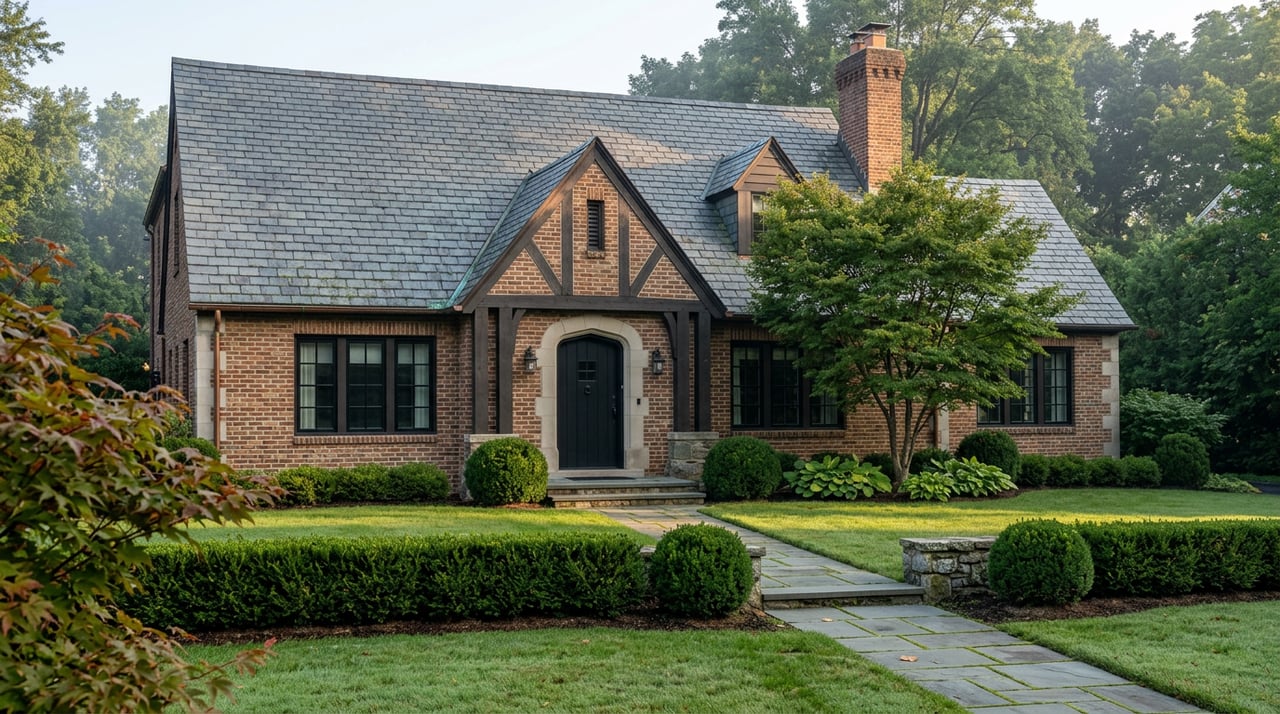
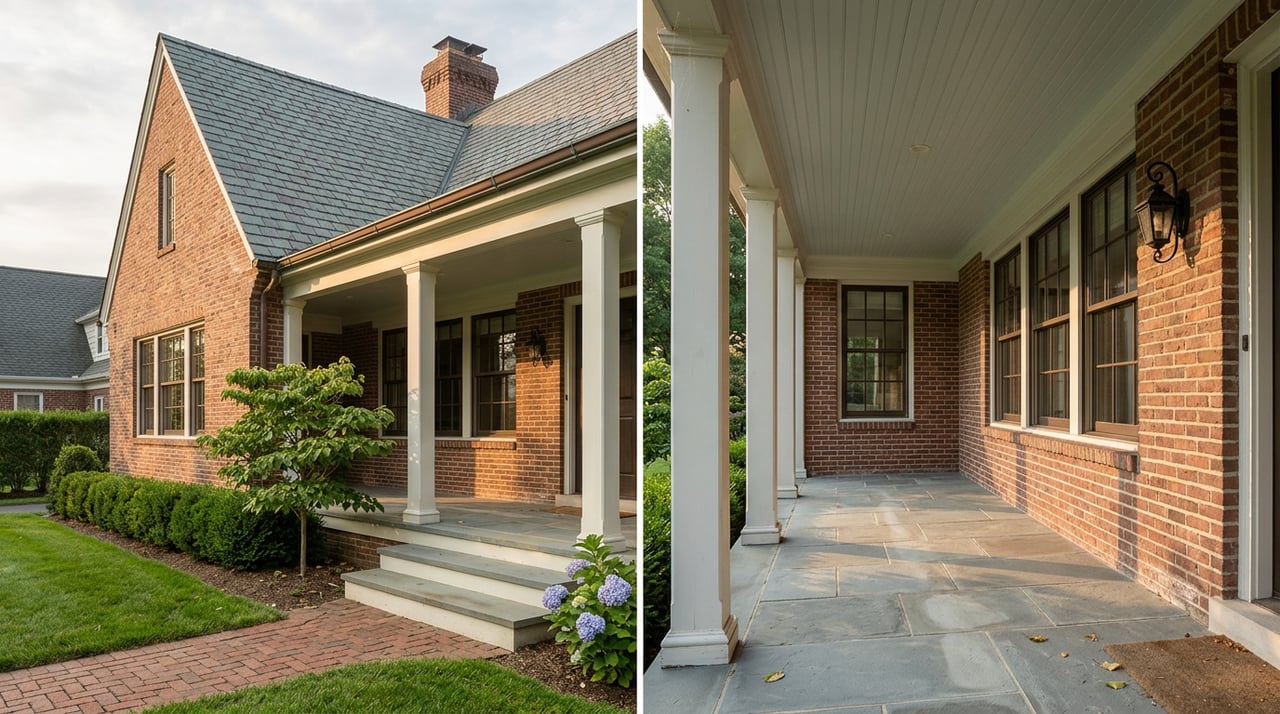
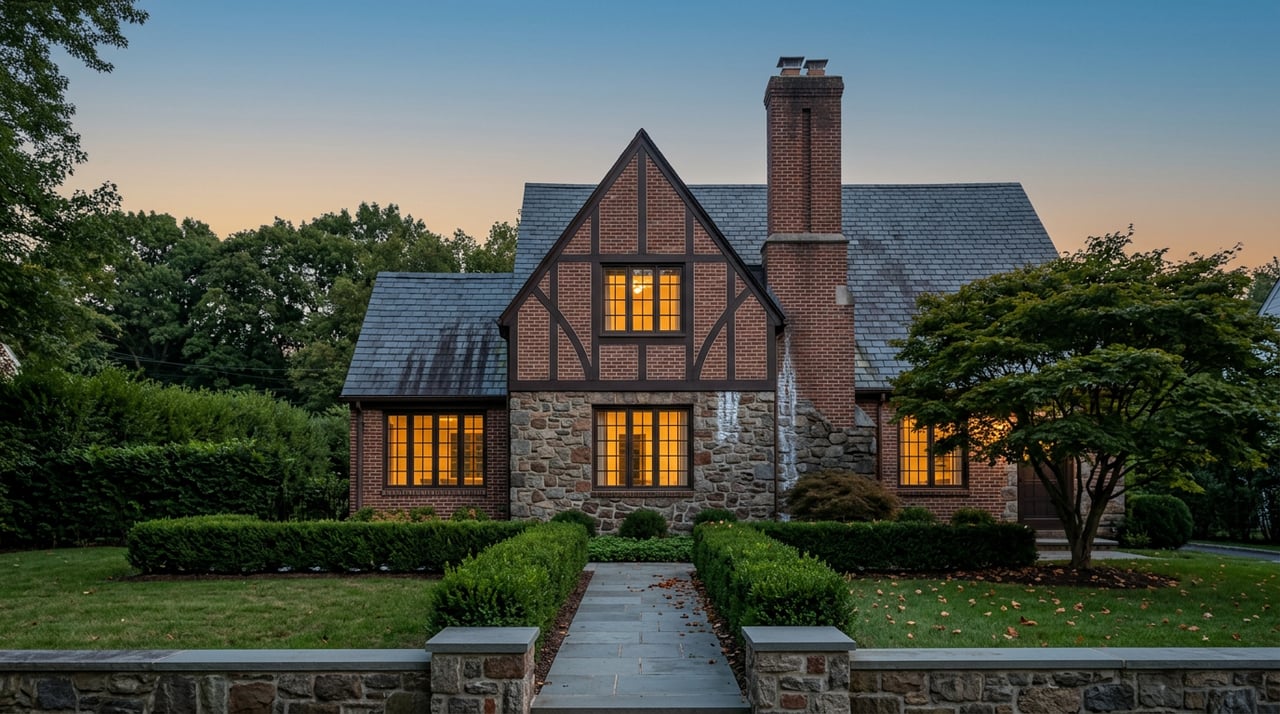
Essex Fells is not a one-style market. Official materials and architecture references point to a mix that includes Colonial, Tudor Revival, French Provincial, and shingle-inspired estate forms.
That range gives buyers several paths depending on taste. You may be drawn to symmetry and traditional detailing, or you may prefer a more private, inward-looking layout on a wooded lot. Either way, the style of the home often affects renovation complexity, exterior maintenance, and the kind of specialists you may need for updates.
When touring estate homes, ask yourself a few practical questions. Is the layout aligned with how you live now? Will the scale of the home and grounds feel energizing or overwhelming a few years from now?
It also helps to separate cosmetic updates from more structural or site-related work. A home can look polished in photos while still requiring careful review of drainage, utility lines, or exterior limitations tied to the lot.
A smart estate-home purchase is not only about what you love today. It is also about how the property is likely to perform when your needs change.
Essex Fells appears to be a high-income, owner-occupied market with a strong share of detached housing and long-term residential stability. That kind of setting often supports buyers who value privacy, space, and established neighborhood character, but resale still depends on how well the home’s condition, carrying costs, and lot utility align with future buyer expectations.
As you compare homes, consider:
This kind of thinking helps you avoid overbuying for features that may be expensive to maintain but difficult to recover later.
If schools are part of your decision, it helps to look at the factual structure of the local districts. Essex Fells Borough School District serves pre-K through 6th grade, and West Essex Regional School District serves grades 7 through 12 for Essex Fells, Fairfield, North Caldwell, and Roseland.
The 2023-24 district report lists 248 students in the borough district, and the borough school website describes Essex Fells School as a small public elementary school with about 260 students. The same NJDOE report shows a districtwide chronic absenteeism rate of 3.1%, which was below the district’s 13.7% ESSA target.
In a market like Essex Fells, due diligence works best when it is layered. A general home inspection is important, but estate homes often call for a broader review tied to age, lot conditions, and your intended use of the property.
You may need to evaluate not just the house, but also the site, drainage, service lines, and any municipal constraints that could affect renovation plans. The goal is not to overcomplicate the purchase. It is to make sure your excitement stays grounded in the realities of ownership.
Before or shortly after an accepted offer, consider confirming:
For some estate-home buyers, assessed value is worth reviewing early in the ownership plan. New Jersey’s Division of Taxation says property tax appeals are generally due by April 1, and properties with assessments over $1,000,000 may also be appealed directly to the State Tax Court. In revaluation or reassessment municipalities, the deadline is May 1.
That does not mean every buyer should expect an appeal. It does mean that in a higher-value market, assessment strategy may be part of your larger financial planning rather than an afterthought.
Essex Fells is a discreet market with limited lot supply, older homes, and meaningful municipal rules tied to site work and property changes. Buying well here requires more than finding a beautiful home. It requires understanding how the home, the land, and the local regulations work together.
That is where local market fluency becomes especially valuable. When you can weigh architecture, carrying costs, privacy, and future flexibility at the same time, you are much more likely to make a purchase that feels right now and later.
If you are considering an estate home in Essex Fells and want a polished, data-driven buying strategy, connect with The Wright Group for tailored guidance across Essex County.
Stay up to date on the latest real estate trends.
Your Seasonal Home Maintenance Checklist in Montclair, NJ, for a Market-Ready Home.
A Local Guide to Common Home Seller Mistakes in Montclair, NJ.
Trusted, local Listing Specialists who will help you achieve your real estate goals and tell your home's story like no one else can. The Wright Group will MAXIMIZE your home's equity with unrivaled storytelling power and exceptional sales expertise!