Why Roseland NJ Is Essex County’s Hidden Gem
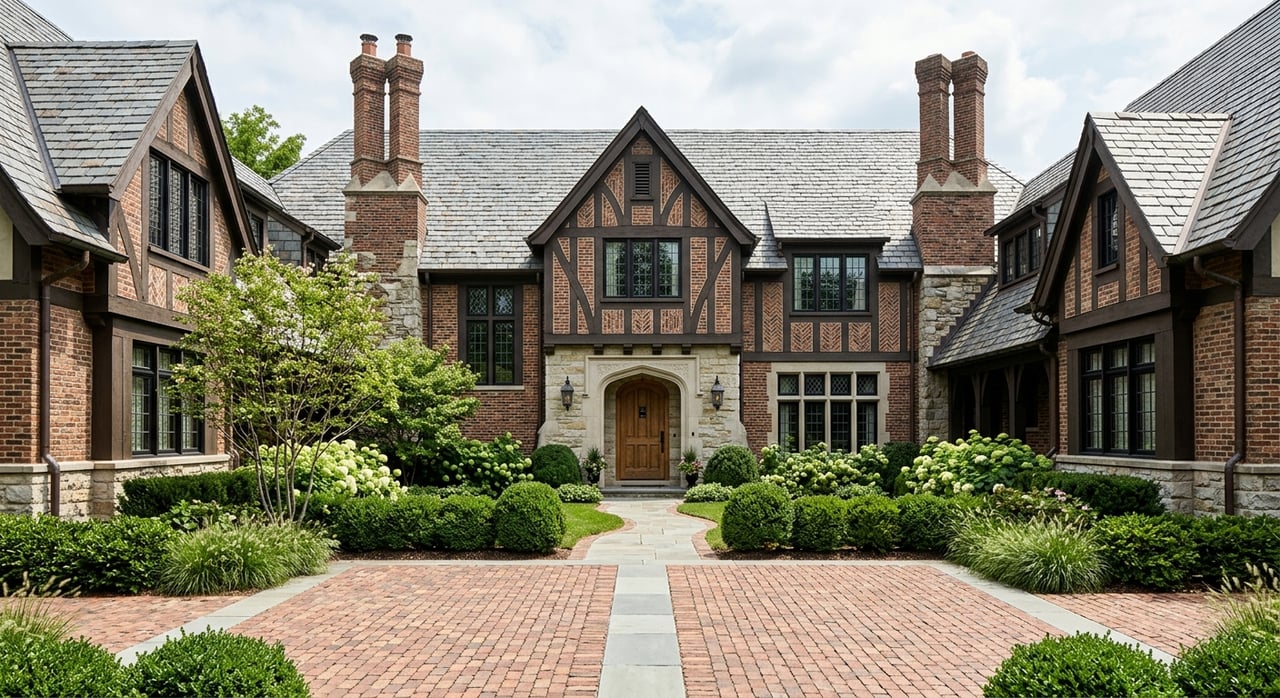
If you want an Essex County address with a calmer feel, practical commuting access, and an established residential setting, Roseland deserves a closer look. This small borough often flies under the radar, yet it offers a steady, lived-in character that appeals to buyers who want convenience without a busy downtown atmosphere. Whether you are relocating, rightsizing, or simply comparing Essex County towns, understanding what sets Roseland apart can help you make a smarter move. Let’s dive in.
Roseland is a small borough of about 3.5 square miles in northwestern Essex County, near the Morris County border. According to the borough’s master plan, it is largely built out, with limited remaining vacant land and a residential pattern shaped mostly by single-family detached and attached housing.
That built-out feel matters. In a region where some towns are defined by larger downtown districts or more visible commercial corridors, Roseland feels more centered on residential streets, with commercial activity concentrated in two business nodes and office development along Livingston Avenue and Eisenhower Parkway.
For many buyers, that translates into a quieter day-to-day experience. You are not choosing Roseland for constant activity or rapid new subdivision growth. You are choosing it for stability, established neighborhoods, and a location that still keeps you connected to the rest of Essex County and the broader Newark, NJ-PA metro area.
The latest U.S. Census QuickFacts estimate Roseland’s population at 6,370, with 2,445 households. The same source reports an 81.3% owner-occupied housing rate, a median owner-occupied home value of $640,600, and a median household income of $160,644.
These numbers point to a borough with a mature and stable housing base. Roseland also has a notable share of older residents, with 23.2% of the population age 65 or older, which supports its reputation as a place that may appeal to downsizers and long-term homeowners looking for a more manageable lifestyle.
The mean travel time to work is 31.7 minutes, which fits Roseland’s identity as a commuter-friendly location rather than a remote suburb. If your goal is to balance accessibility with a more low-key home base, Roseland checks that box well.
One of Roseland’s biggest advantages is straightforward regional access. Interstate 280 runs east-west through the borough, making it easy to connect with surrounding Essex County towns and other parts of North Jersey, according to the Roseland master plan.
Public transit is part of the picture too. The same borough planning document notes NJ Transit Route 71 stops in the Roseland corridor, including Eagle Rock Ave + Roseland Ave and Bloomfield Ave at Roseland Ave. For commuters who want options beyond driving, that practical bus access adds flexibility.
Roseland also has a meaningful employment presence close to home. The borough’s official history page notes that the former Becker Farm land became the center of several large corporate office complexes, while office development continues to define parts of Livingston Avenue and Eisenhower Parkway. ADP also lists 1 ADP Blvd., Roseland, NJ 07068 as its corporate headquarters address.
That mix of highway access, bus connectivity, and nearby office concentration helps explain Roseland’s appeal to professionals who want a more residential setting without giving up convenience.
Roseland’s lifestyle is not built around a major downtown scene. Instead, it is shaped by local parks, recreation spaces, and everyday amenities that make the borough feel easy to live in.
The borough lists four local parks on its Borough Parks page: Harrison Complex, Monument Park, Bond Force Memorial Park, and Tedesco Park. It also highlights assets like Fernwood Field and the Harrison Avenue pickleball and tennis court, giving residents accessible places for outdoor time and recreation.
For nature-oriented amenities, the Essex County Environmental Center is located in Roseland at 621-B Eagle Rock Avenue. Essex County describes it as an environmental education center with trails open from dawn to dusk, public programs, room rentals, and canoeing-related programming.
Camp Wyanokie is another useful local reference point. The county says Roseland is one of five towns that share this 150-acre forested camp, which includes a five-acre lake and is used for camping, hiking, picnicking, and nature exploration.
Altogether, these amenities support a lifestyle that feels grounded and unfussy. If your idea of a good location includes green space, recreation, and a calmer residential pace, Roseland has a strong case.
Roseland’s demographics help explain why senior-friendly services are an important part of the local story. With nearly a quarter of residents age 65 or older, practical mobility support can make a real difference in everyday life.
The borough’s senior transportation page states that residents can use a free senior citizen bus to grocery stores in Caldwell and West Caldwell, along with local stores and malls. For older adults and families planning ahead, that is a meaningful quality-of-life feature.
This does not define Roseland exclusively as a downsizer market, but it does make the borough more versatile. Buyers looking for a town that can support different life stages may find that especially appealing.
Roseland’s housing story is about established residential fabric, not large-scale greenfield development. The master plan emphasizes preserving residential character, protecting neighborhoods from non-residential traffic, and maintaining a mix of housing types.
In practical terms, you should expect a housing stock shaped primarily by detached and attached homes in a mature suburban setting. Because the borough is largely built out, buyers are generally looking at an existing community rather than a place defined by broad new-home expansion.
That said, the same planning document notes that several office sites on Becker Farm Road and Livingston Avenue have been redeveloped, or are being redeveloped, for inclusionary housing. This suggests some newer multifamily or mixed-housing options alongside Roseland’s more traditional detached-home base.
For buyers, that can create a useful range of choices. Depending on your goals, Roseland may offer opportunities that fit a move-up purchase, a lower-maintenance lifestyle, or a downsizing transition.
Roseland tends to make the most sense for buyers who value convenience, predictability, and an established setting. If you want immediate access to a large downtown core or a town defined by rapid growth, Roseland may not be the match.
But if you are a professional who wants highway access and a quieter residential base, Roseland stands out. The borough also makes sense for downsizers or long-term planners who appreciate owner-occupied streets, municipal services, and a housing landscape that feels settled rather than constantly changing.
This is part of what makes Roseland a quiet commuter gem. It is not trying to be the loudest or trendiest market in Essex County. Its appeal is more subtle and, for the right buyer, more durable.
In a town like Roseland, the details matter. Because the borough is small and built out, inventory can feel more nuanced than in larger markets, and the differences between housing types, locations, and redevelopment pockets can shape both value and lifestyle.
That is where hyperlocal guidance becomes especially useful. When you understand not just the listing, but also the borough’s planning framework, commuter setup, and day-to-day rhythm, you can evaluate Roseland with much more confidence.
If you are considering a move in Roseland or anywhere in Essex County, The Wright Group can help you navigate the market with a polished, data-driven approach and local insight tailored to your goals.
Stay up to date on the latest real estate trends.

How Sellers Can Leverage the Amenities and Landmarks in Montclair.
Seller Strategies for Attracting a Winning Offer in Montclair.
Trusted, local Listing Specialists who will help you achieve your real estate goals and tell your home's story like no one else can. The Wright Group will MAXIMIZE your home's equity with unrivaled storytelling power and exceptional sales expertise!