Explore the South Orange, NJ Neighborhood Guide
South Orange is one of Essex County’s most distinctive suburban villages, known for its historic character, walkable downtown, direct train access, gaslight charm, Seton Hall University, and attractive residential neighborhoods. The village sits near Maplewood, West Orange, Orange, and Newark, giving residents a rare mix of leafy suburban streets, cultural energy, and strong regional connectivity.
For real estate buyers, South Orange stands out because it offers more than a quiet place to live. The community has a real village center, two NJ TRANSIT rail stations, a strong arts presence anchored by SOPAC, access to South Mountain Reservation, and a full public school pathway through the South Orange & Maplewood School District. Buyers can choose from historic homes, renovated Colonials, Tudors, Victorians, townhomes, condos, and larger properties in established residential pockets.
This guide covers South Orange’s history, lifestyle, real estate market, schools, transportation, things to do, amenities, residential settings, and investment potential. It is designed to help buyers, sellers, and relocating households understand why South Orange remains one of the most desirable communities in the New Jersey suburbs near New York City.
| Key Facts: South Orange, NJ | |
|---|---|
| County | Essex County |
| Community Type | Historic suburban village with a walkable downtown, rail access, university presence, and established residential neighborhoods |
| Location | Western Essex County, near Maplewood, West Orange, Orange, Newark, Millburn, and Montclair |
| Population | Approximately 18,474 residents based on ACS 2024 5-year data |
| Area | About 2.8 square miles |
| ZIP Code | 07079 |
| Local Character | Historic, commuter-friendly, diverse, arts-oriented, walkable near the village center, and known for distinctive older homes |
| Primary Roads | South Orange Avenue, Valley Street, Scotland Road, Ridgewood Road, Wyoming Avenue, Irvington Avenue, and North Ridgewood Road |
| Rail Access | South Orange Station and Mountain Station on NJ TRANSIT’s Morris & Essex service corridor |
| Park Access | South Mountain Reservation, Meadowland Park, Cameron Field, Grove Park, and nearby Maplewood and West Orange recreation areas |
| School Options | South Orange & Maplewood School District, with neighborhood elementary schools, South Orange Middle School, and Columbia High School |
| Market Profile | Competitive suburban market with historic homes, commuter appeal, limited inventory, and strong demand for updated properties near transit and schools |
South Orange Lifestyle Snapshot
An editorial snapshot of the village’s strongest lifestyle attributes, not a statistical ranking.
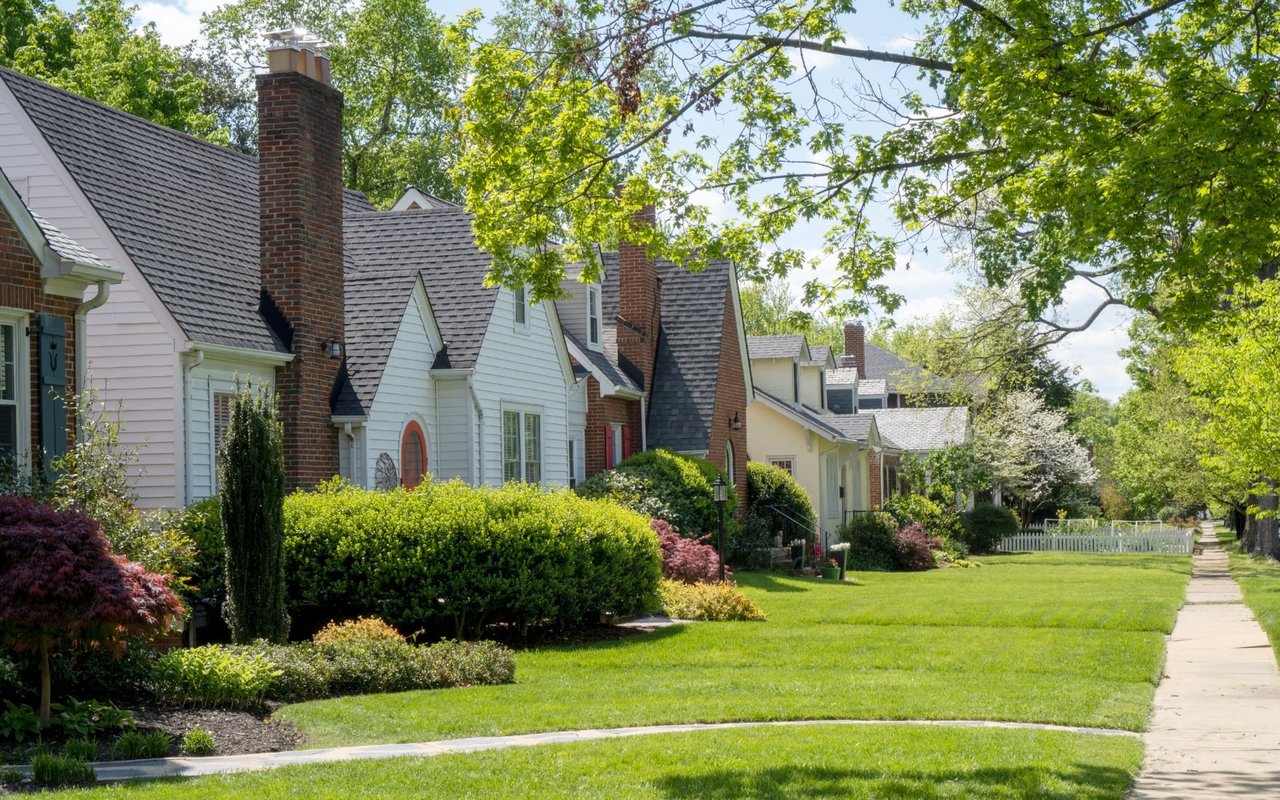
South Orange has a stronger sense of place than many suburban towns because its identity is built around a true village center. The downtown area near South Orange Station includes restaurants, shops, services, community events, and cultural venues, creating an active local core that residents can use without leaving town. At the same time, many residential streets quickly shift into a quieter setting with historic homes, mature trees, sidewalks, and architectural variety.
The village is especially appealing to buyers who want a suburban home without feeling disconnected from culture and transit. South Orange offers direct regional rail access, a walkable downtown, Seton Hall University’s campus energy, and proximity to South Mountain Reservation. This creates a layered lifestyle where commuters, families, academics, artists, and long-term homeowners share the same small-town map.
Real estate demand is supported by several durable factors. Buyers value the train stations, the school district, the historic housing stock, the proximity to Maplewood and Montclair, and the ability to reach Newark and New York City without giving up a neighborhood setting. South Orange is not the lowest-cost option in Essex County, but it often appeals to buyers who are comparing lifestyle depth, commute convenience, and long-term resale strength.
South Orange is best for buyers who want historic architecture, rail access, a real downtown, strong cultural amenities, and a residential setting with more personality than a typical commuter suburb.
South Orange’s history reaches back to the earliest colonial settlement patterns in northern New Jersey. The area was connected to the Newark settlement of the 1600s, with families moving westward toward the Orange Mountains for farmland and open land. Over time, transportation routes, farming, church life, and later rail access helped South Orange grow from a rural settlement into a refined suburban village.
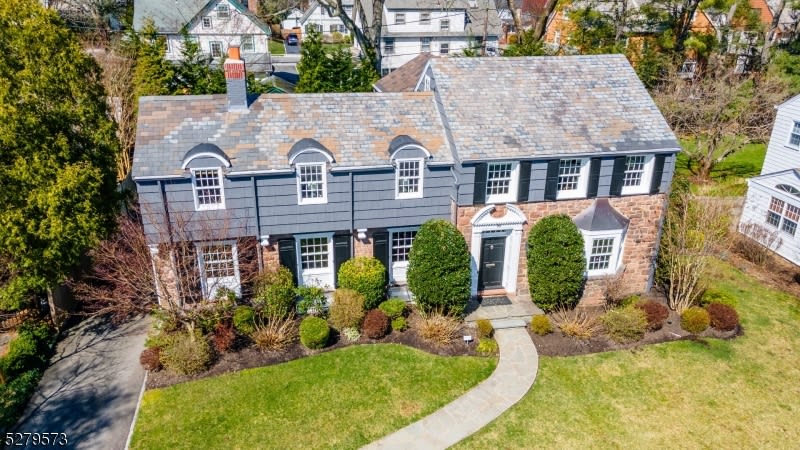
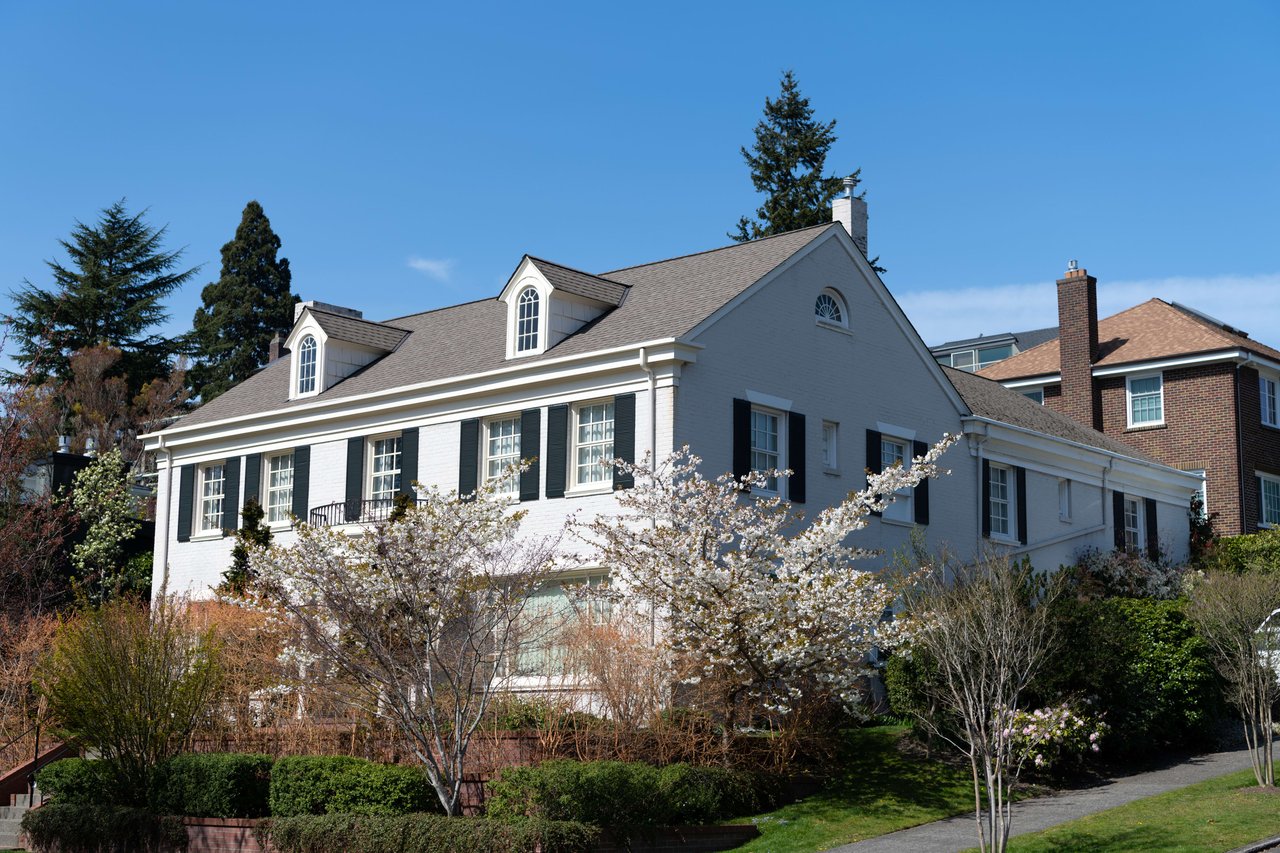
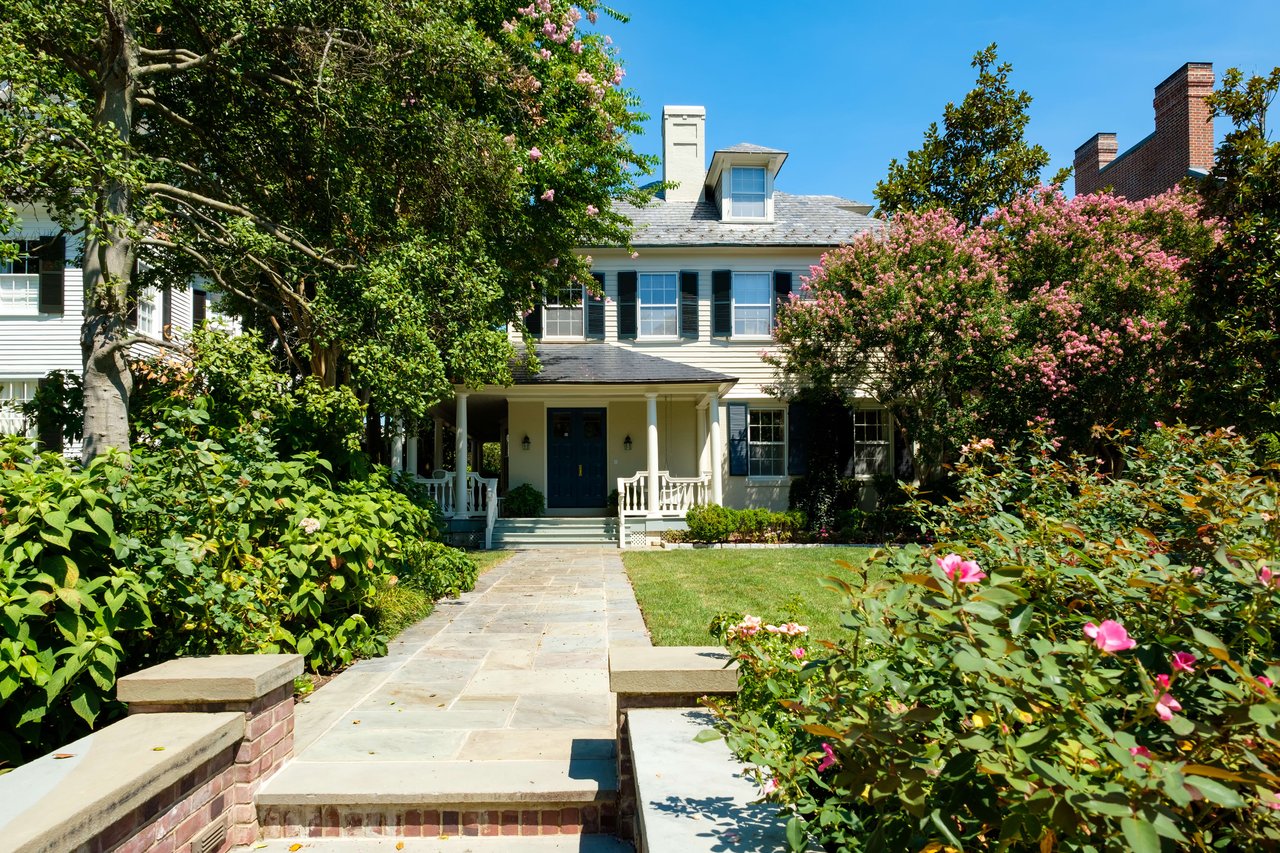
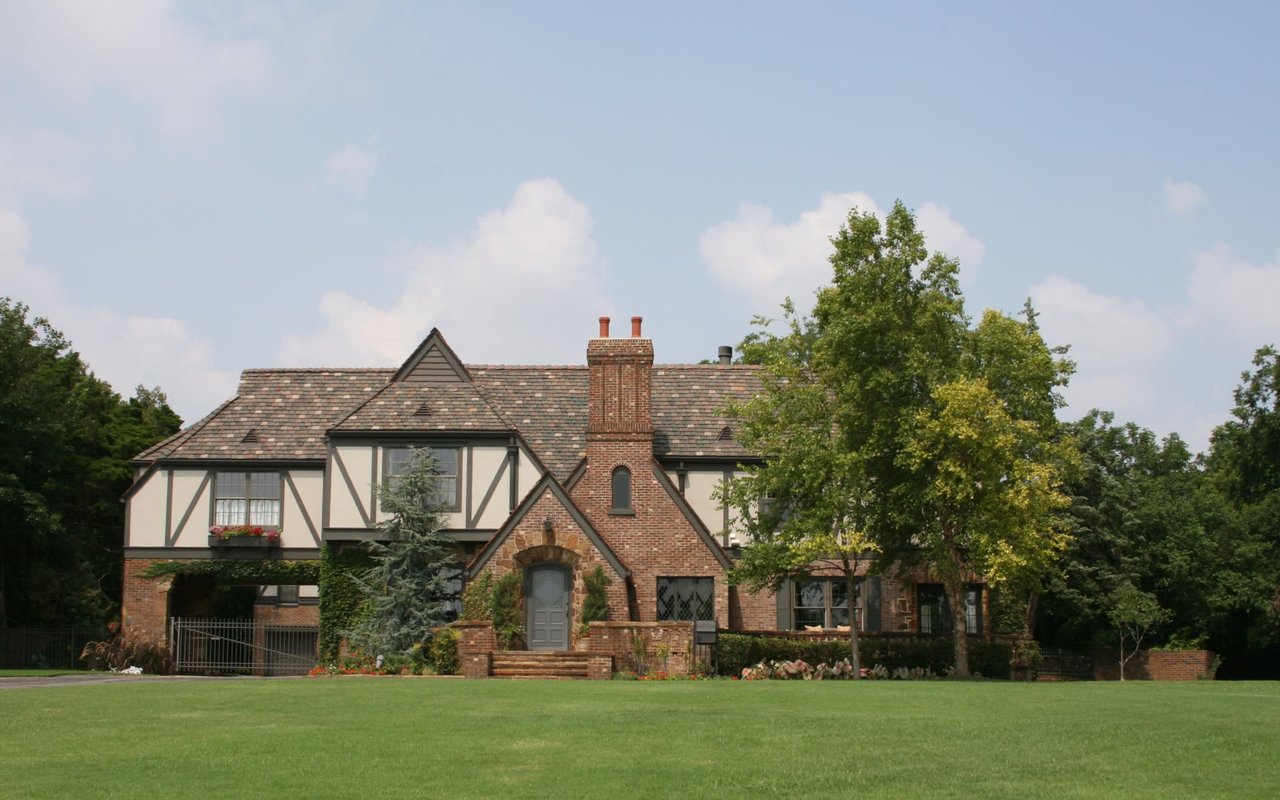
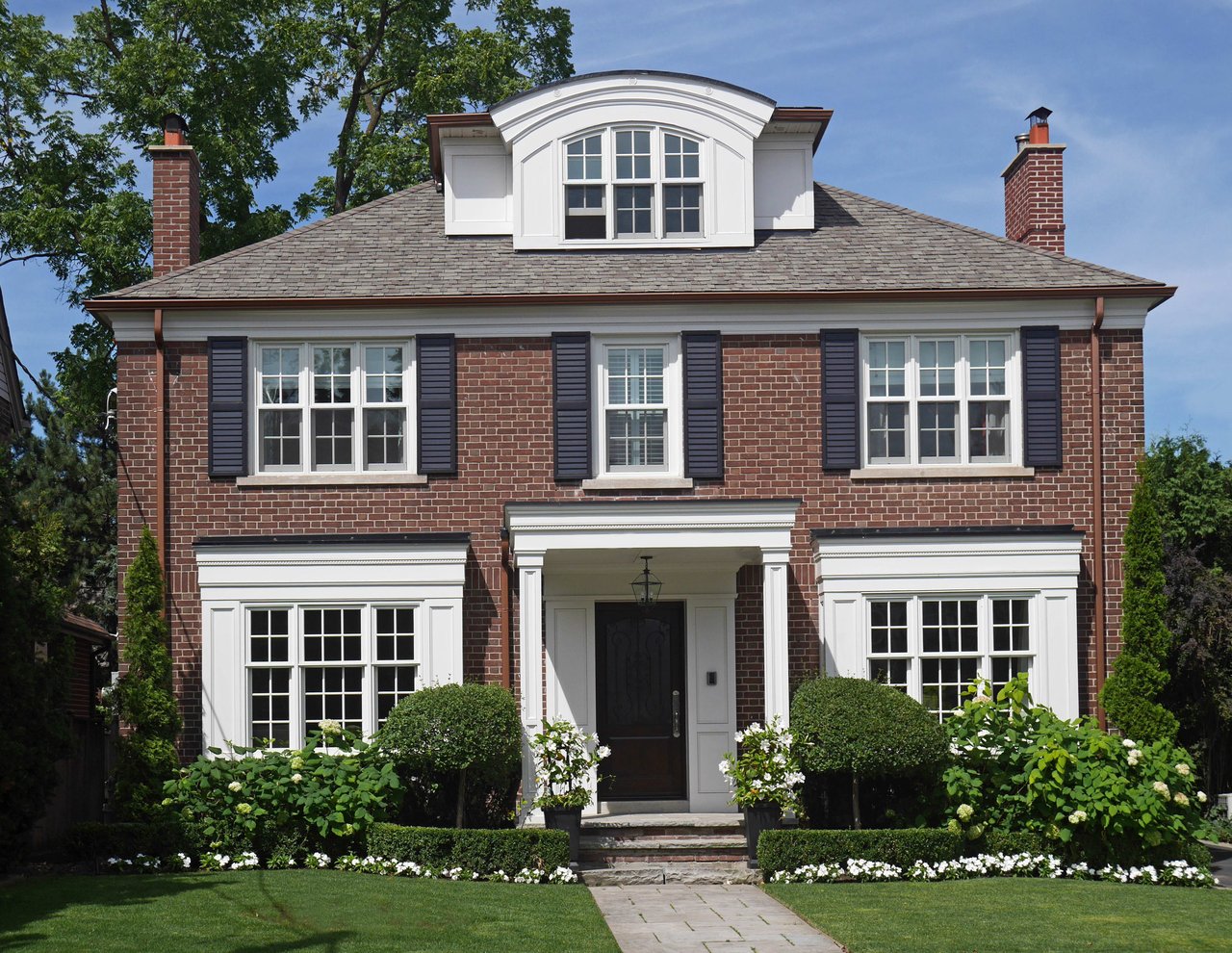
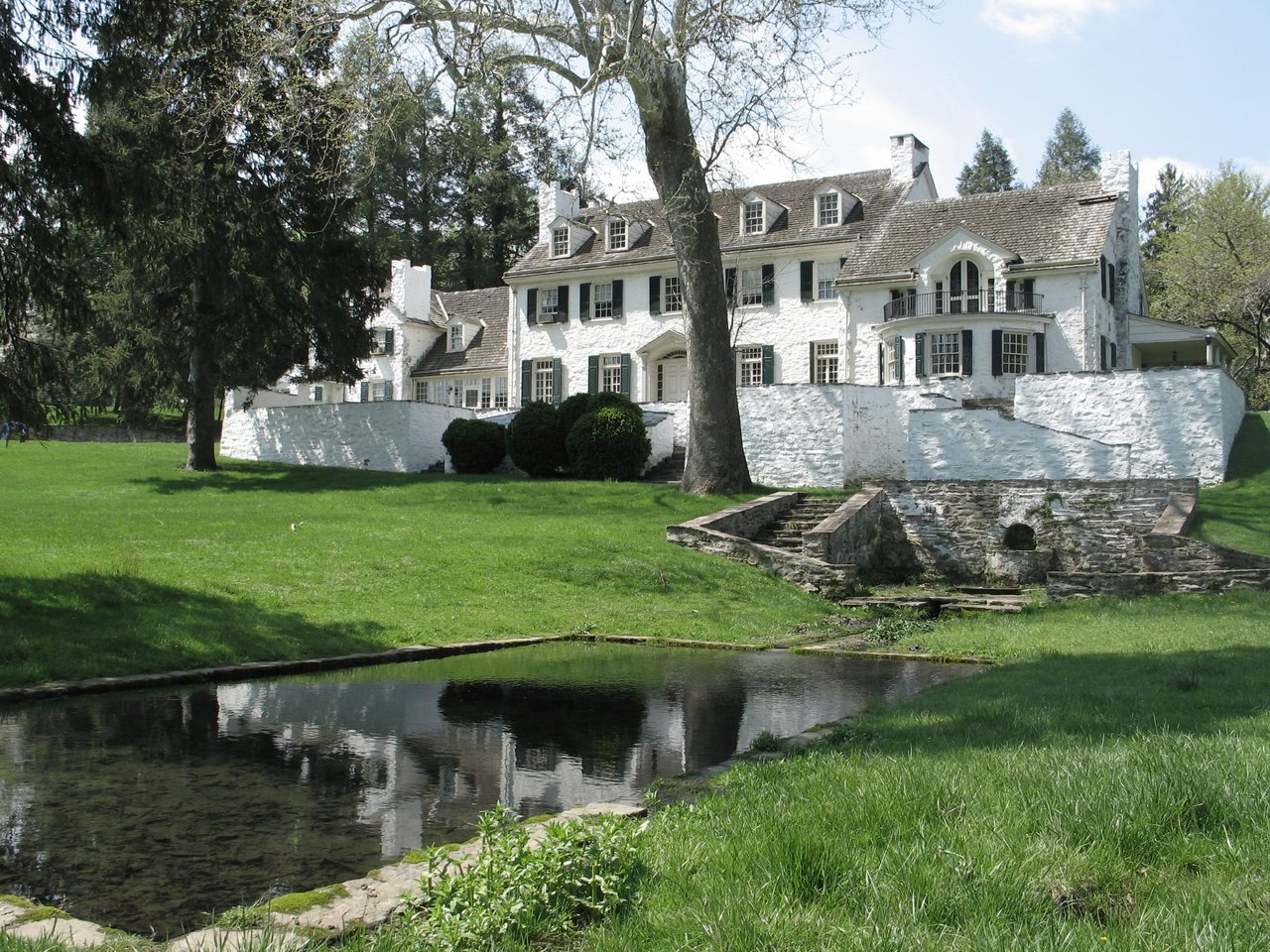
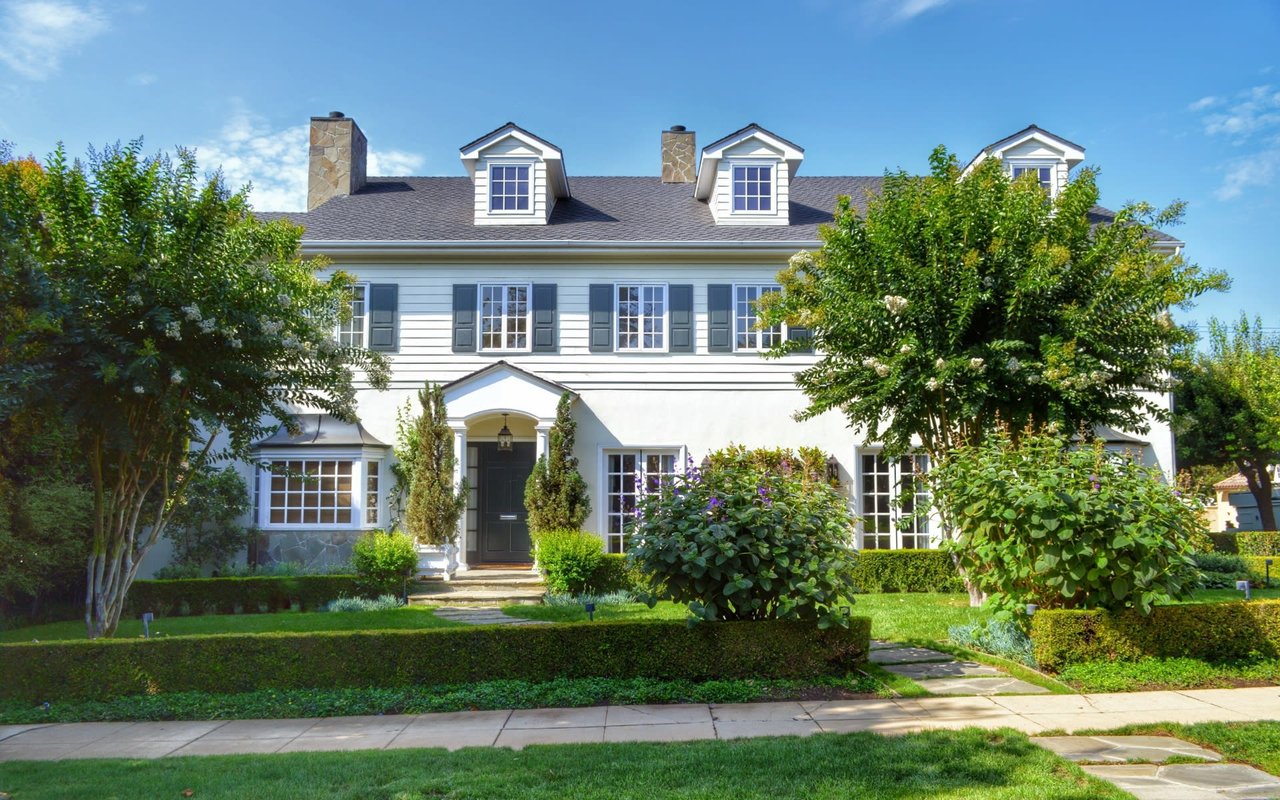
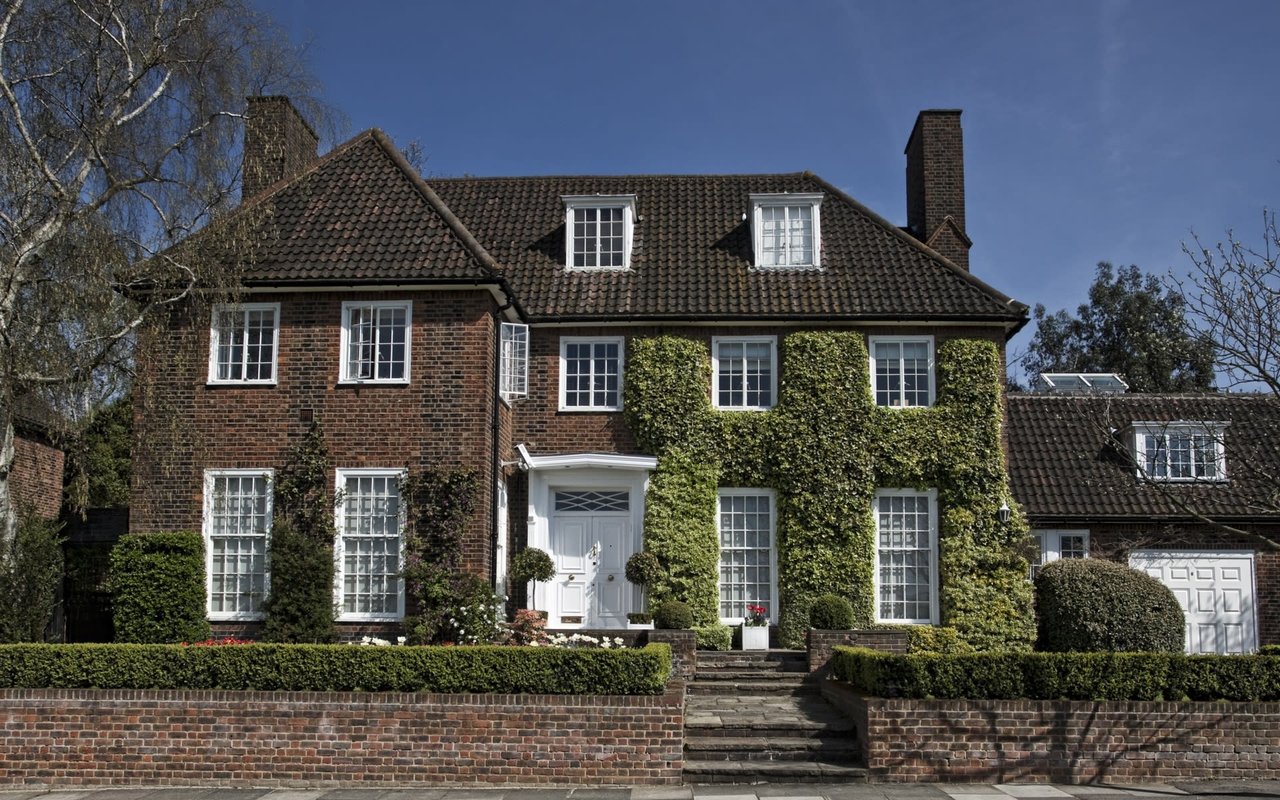
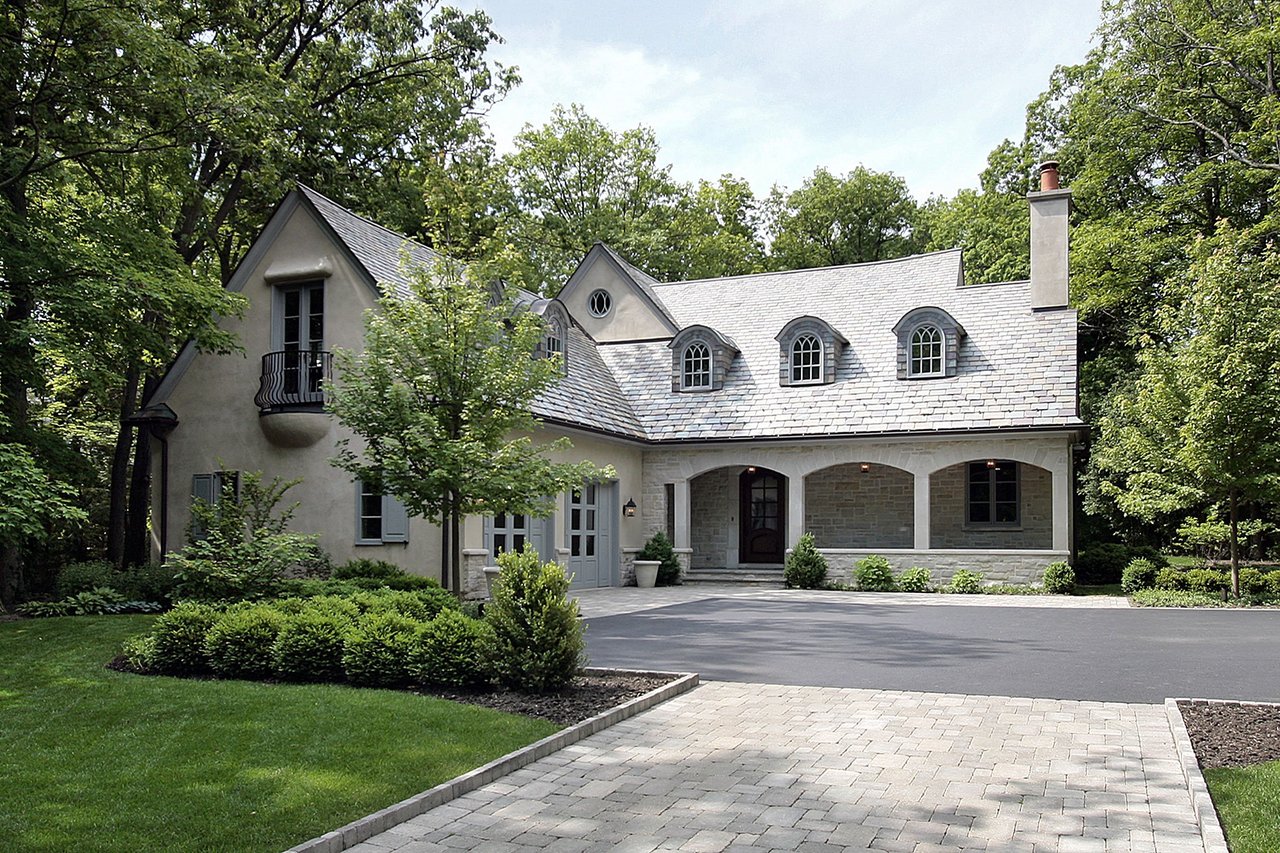
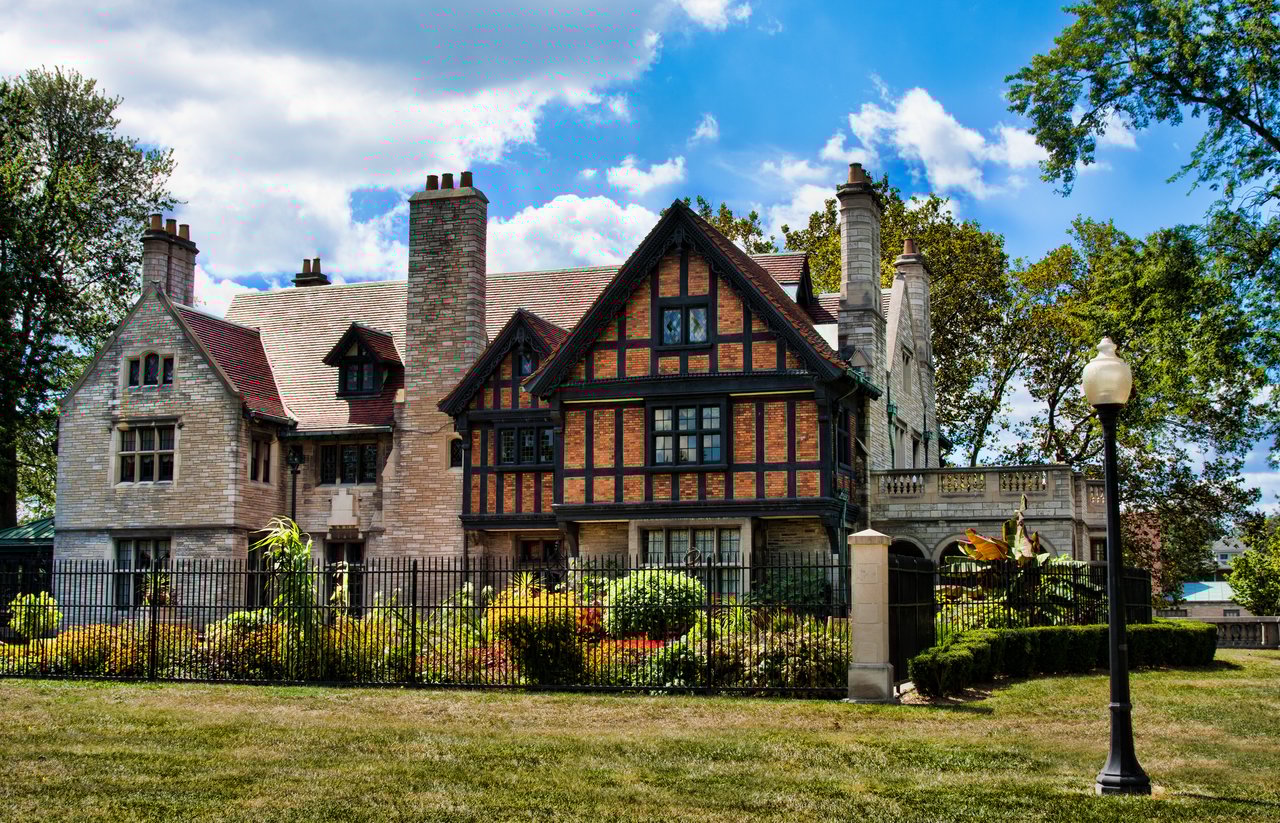
The village’s historic character is still visible in its streets and homes. South Orange has long been associated with distinctive older architecture, including Victorians, Colonials, Tudors, Queen Anne homes, and early 20th-century residences. Some streets have a strong historic district feel, while others blend older homes with thoughtful renovations and newer construction. For buyers, that means the local market is not just about square footage. Architectural integrity, street character, and renovation quality can carry real value.
South Orange is also known for its historic gaslights, which add to the village’s signature evening atmosphere. Combined with its train station, downtown buildings, university presence, and arts venues, the gaslights help create a sense of continuity between the village’s past and present. This history is part of the reason many residents describe South Orange as a place with character rather than just convenience.
South Orange’s heritage is one of its strongest real estate assets. Historic homes, gaslit streets, rail-era architecture, and a long-standing village center give the community a recognizable identity that newer suburbs cannot easily duplicate.
South Orange is well-positioned for buyers who need access to New York City, Newark, Jersey City, Hoboken, and nearby Essex County employment centers. South Orange Station sits in the heart of the village center, while Mountain Station serves the northern side of town near Montrose Avenue and Vose Avenue. This two-station setup gives residents more flexibility than many neighboring communities.
Most households still use a car for errands, school activities, sports, and shopping, but rail access is one of the village’s biggest lifestyle advantages. Buyers should compare walk time to the station, parking options, train frequency, and whether they need Midtown, Hoboken, Newark, or PATH connections. A home near South Orange Avenue may feel more connected to transit and restaurants, while a hillier residential setting may offer more privacy and architectural character.
| Destination | Approximate Distance / Time | Route / Notes |
|---|---|---|
| South Orange Station | In the village center | NJ TRANSIT rail access at 17 Sloan Street, close to downtown shops, dining, SOPAC, and Seton Hall |
| Mountain Station | North side of town | NJ TRANSIT station near Meeker Avenue, Montrose Avenue, Vose Avenue, and residential neighborhoods |
| Downtown Maplewood | 2–4 miles / 6–12 min | Local roads including Valley Street, Ridgewood Road, and surrounding neighborhood routes |
| Downtown Montclair | 7–10 miles / 18–30 min | Popular for dining, arts, shopping, and additional rail access |
| Newark | 6–9 miles / 15–30 min | Useful for employment, universities, hospitals, entertainment, and Newark Penn Station connections |
| Newark Liberty International Airport | 10–15 miles / 20–40 min | Travel time varies by local traffic, I-78, I-280, Garden State Parkway, and airport congestion |
| New York City | About 18–22 miles / 35–75+ min | Rail, bus, driving, or a combined route; actual timing depends on station, transfer, traffic, and destination |
| South Mountain Reservation | Nearby / 5–15 min from many addresses | Access to hiking, wooded trails, scenic overlooks, and regional recreation along the village’s western edge |
Commute due diligence is especially important in South Orange because lifestyle can change block by block. A buyer who wants to walk to the train should measure the actual route, not just distance on a map. A buyer who wants quiet should consider traffic patterns near South Orange Avenue, Valley Street, Irvington Avenue, and school pickup areas. The best fit often depends on how the home’s location supports daily routines.
South Orange is a competitive real estate market because it combines rail access, historic homes, a walkable downtown, and a highly sought-after Essex County location. The buyer pool often includes New York City-area commuters, local move-up buyers, relocating families, university-connected households, and buyers comparing South Orange with Maplewood, Montclair, Glen Ridge, West Orange, and Millburn.
Zillow’s April 2026 data showed an average South Orange home value of approximately $1.08 million, up about 5.9% year over year, with a median list price near $992,833 and 35 homes in for-sale inventory. Redfin’s 07079 market snapshot showed a median sale price near $999,000 over the prior three months, with the ZIP code described as highly competitive. Because South Orange has a mix of property types and a limited number of sales in any period, buyers should compare homes by condition, street, walkability, lot quality, and renovation level rather than relying only on town-wide averages.
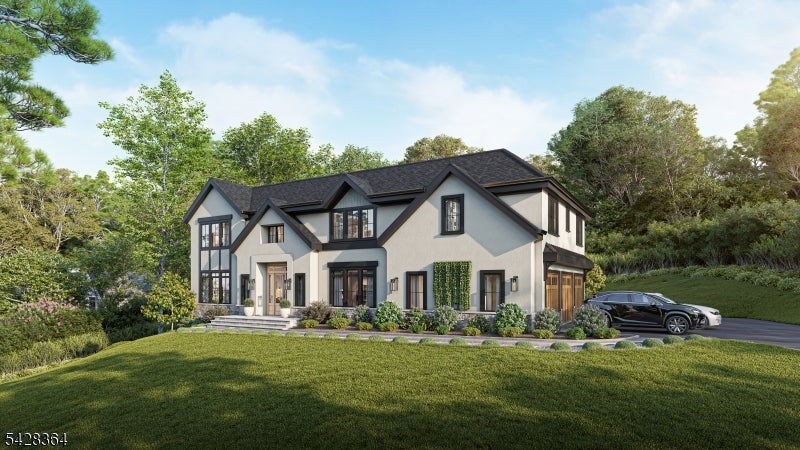
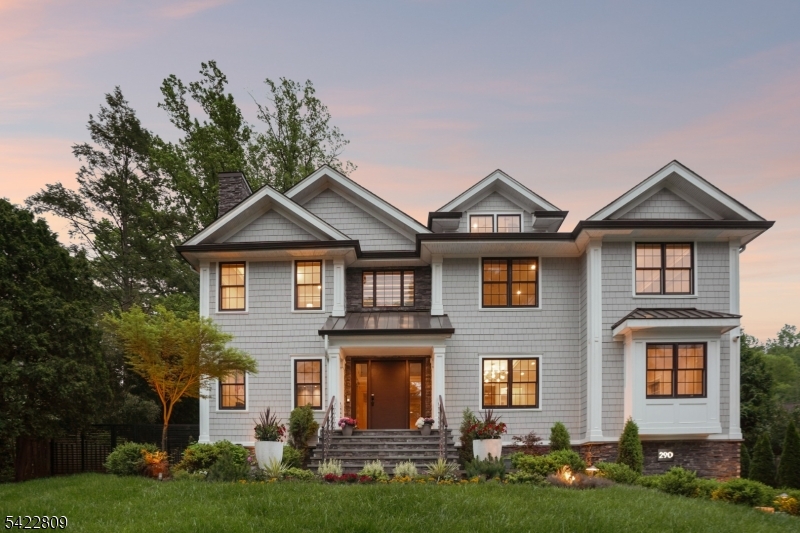
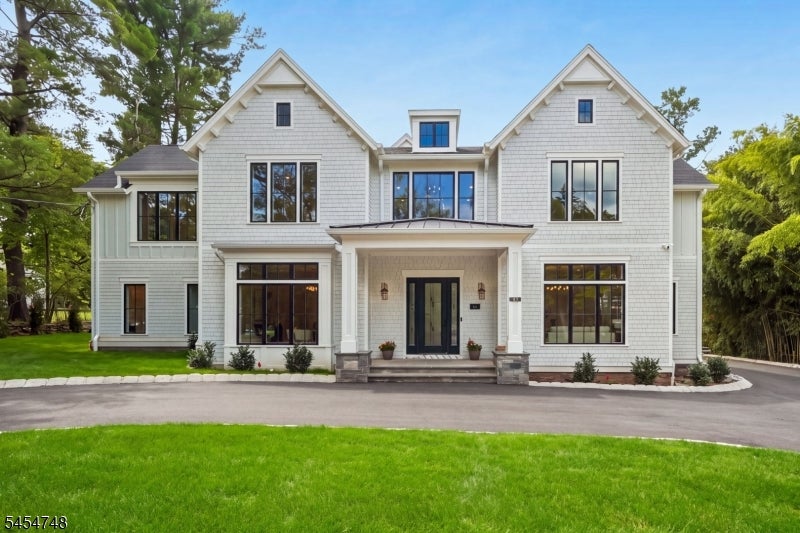
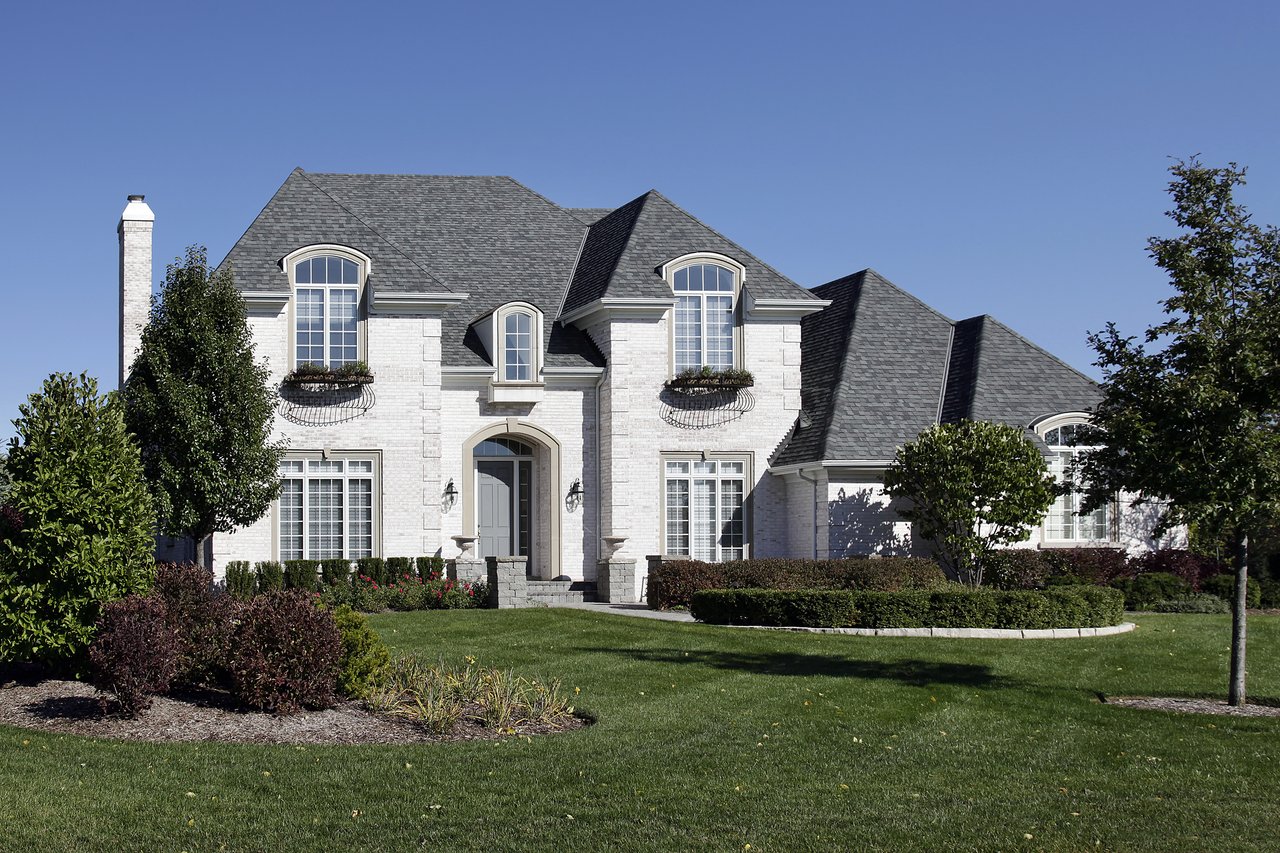
The strongest listings usually have a clear story. A renovated Colonial near the train, a historic home in Montrose Park, a larger Newstead property, or a lower-maintenance townhome near downtown will each appeal to a different buyer. Pricing is shaped by architecture, updates, parking, outdoor space, school logistics, station access, and whether the home has retained its original character while meeting modern expectations.
| Property Segment | Market Character | Buyer Consideration |
|---|---|---|
| Historic Single-Family Homes | Core of the South Orange market, with Victorians, Colonials, Tudors, Queen Anne homes, and early 20th-century architecture | Buyers should review roof, windows, electrical, plumbing, heating, cooling, drainage, and preservation-sensitive updates |
| Train-Proximate Homes | Highly desirable for commuters who want easier access to South Orange Station or Mountain Station | Walkability can command a premium, but buyers should consider traffic, parking, and noise near busier corridors |
| Renovated Colonials & Tudors | Strong demand because they combine classic South Orange character with modern kitchens, baths, systems, and floor plans | Move-in-ready condition can create strong competition, especially when the home is well-staged and located near amenities |
| Condos & Townhomes | Important for buyers seeking lower-maintenance ownership near downtown, transit, or Seton Hall | HOA fees, reserves, parking, pet rules, rental limits, and capital projects should be reviewed carefully |
| Larger Residential Properties | Found in pockets such as Newstead, Montrose Park, and hillside settings with more privacy or architectural presence | Lot shape, driveway slope, landscaping, retaining walls, and long-term exterior maintenance matter for ownership costs |
For sellers, South Orange listings benefit from strong lifestyle positioning. A home should not be marketed only by bedroom count. It should highlight station access, historic details, renovations, outdoor living, school proximity, downtown convenience, and nearby parks. For buyers, the best strategy is to separate emotional appeal from due diligence. Older homes can be beautiful, but inspections, permits, drainage, and renovation quality should be reviewed with care.
South Orange pricing is driven by character, commute value, and condition. Homes that preserve historic charm while offering modern systems, parking, and everyday convenience tend to stand out in the local market.
South Orange offers a lifestyle that feels both suburban and connected. Residents can walk to the train, meet friends downtown, attend a performance at SOPAC, visit Seton Hall events, hike near South Mountain Reservation, or head to Maplewood and Montclair for more restaurants and culture. This kind of layered access is one of the reasons the village remains attractive to buyers who want more than a quiet bedroom community.
The village also has a strong community rhythm. Downtown events, farmers markets, music programming, library activities, school events, youth sports, and university life all contribute to the local calendar. South Orange feels active without feeling fully urban, which makes it appealing to residents who want connection, diversity, and convenience while still living on residential streets with yards and trees.
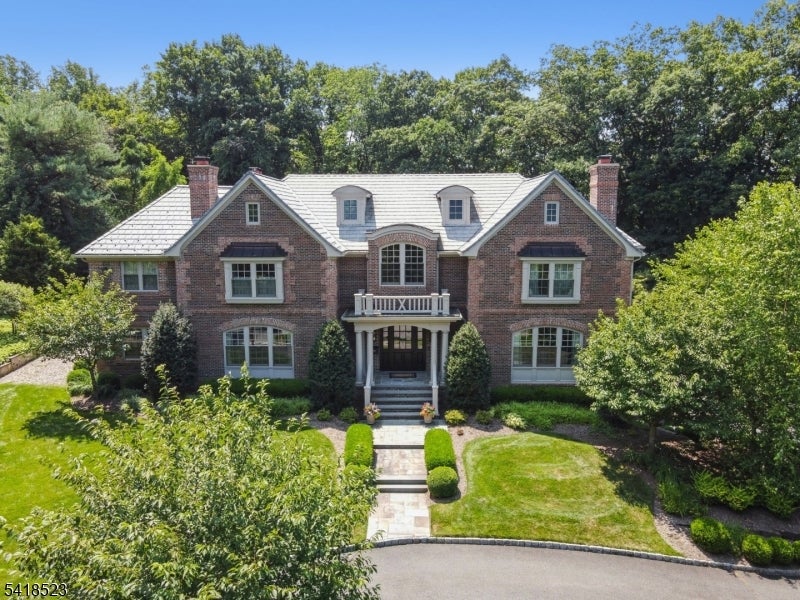
Homeowners who choose South Orange often value character. The streets do not feel uniform, and the housing stock includes older homes with architectural detail, deep porches, slate roofs, woodwork, and mature landscaping. That individuality gives the village a different feel from newer suburban developments where homes and streets can appear more standardized.
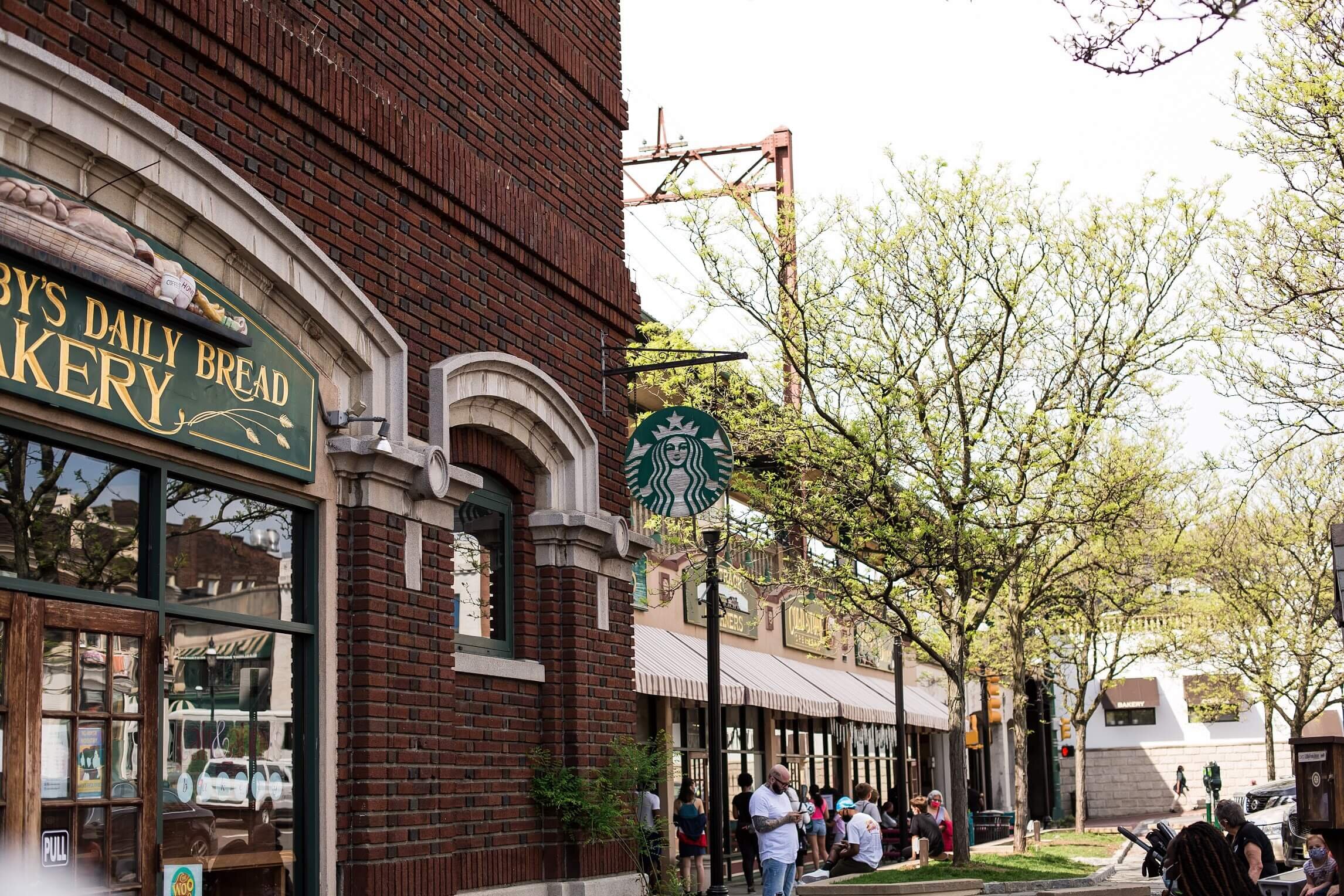
South Orange’s downtown gives residents restaurants, cafes, shops, services, events, the train station, and SOPAC in one walkable district.
The village is known for architecture with personality, including Colonials, Tudors, Victorians, and homes with detailed older craftsmanship.
South Orange Station and Mountain Station support commuting patterns that are central to the village’s value for many buyers.
Seton Hall University adds academic, cultural, athletic, and professional energy to the community without overwhelming the residential feel.
SOPAC, downtown programming, live music, film, and seasonal events give South Orange a stronger cultural profile than many small suburbs.
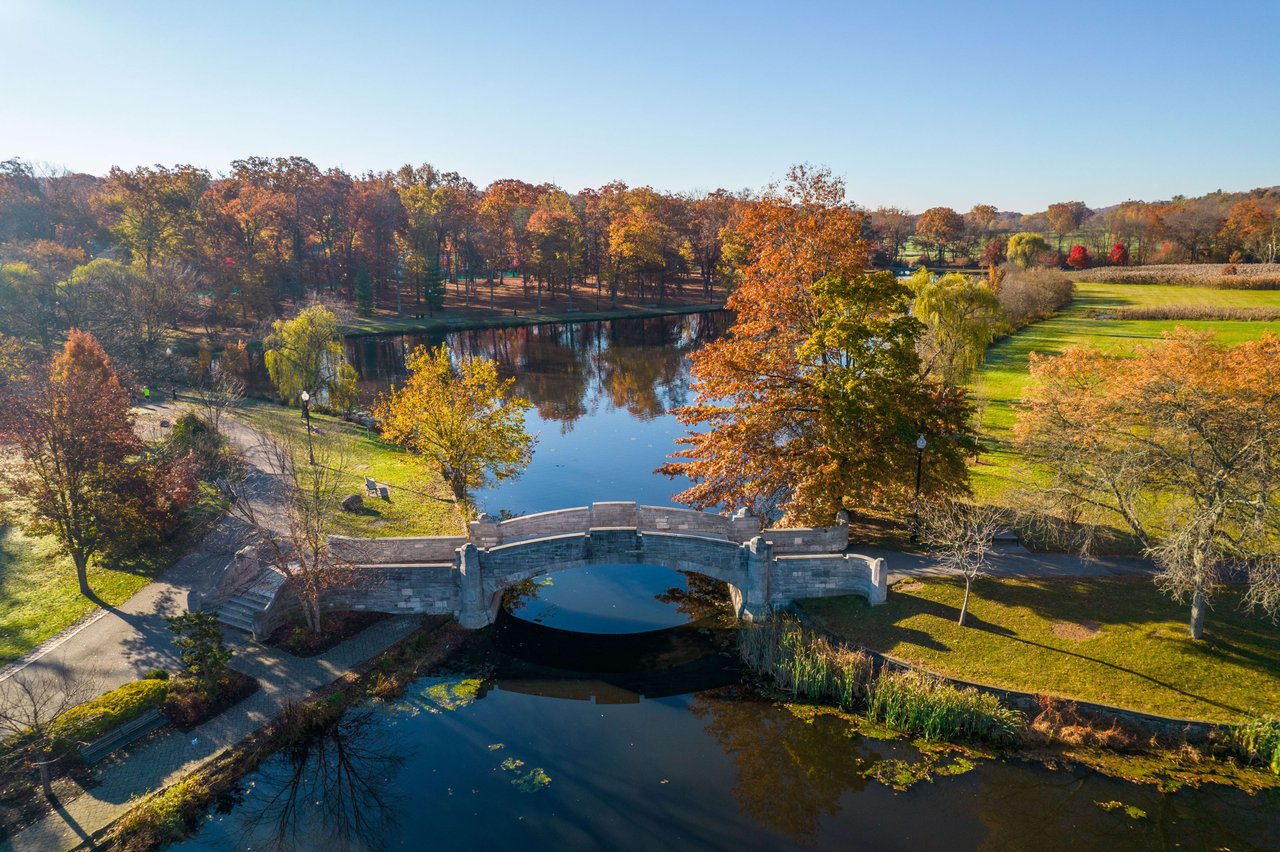
South Mountain Reservation, local parks, and nearby Maplewood recreation spaces give residents meaningful access to green space.
South Orange has a strong things-to-do profile because it combines local attractions with easy access to nearby Essex County destinations. Residents can stay in the village for dining, coffee, movies, performances, and community events, then reach South Mountain Reservation, Maplewood Village, Montclair, West Orange, and Newark for a wider range of recreation and entertainment.
Downtown South Orange is the most practical starting point. The village center includes restaurants, service businesses, arts venues, and events that help support daily life. South Orange Downtown describes the area as a mix of restaurants, retail, services, community events, and arts experiences, which matters for real estate because a lively downtown adds lifestyle value beyond the home itself.
South Orange Performing Arts Center is one of the village’s strongest cultural assets, hosting music, comedy, theater, film, community events, and rentals.
South Orange Avenue and Sloan Street offer restaurants, coffee, local shops, and easy access to the train station, making the village center useful day to day.
The nearby reservation covers more than 2,000 acres and offers wooded trails, scenic views, picnic areas, and access to major Essex County recreation.
The university brings lectures, athletics, campus events, and a collegiate atmosphere to South Orange, adding energy to the local community.
This local park is part of everyday life for many residents, with open space, walking areas, recreation fields, and community programming nearby.
Maplewood Village is close by and adds restaurants, shops, community events, and another strong downtown district for South Orange residents.
| Activity | Where to Go | Why Residents Like It |
|---|---|---|
| Performing Arts | SOPAC and Seton Hall events | Residents have access to live performances, film, music, lectures, and community programming close to home |
| Dining & Coffee | South Orange Downtown, Maplewood, Montclair, and West Orange | The village has local options, while surrounding towns add deeper restaurant variety |
| Hiking & Nature | South Mountain Reservation | Large-scale green space near the village gives residents access to trails, wooded scenery, and outdoor recreation |
| Train-Friendly Outings | South Orange Station | Residents can reach Newark, Hoboken, and New York City without relying only on driving |
| Family Recreation | Meadowland Park, Cameron Field, Grove Park, and nearby Turtle Back Zoo | Local parks and nearby regional attractions support families, sports, and weekend plans |
| Community Events | Downtown South Orange, SOPAC area, schools, parks, and Seton Hall | Events help create the connected village feel that many buyers want when relocating |
South Orange is appealing because residents do not have to choose between quiet residential living and an active local lifestyle. The village has transit, dining, arts, parks, and university energy in a compact setting.
South Orange has a stronger amenity base than many similarly sized suburbs because its downtown, train station, university, and arts center all sit close together. Residents have access to restaurants, coffee shops, service businesses, fitness options, municipal services, library resources, and community events inside the village. Larger shopping corridors, hospitals, specialty retail, and expanded dining are available in nearby Maplewood, Millburn, Livingston, West Orange, Montclair, and Newark.
Healthcare access is also practical for relocating buyers. South Orange is within a manageable drive of major medical centers and specialty offices in Livingston, Newark, Montclair, Glen Ridge, Summit, and surrounding North Jersey communities. This regional access helps support the village’s appeal for families, professionals, retirees, and long-term homeowners.
| Category | What’s Available |
|---|---|
| Grocery & Everyday | Residents use local South Orange businesses plus nearby grocery, pharmacy, and service options in Maplewood, West Orange, Millburn, Livingston, and Montclair. |
| Dining | South Orange Downtown offers local restaurants and cafes, while Maplewood, Montclair, Millburn, and West Orange add a wider regional dining scene. |
| Healthcare | Medical offices and major hospitals are accessible throughout Essex, Union, and Morris County corridors, including Newark, Livingston, Summit, and Montclair/Glen Ridge. |
| Transit | South Orange Station and Mountain Station provide NJ TRANSIT rail access, with bus service and regional roadways supporting additional commute options. |
| Outdoor Recreation | South Mountain Reservation, Meadowland Park, Cameron Field, Grove Park, and nearby Maplewood and West Orange parks create a strong recreation network. |
| Shopping | Local shops are available downtown, with larger shopping options in Millburn, Livingston, Short Hills, West Orange, Montclair, and surrounding retail centers. |
| Arts & Culture | SOPAC, Seton Hall University, local events, nearby Montclair venues, and Newark’s cultural institutions give residents many cultural options close by. |
South Orange’s amenity profile is unusually strong for a small village. Downtown, rail, arts, parks, and university access all work together to create a lifestyle that feels both local and regionally connected.
South Orange is best understood by residential setting, street character, and commute pattern rather than by one uniform housing style. Some buyers prioritize walking to South Orange Station and downtown. Others want the historic character of Montrose Park, the larger homes and hillside setting of Newstead, or the quieter residential feel closer to Wyoming and Maplewood.
Because the village has hills, historic districts, busier roads, and multiple station options, buyers should evaluate more than the home itself. Parking, driveway grade, walkability, drainage, sidewalk access, school logistics, and proximity to the train can all change the ownership experience. Local knowledge is especially helpful because two homes only a few blocks apart may serve completely different buyer needs.
The area near South Orange Station offers the strongest access to restaurants, shops, SOPAC, municipal services, and rail commuting.
This historic residential area is known for grand older homes, architectural character, and a strong sense of preservation-minded neighborhood identity.
Newstead offers a quieter, more residential feel with larger homes, mature landscaping, hillside streets, and strong appeal for long-term homeowners.
The Wyoming side appeals to buyers who want access to Maplewood, leafy streets, and a residential setting with strong neighborhood character.
The Irvington Avenue corridor near Seton Hall and Maplewood has a neighborhood-business feel, with dining, services, and student-adjacent energy.
Homes near Mountain Station can appeal to commuters who want rail access with a quieter residential setting than the main village center.
| Area | Character | Best For |
|---|---|---|
| Village Center | Walkable, transit-oriented, active, and close to dining, shops, and SOPAC | Commuters and buyers who want convenient access to the train and downtown amenities |
| Montrose Park | Historic, architecturally rich, and known for impressive older homes | Buyers who value historic character, larger homes, and preservation-minded streetscapes |
| Newstead | Leafy, residential, more private, and often associated with larger properties | Families and move-up buyers seeking space, quiet, and long-term ownership appeal |
| Wyoming Area | Residential, close to Maplewood, and convenient to parks, schools, and neighborhood routes | Buyers comparing South Orange and Maplewood lifestyle options |
| Seton Village | Mixed residential and local business corridor with university-adjacent energy | Buyers who want access to Seton Hall, Maplewood, and local dining or services |
| Mountain Station Area | Residential, commuter-friendly, and close to the north side of town | Buyers who want rail access without living directly in the main downtown core |
South Orange is served by the South Orange & Maplewood School District, a regional public district shared with Maplewood. The district serves approximately 7,000 students across an early childhood center, elementary schools, middle schools, and Columbia High School. This shared district is a major factor in real estate decisions because buyers often compare South Orange and Maplewood together when evaluating school access, commute, and neighborhood feel.
School assignment and program access should always be verified by address. South Orange includes local elementary options such as Marshall Elementary School and South Mountain Elementary School, along with South Orange Middle School. Columbia High School is located in Maplewood and serves high school students from both South Orange and Maplewood. Families should also review preschool availability, transportation, after-school care, special programs, and any district updates before purchasing.
| School / District | Type / Grades | Notes |
|---|---|---|
| South Orange & Maplewood School District | Public regional district; preschool–Grade 12 | Serves South Orange and Maplewood with one early-childhood center, elementary schools, middle schools, and Columbia High School |
| Montrose Early Childhood Center | Public early childhood program | District early childhood programming has expanded through Montrose and partner sites; families should confirm eligibility and availability |
| Marshall Elementary School | Public elementary school | Located in South Orange and part of the district’s elementary structure; assignment should be confirmed by address |
| South Mountain Elementary School | Public elementary school | Located in South Orange and connected to the district’s neighborhood school model, with assignment details subject to district policy |
| South Orange Middle School | Public middle school | Located in South Orange and serves middle-grade students within the district pathway |
| Columbia High School | Public high school; Grades 9–12 | Located in Maplewood and serves students from both South Orange and Maplewood; known as New Jersey’s oldest public high school |
| Seton Hall University | Private Catholic university | Located in South Orange and adds academic, cultural, athletic, and professional activity to the village |
| Private & Preschool Options | Independent, religious, and early childhood programs nearby | Families often compare options in South Orange, Maplewood, Millburn, Montclair, West Orange, Newark, and surrounding North Jersey communities |
Because school planning can materially affect home choice, buyers should verify school boundaries, transportation rules, enrollment timelines, and program availability directly with the district. This is especially important for households moving during the school year, seeking preschool placement, or comparing public and private options.
The South Orange & Maplewood School District is one of the village’s strongest real estate considerations. Buyers value the complete public school pathway, but address-level verification is essential before making a purchase decision.
South Orange’s investment potential is supported by several long-term demand drivers: rail access, historic housing, a walkable downtown, Seton Hall University, South Mountain Reservation, and proximity to New York City and Newark. These fundamentals give the village a broad resale audience that includes commuters, families, academics, first-time buyers, move-up buyers, and long-term homeowners.
The market also benefits from limited land and established housing stock. South Orange is largely built out, so new supply is constrained. This can support long-term values for well-maintained homes in desirable locations, especially properties that combine historic charm with updated systems, modern kitchens and baths, functional layouts, and strong curb appeal.
| Market Snapshot | |
|---|---|
| Zillow average home value | Approximately $1.08 million as of April 2026 |
| Zillow one-year value change | Approximately +5.9% year over year |
| Zillow median list price | Approximately $992,833 as of April 2026 |
| Redfin 07079 median sale price | Approximately $999,000 in the recent 3-month market snapshot |
| Inventory profile | Limited and competitive, with demand strongest for updated homes near transit, schools, and preferred residential pockets |
| Investment Fundamentals | |
|---|---|
| Primary value driver | Train access, historic character, downtown amenities, school pathway, and proximity to New York City and Newark |
| Buyer profile | Commuters, families, university-connected households, relocation buyers, and historic-home enthusiasts |
| Supply profile | Established housing stock, limited land for new development, and property-specific value differences |
| Rental potential | Potentially stronger near downtown, train stations, Seton Hall, and lower-maintenance condo or townhome settings |
| Long-term appeal | Village center, rail stations, arts venues, university presence, parks, and historic architecture |
Investment-minded buyers should pay close attention to maintenance and modernization costs, especially with older homes. Original details can add value, but older roofs, knob-and-tube wiring, outdated plumbing, window issues, basement moisture, masonry, and drainage problems can increase ownership costs. For condos and townhomes, buyers should review HOA reserves, monthly dues, rental restrictions, parking rights, and planned building work.
For long-term ownership, South Orange’s strongest properties usually combine location, architecture, and condition. Homes that are close to transit or downtown while still offering privacy and thoughtful updates tend to have broad resale appeal.
South Orange attracts relocating buyers who want a North Jersey suburb with both personality and practicality. The village offers train access, a walkable downtown, historic homes, parks, schools, and cultural life, all within a compact community. It feels more active than a secluded residential borough, but more intimate than larger urban suburbs.
Buyers often compare South Orange with Maplewood, Montclair, Glen Ridge, West Orange, Millburn, and Summit. South Orange’s advantage is its combination of architecture, rail, downtown energy, university presence, and relative accessibility to multiple employment centers. It works especially well for households that want character and convenience in the same move.
South Orange Station and Mountain Station give commuters strong rail options. Buyers should compare walkability, parking, and train schedules by address.
The shared South Orange & Maplewood school pathway, local parks, and active community calendar are major reasons families consider the village.
South Orange offers distinctive architecture and older homes with character, making it appealing to buyers who want something beyond standard suburban design.
SOPAC, Seton Hall University, downtown events, nearby Montclair, and Newark’s cultural institutions create strong arts and entertainment access.
South Mountain Reservation and local parks give residents access to green space, trails, fields, playgrounds, and year-round recreation.
The village’s limited inventory, rail access, historic character, and established reputation support strong long-term residential appeal.
Where is South Orange, NJ located?
South Orange is located in Essex County, New Jersey, near Maplewood, West Orange, Orange, Newark, Millburn, and Montclair. It sits roughly west of Newark and offers convenient access to New York City commuter routes.
Is South Orange, NJ a good place to live?
South Orange is a strong fit for buyers who want historic homes, rail access, a walkable downtown, parks, schools, arts venues, and a lively but still residential suburban setting. It appeals to commuters, families, university-connected households, and buyers who value architectural character.
What is South Orange known for?
South Orange is known for its historic gaslights, South Orange Station, Seton Hall University, SOPAC, distinctive older homes, downtown village center, and proximity to South Mountain Reservation.
What is the real estate market like in South Orange?
South Orange has a competitive real estate market with historic single-family homes, renovated Colonials and Tudors, condos, townhomes, and commuter-friendly properties. Zillow’s April 2026 data showed an average home value near $1.08 million, while Redfin’s 07079 snapshot showed a recent median sale price near $999,000.
Does South Orange have train access to New York City?
Yes. South Orange has NJ TRANSIT rail access through South Orange Station and Mountain Station. Commute timing depends on train schedule, station choice, transfers, and final destination.
What schools serve South Orange?
South Orange is served by the South Orange & Maplewood School District. Local pathways include elementary schools, South Orange Middle School, and Columbia High School in Maplewood. Families should verify current assignment and enrollment details directly with the district.
What are the best things to do in South Orange?
Popular things to do include seeing a show at SOPAC, dining downtown, attending Seton Hall events, exploring South Mountain Reservation, visiting local parks, and spending time in nearby Maplewood, Montclair, Newark, or West Orange.
Who is South Orange best suited for?
South Orange is best suited for buyers who want a historic, commuter-friendly, culturally active suburb with a real downtown and strong regional access. It works well for NYC-area commuters, families, historic-home buyers, university-connected households, and long-term owners.
18,299 people live in South Orange, where the median age is 36.8 and the average individual income is $83,627. Data provided by the U.S. Census Bureau.
Total Population
Median Age
Population Density Population Density This is the number of people per square mile in a neighborhood.
Average individual Income
South Orange has 5,932 households, with an average household size of 2.68. Data provided by the U.S. Census Bureau. Here’s what the people living in South Orange do for work — and how long it takes them to get there. Data provided by the U.S. Census Bureau. 18,299 people call South Orange home. The population density is 6,430 and the largest age group is Data provided by the U.S. Census Bureau.
Total Population
Population Density Population Density This is the number of people per square mile in a neighborhood.
Median Age
Men vs Women
Population by Age Group
0-9 Years
10-17 Years
18-24 Years
25-64 Years
65-74 Years
75+ Years
Education Level
Total Households
Average Household Size
Average individual Income
Households with Children
With Children:
Without Children:
Marital Status
Blue vs White Collar Workers
Blue Collar:
White Collar:
Trusted, local Listing Specialists who will help you achieve your real estate goals and tell your home's story like no one else can. The Wright Group will MAXIMIZE your home's equity with unrivaled storytelling power and exceptional sales expertise!