Upper Montclair, NJ Real Estate & Neighborhood Living
Montclair Neighborhood Guide
Upper Montclair is one of Montclair’s most recognizable neighborhood areas, known for its village-center lifestyle, established residential streets, classic architecture, local dining, nearby parks, and commuter access. Buyers exploring Upper Montclair NJ real estate often value the balance between neighborhood charm and everyday convenience.
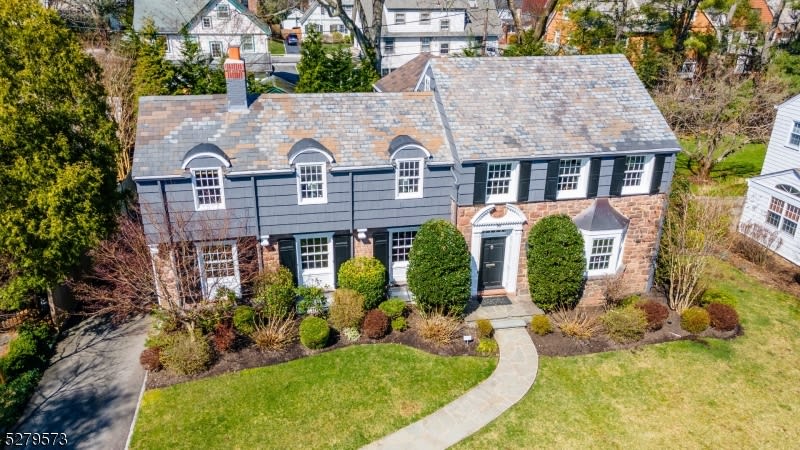
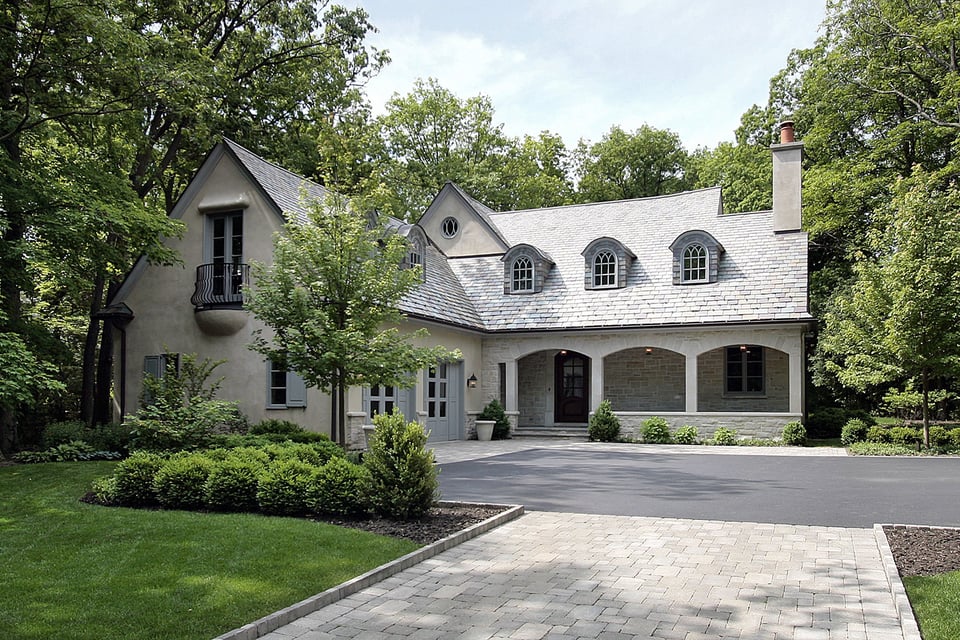
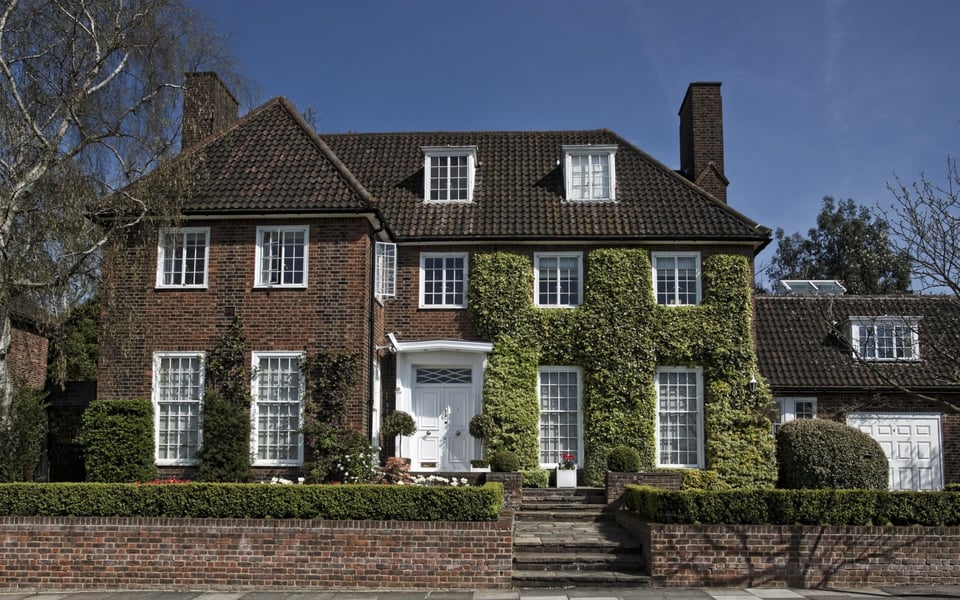
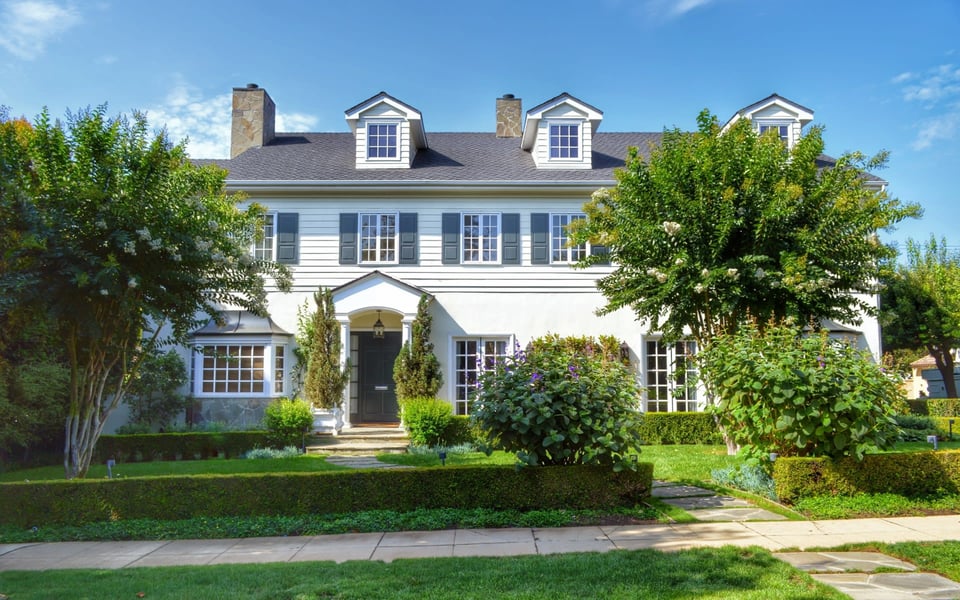
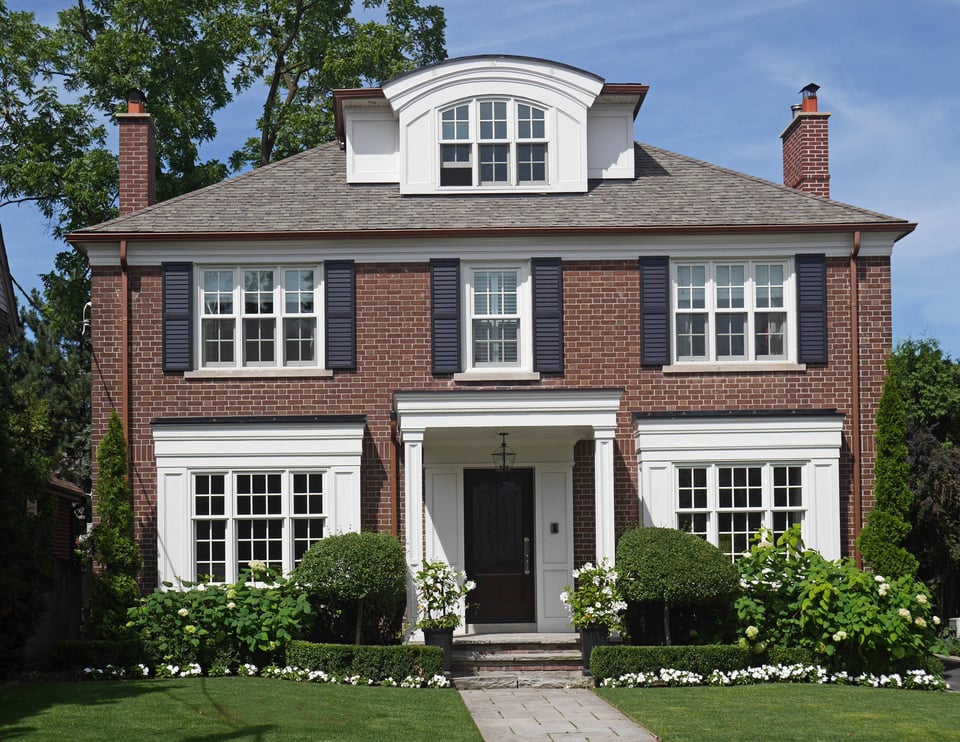
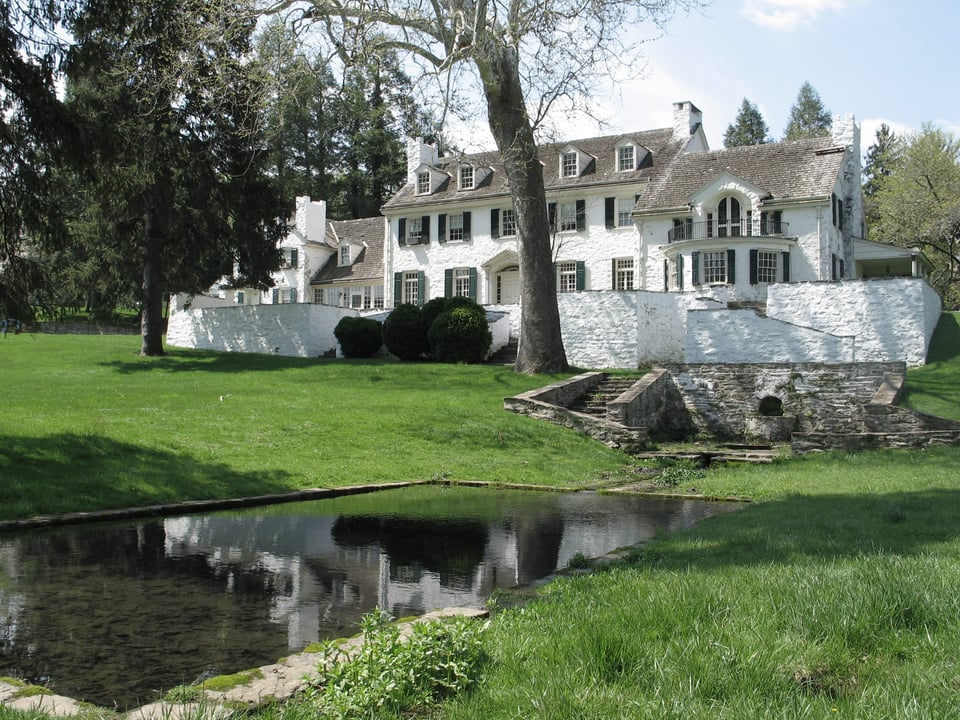
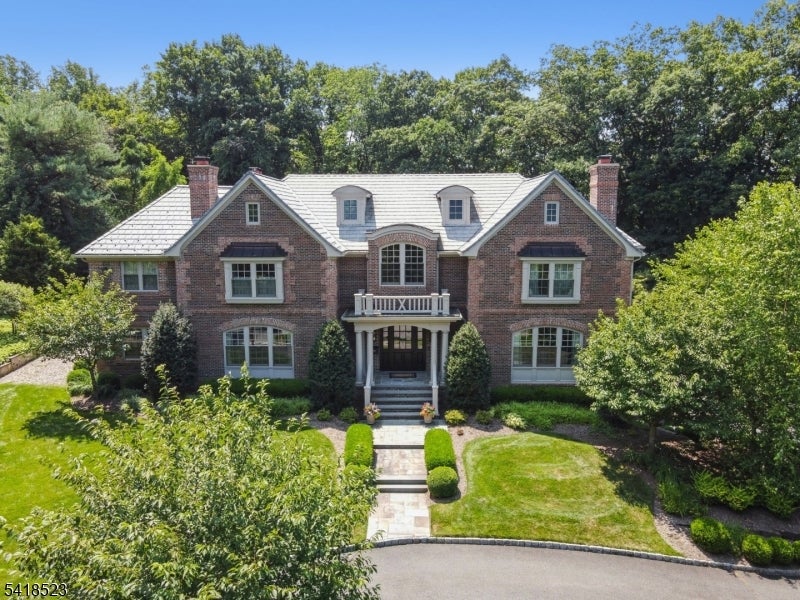
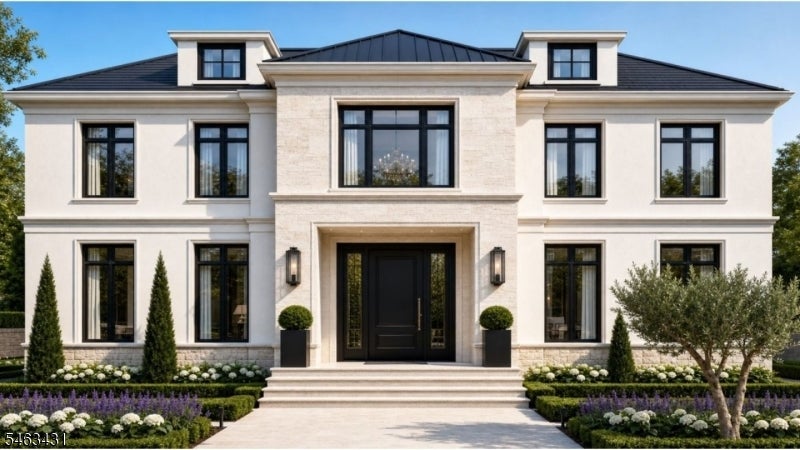
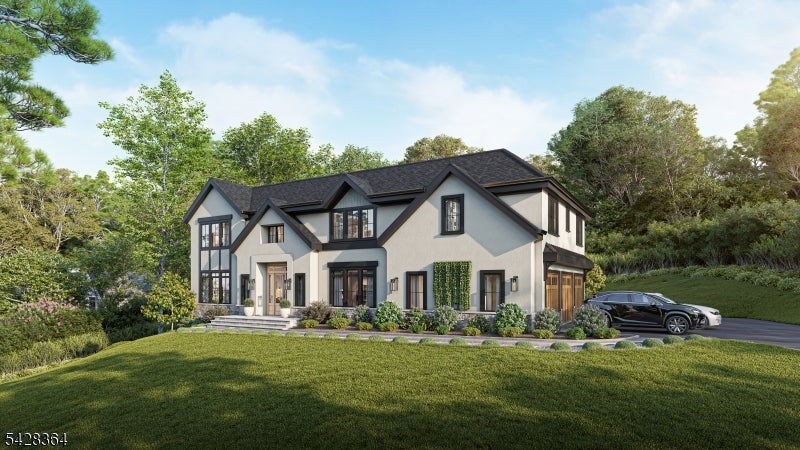
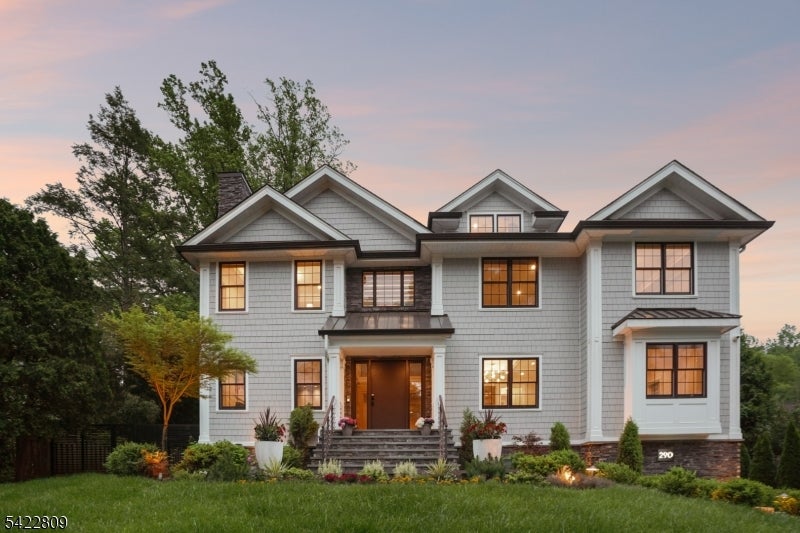
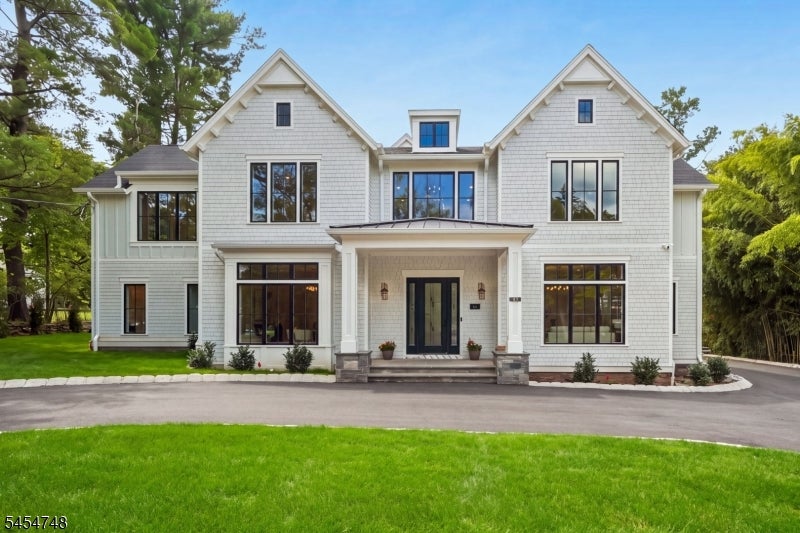
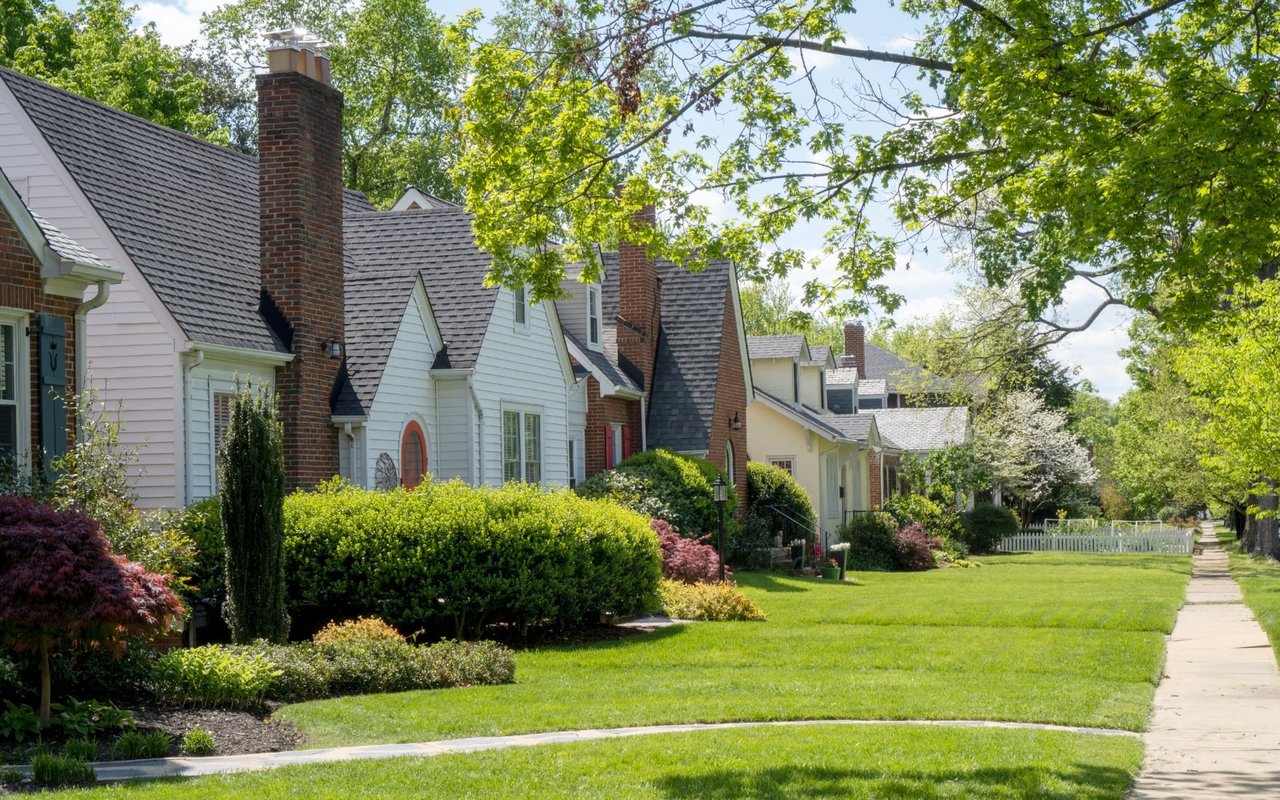
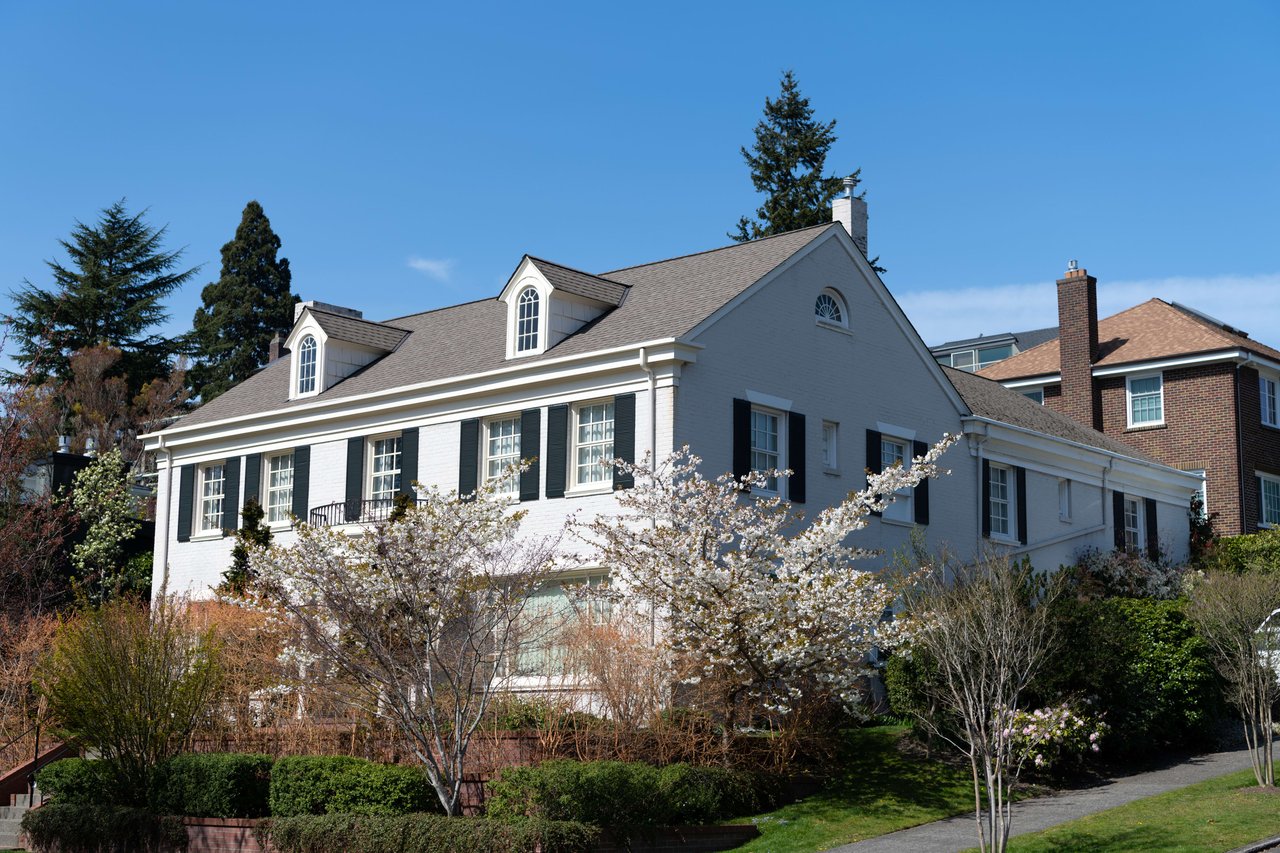
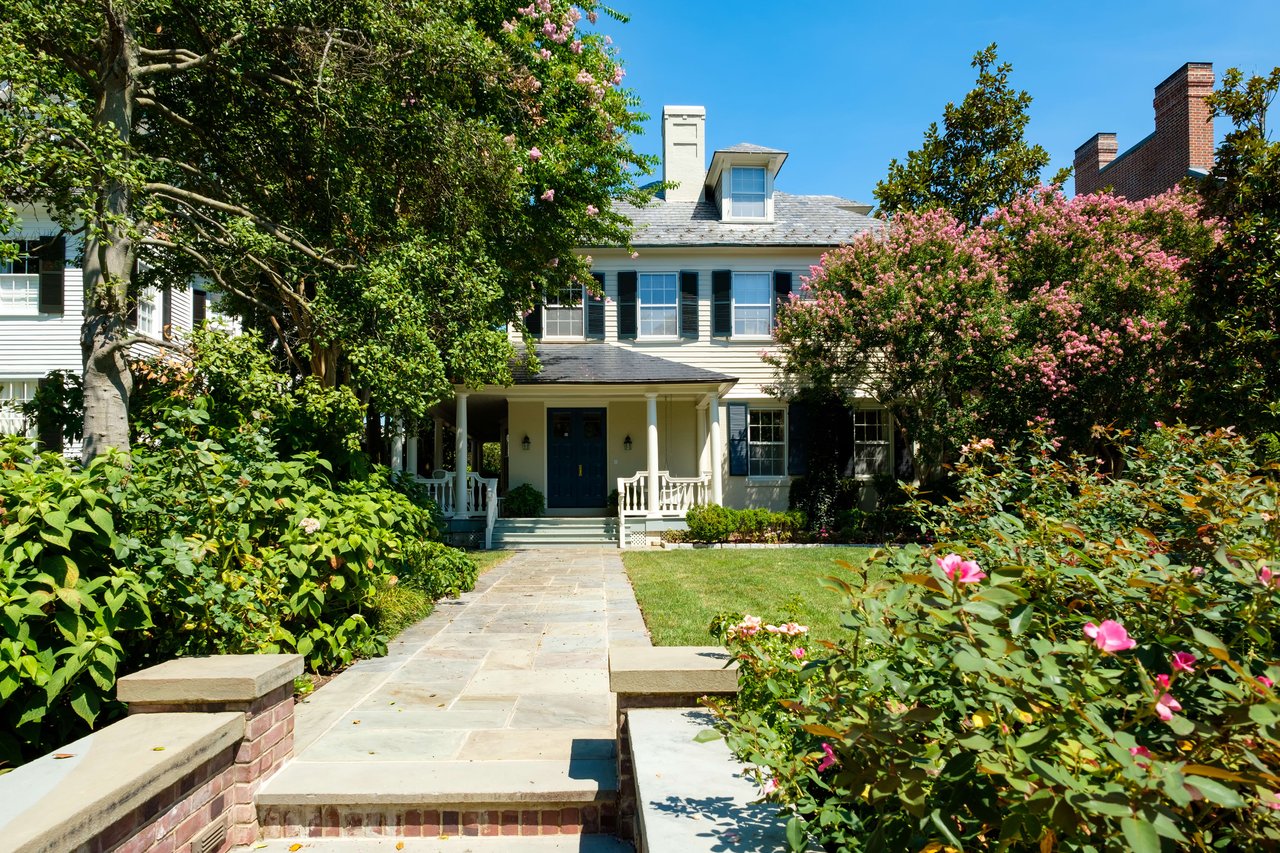
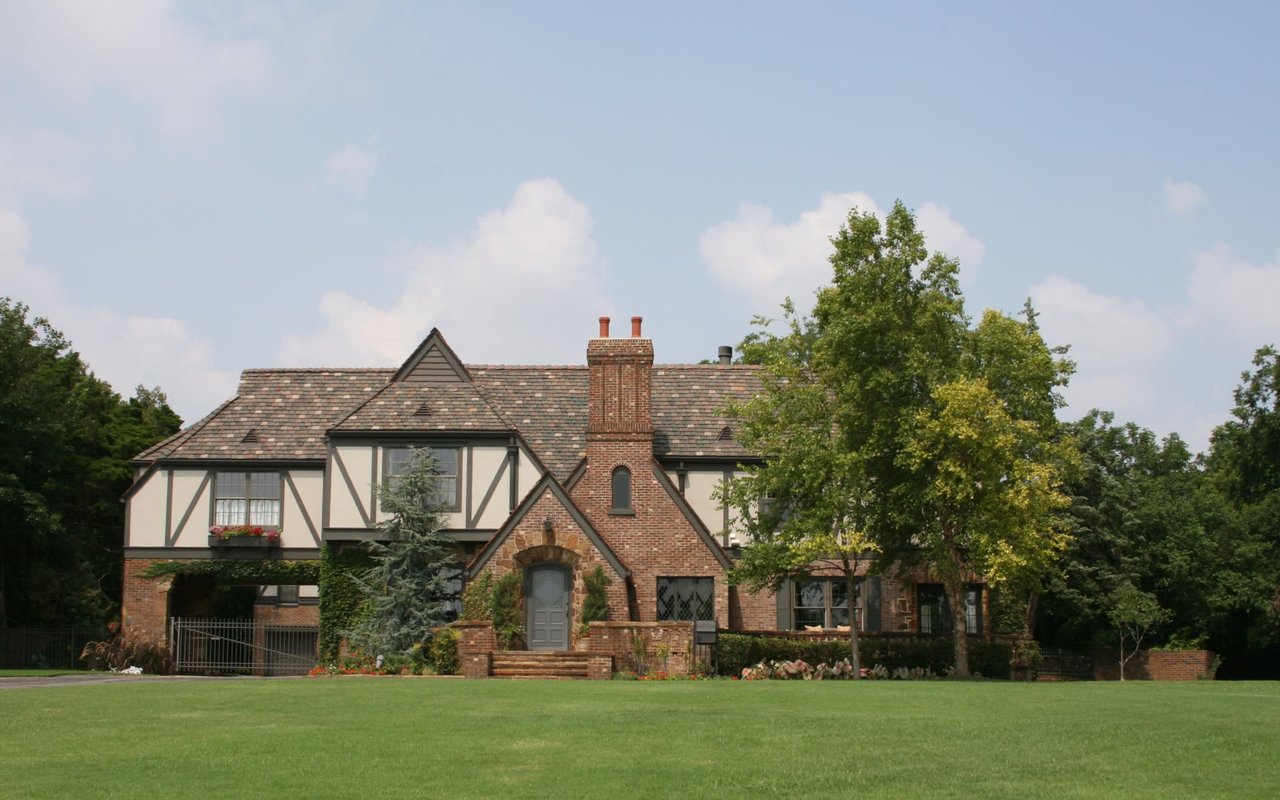
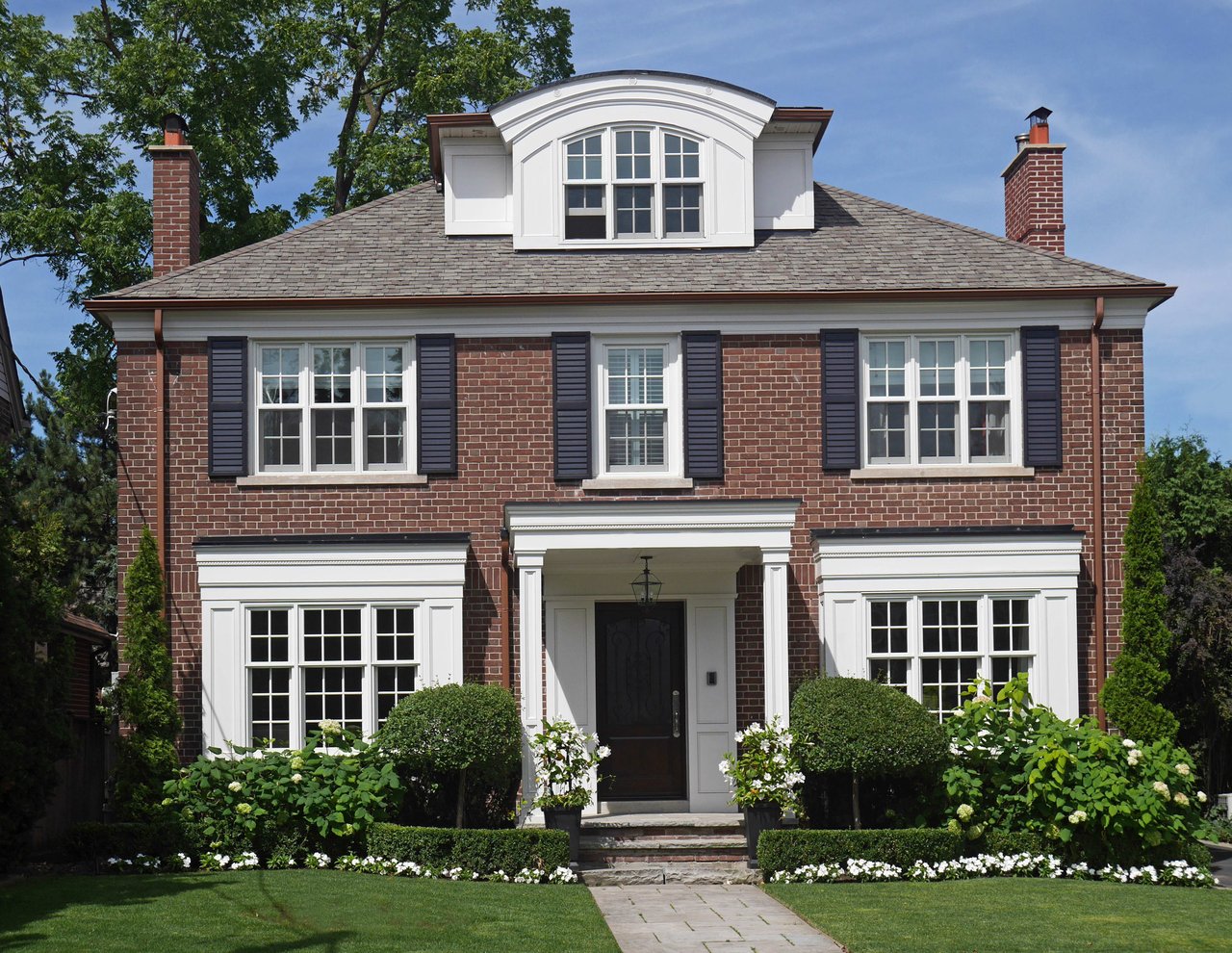
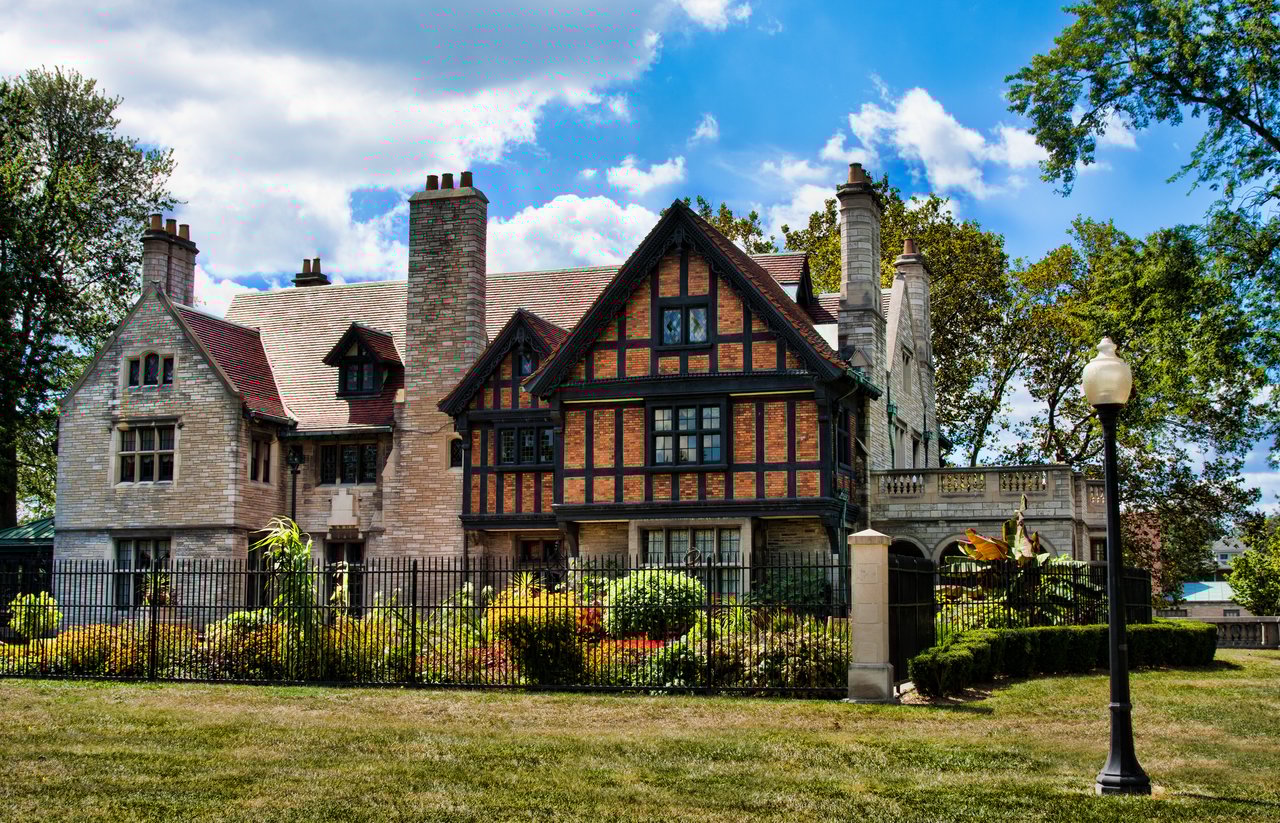
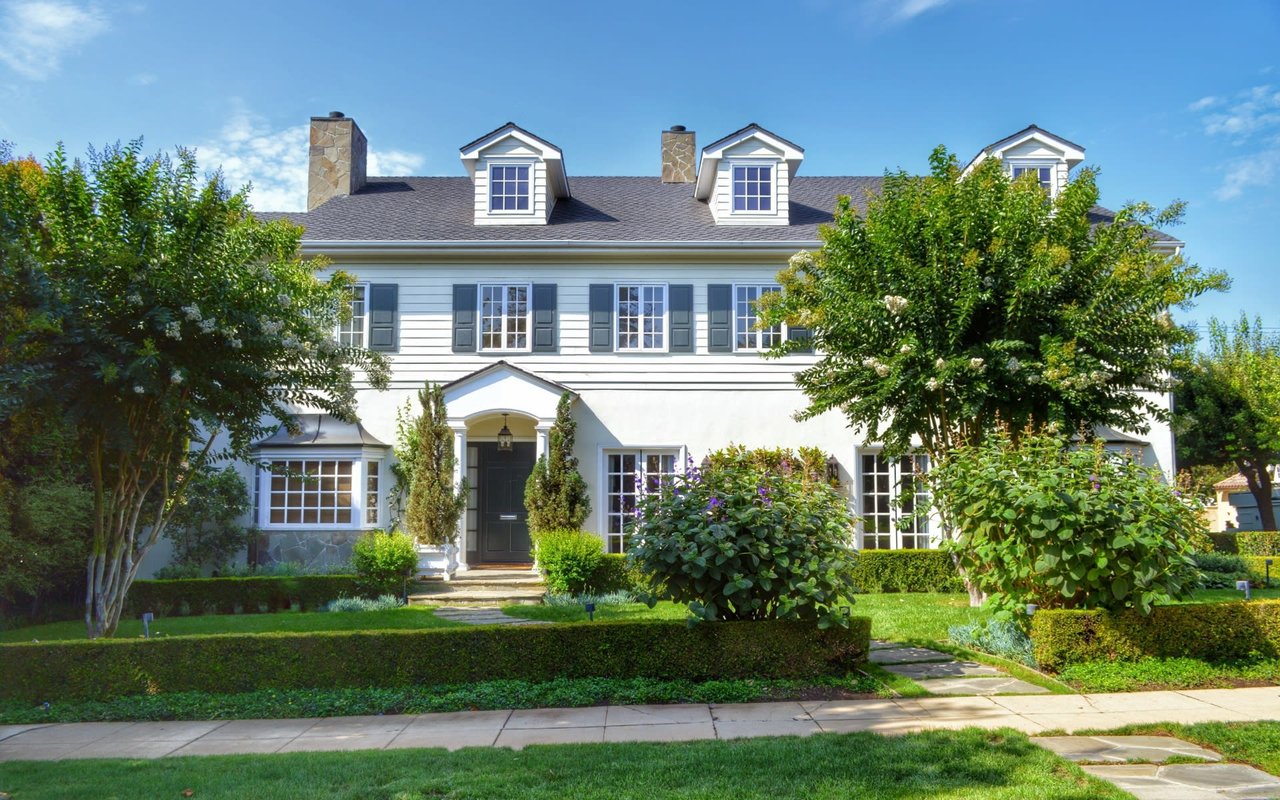
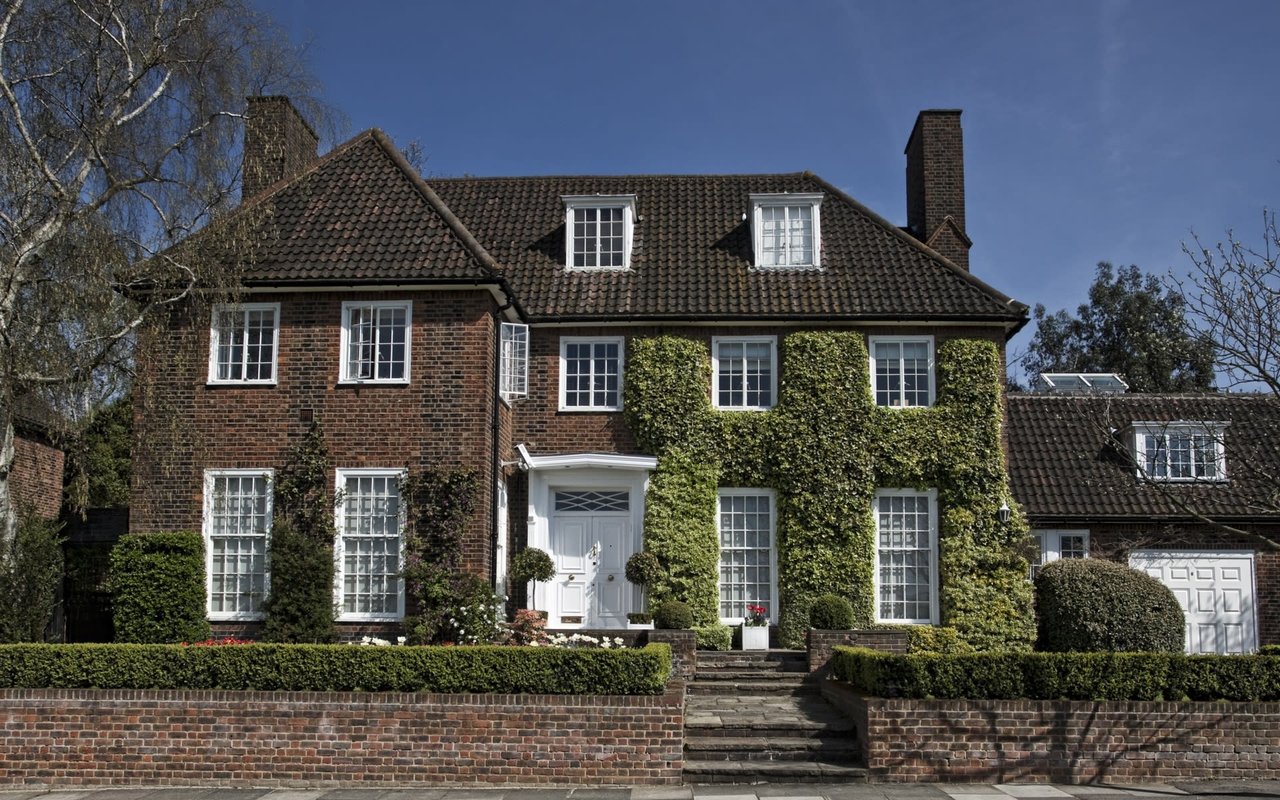
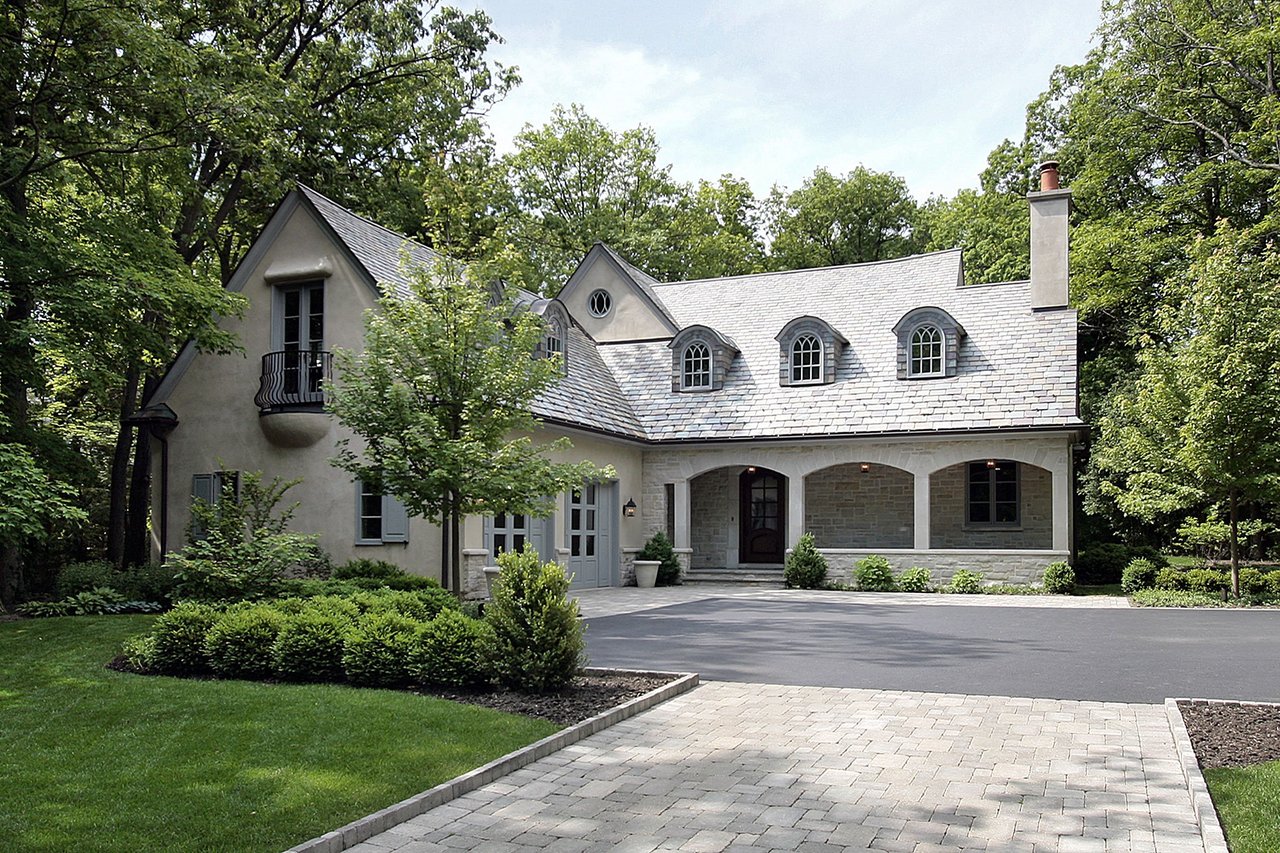
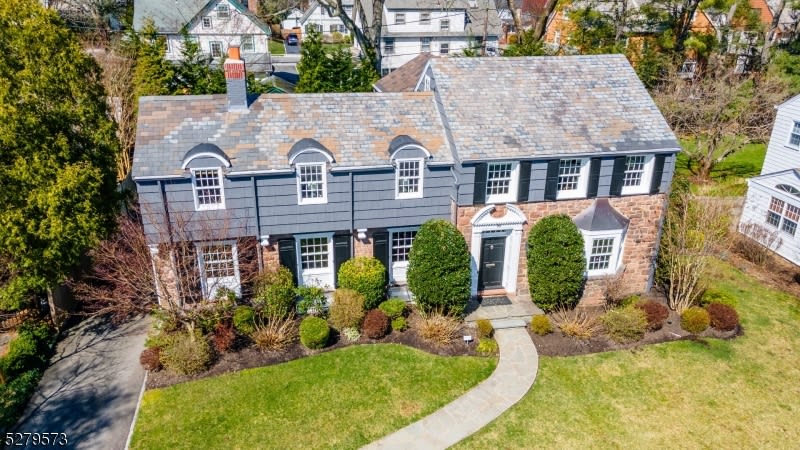
Homes in Upper Montclair may include historic Colonials, Tudors, Victorians, renovated single-family homes, larger luxury residences, townhome-style properties, and select condominium options. The area is especially appealing for buyers who want a residential setting close to restaurants, shops, schools, parks, and NJ Transit access.
This guide is designed to support neighborhood-level research. For active listings, compare the broader Montclair homes for sale page, the dedicated Montclair luxury homes page, or the Montclair condos page depending on your search intent.
Key Facts: Upper Montclair, New Jersey | |
|---|---|
Community | Upper Montclair, within Montclair Township |
County | Essex County |
Primary ZIP Code | 07043 |
Real Estate Profile | Historic single-family homes, renovated residences, luxury homes, townhomes, condos, and established residential streets |
Lifestyle | Village shopping, restaurants, parks, schools, commuter access, local services, and Montclair cultural amenities |
Nearby Areas | Montclair, Watchung Plaza, Glen Ridge, Cedar Grove, Verona, and nearby Essex County communities |
Buyer Appeal | Strong for buyers who want architecture, walkability, neighborhood character, schools, parks, and access to New York City commuter routes |
Search Fit | Luxury buyers, move-up buyers, commuters, families, downsizers, and buyers looking for a more polished Montclair lifestyle |
Upper Montclair real estate is shaped by its mix of architectural character, village convenience, established streets, and access to parks, transit, and local amenities. Buyers often compare the area with other Montclair neighborhoods because Upper Montclair can feel both residential and connected, offering a quieter home environment while keeping dining, shopping, schools, and transportation within reach.
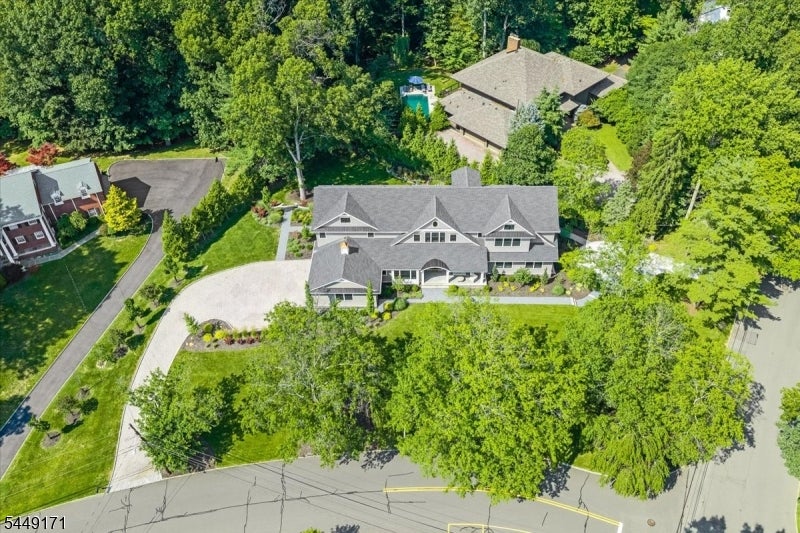
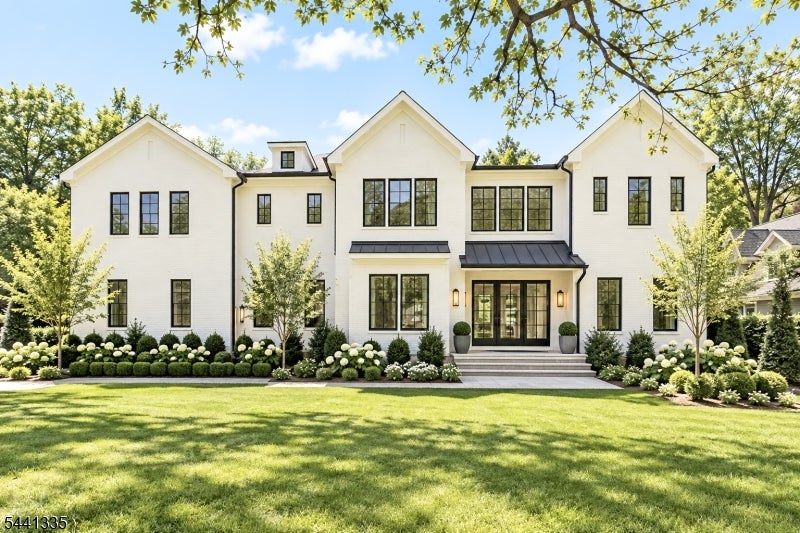
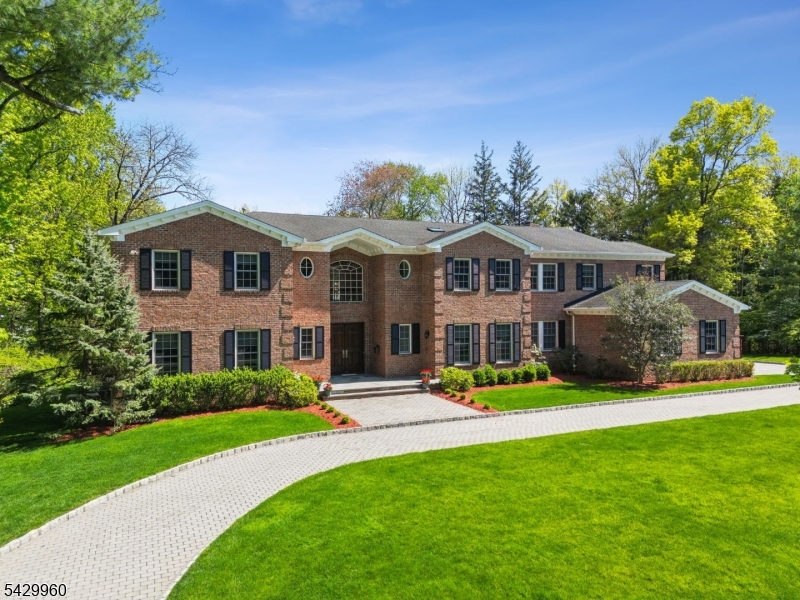
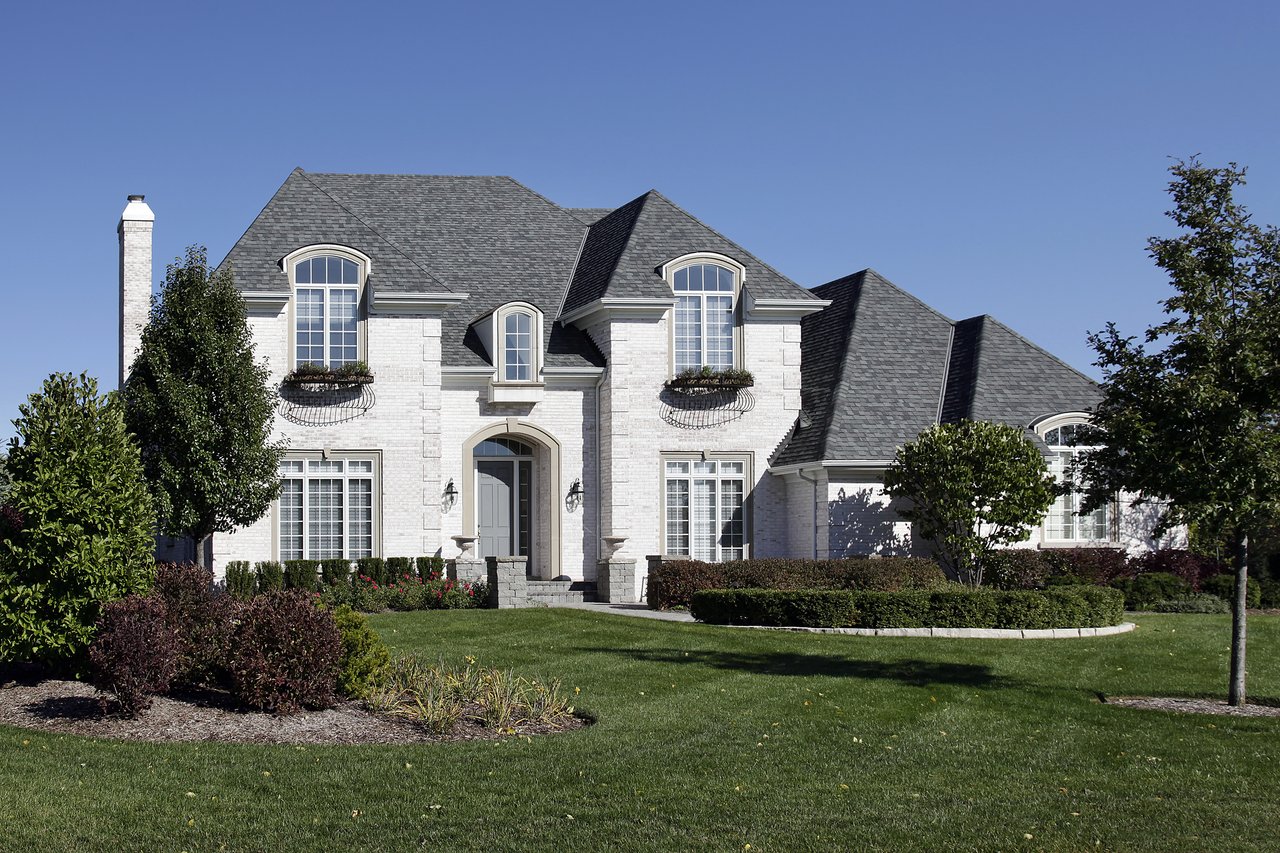
The housing stock varies from classic older homes with original character to fully renovated residences designed for modern living. Buyers may find homes with front porches, mature landscaping, fireplaces, detailed millwork, formal rooms, expanded kitchens, finished lower levels, outdoor entertaining areas, and flexible spaces for work, guests, or multigenerational living.
Local buying insight: Upper Montclair buyers should look beyond bedroom count and square footage. Street setting, train proximity, parking, property condition, renovation quality, lot usability, and long-term resale appeal can all affect the strength of a property.
Property Type | Market Character | What Buyers Should Evaluate |
|---|---|---|
Historic Single-Family Homes | Classic Colonials, Tudors, Victorians, and older homes with architectural detail and established curb appeal. | Original features, renovation history, roof, systems, foundation, windows, drainage, layout, and future maintenance needs. |
Renovated Residences | Updated homes with modern kitchens, improved layouts, finished lower levels, refreshed systems, and elevated interiors. | Quality of renovation, permits, mechanical upgrades, design choices, flow, storage, and long-term value. |
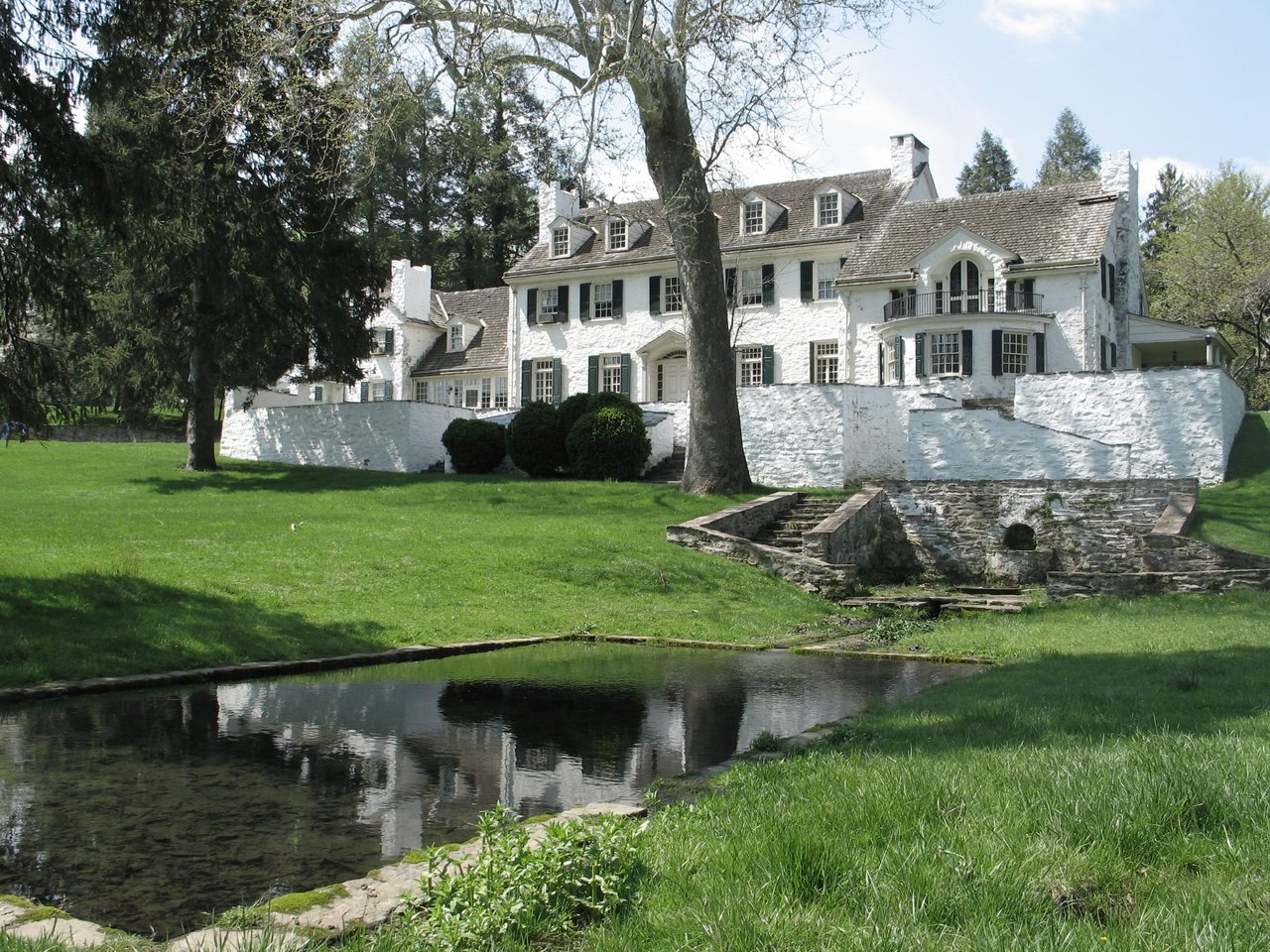
Luxury Homes | Larger homes, estate-style settings, premium finishes, mature landscaping, and properties with stronger architectural presence. | Privacy, lot quality, street position, outdoor living, craftsmanship, condition, and pricing compared with other Montclair luxury homes. |
Condos & Townhomes | Lower-maintenance ownership options near village amenities, transit access, or central Montclair conveniences. | HOA fees, reserves, parking, pet policies, rental rules, building condition, and maintenance coverage. |
Commuter-Friendly Homes | Properties near train access, bus routes, major roads, and neighborhood conveniences. | Actual commute, station access, parking, street activity, noise tolerance, and daily routine. |
Upper Montclair has a distinct neighborhood identity within Montclair. The area is often associated with a village-like center, tree-lined residential streets, historic homes, parks, and a polished everyday lifestyle. Buyers may choose Upper Montclair because it offers a strong sense of place without feeling disconnected from the rest of Montclair.
A central lifestyle area with restaurants, shops, cafés, services, and local gathering places. Buyers who want convenience and neighborhood energy often prioritize this setting.
A recognizable Upper Montclair corridor with access to village amenities, residential streets, transit options, and everyday services.
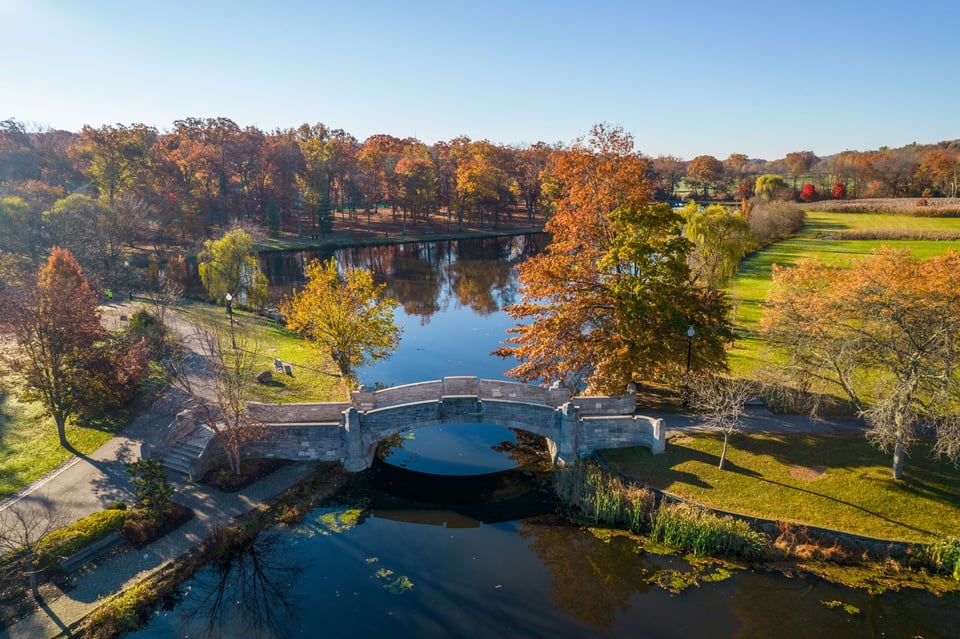
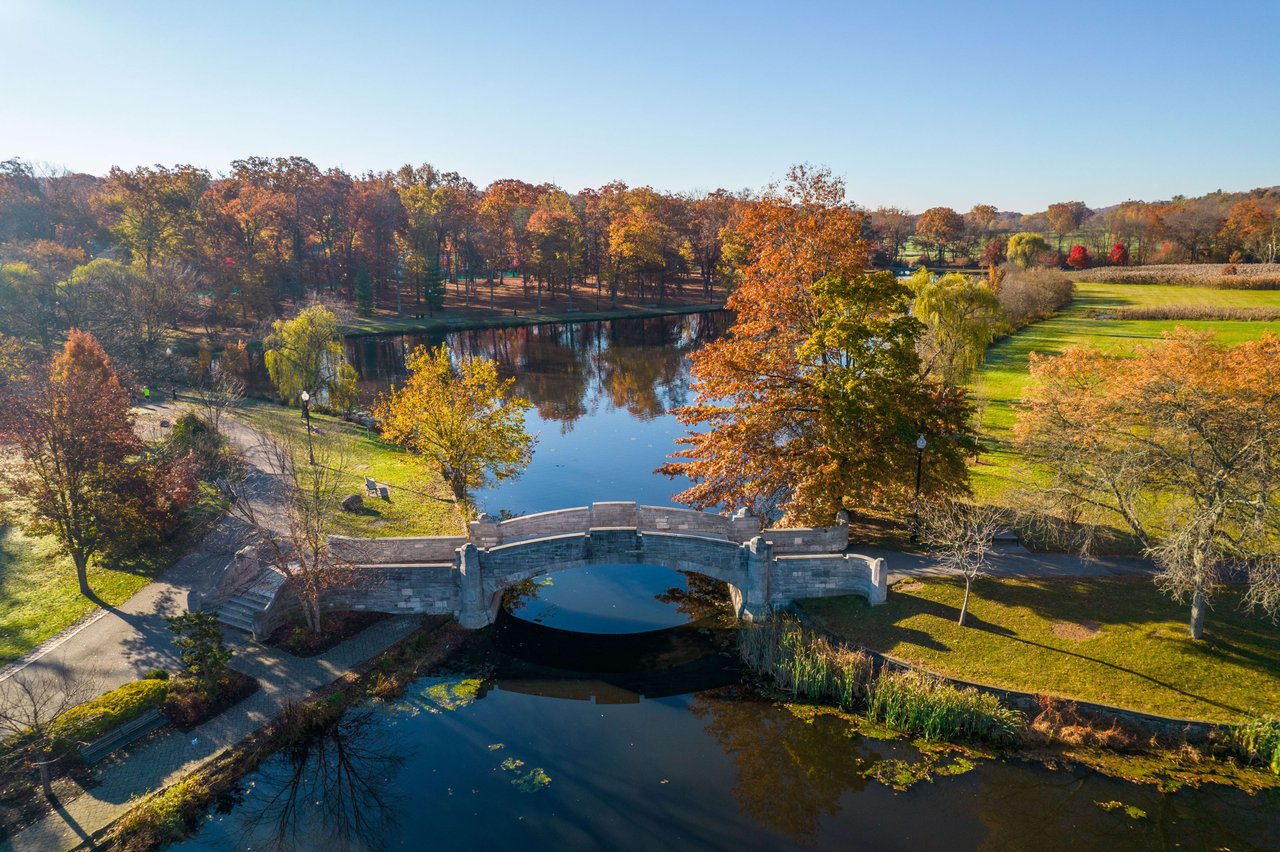
A residential setting near one of Montclair’s beloved green spaces. Buyers may value the park access, mature trees, and neighborhood character.
Certain Upper Montclair buyers also compare nearby Watchung-area homes for train access, neighborhood conveniences, and classic Montclair architecture.
Some buyers look toward areas with easier access to larger outdoor spaces, trails, and a more tucked-away residential feel.
Upper Montclair includes calmer residential pockets where privacy, landscaping, parking, and street character become especially important.
Upper Montclair can be a strong fit for buyers who want a refined neighborhood lifestyle, but the best choice depends on the exact block, property condition, commute needs, outdoor space, and long-term goals.
Upper Montclair is appealing to many buyers because it offers a residential setting with access to commuter options. NJ Transit service, nearby Montclair stations, local roads, and regional routes can help support travel to New York City, nearby business districts, and surrounding North Jersey communities.
Connection | Access Point | Real Estate Consideration |
|---|---|---|
Upper Montclair Station | NJ Transit rail access | Homes closer to the station may offer commuter convenience; buyers should also consider parking, sound, and daily foot traffic. |
Nearby Montclair Stations | Additional NJ Transit options in and around Montclair | Station choice may depend on schedule, parking, walkability, and the buyer’s destination. |
New York City | Train, bus, and driving routes depending on schedule and destination | Buyers should compare door-to-door commute time rather than relying only on mileage. |
Glen Ridge and Bloomfield | Local roads and nearby transit connections | Nearby communities can offer additional lifestyle and commute comparisons for buyers considering the broader area. |
Essex County Access | Local roads, county routes, and regional highways | Daily travel patterns should be reviewed based on work, school, shopping, and recreation needs. |
Lifestyle is a major part of Upper Montclair’s appeal. Buyers are often drawn to the area because it feels established, walkable in key pockets, and connected to Montclair’s broader dining, arts, shopping, and recreation scene.
Upper Montclair offers a local village feel with restaurants, cafés, services, and shops that support an easy everyday routine.
A signature green space in Upper Montclair, Anderson Park adds neighborhood appeal for buyers who value outdoor access and community character.
Upper Montclair residents can enjoy nearby access to Montclair’s restaurants, galleries, theaters, museums, seasonal events, and creative energy.
For a deeper look at Montclair lifestyle, explore The Wright Group’s local guide to Montclair restaurants and dining .
Buyers often consider schools when evaluating Upper Montclair, but school assignments, enrollment policies, and program availability should always be verified directly for the specific property address. This is especially important when comparing homes near neighborhood boundaries or when school priorities are part of the purchase decision.
Education Topic | General Role | Buyer Reminder |
|---|---|---|
Public Schools | Upper Montclair addresses may be served by Montclair public schools depending on address and current assignment policies. | Verify assigned schools directly using the exact property address before making a decision. |
Private & Alternative Options | Additional education options may be available in Montclair and nearby Essex County communities. | Admissions, tuition, transportation, and program fit should be confirmed independently. |
Commute to Schools | Daily school logistics may depend on neighborhood, grade level, transportation, and household schedule. | Compare actual routes, pickup patterns, walkability, and travel time during relevant hours. |
A strong buying plan should separate must-haves from preferences and evaluate the complete property: neighborhood setting, architectural style, renovation level, commute access, taxes, parking, outdoor space, and long-term flexibility.
The Wright Group can help buyers compare active opportunities, recent sales, property disclosures, offer strategy, and how Upper Montclair differs from other Montclair and Essex County neighborhoods.
Selling in Upper Montclair requires pricing and presentation that reflect the property’s specific value: architecture, location, upgrades, lot quality, condition, proximity to village amenities, and buyer demand.
If you are considering a sale, request a home valuation informed by current inventory, recent neighborhood activity, and The Wright Group’s local market expertise.
Whether you are comparing Upper Montclair homes, preparing to sell, or deciding how this neighborhood fits into your broader Montclair search, The Wright Group at Christie’s International Real Estate can help you move forward with clarity and confidence.
What types of homes are available in Upper Montclair?
Upper Montclair offers historic single-family homes, renovated residences, luxury homes, townhome-style properties, and select condo options. Buyers can compare homes by architecture, condition, lot size, parking, outdoor space, proximity to village amenities, and access to transit.
Is Upper Montclair a good fit for NYC commuters?
Upper Montclair can be a strong fit for commuters who want a residential neighborhood setting with access to NJ Transit and nearby regional routes. Buyers should compare station proximity, parking, schedule needs, and door-to-door travel time.
How is Upper Montclair different from Downtown Montclair?
Upper Montclair generally offers a more village-oriented residential feel, while Downtown Montclair is often associated with a denser restaurant, entertainment, and commercial district. The right fit depends on whether a buyer prioritizes quieter streets, village convenience, nightlife, walkability, transit, or property style.
Are there luxury homes in Upper Montclair?
Yes. Upper Montclair includes larger homes, historic properties, renovated residences, and homes with elevated architectural presence. Luxury buyers should compare privacy, lot quality, renovation level, street setting, outdoor space, and resale positioning.
What should buyers inspect in older Upper Montclair homes?
Buyers should review roof age, foundation, drainage, electrical, plumbing, heating and cooling systems, windows, exterior materials, renovation permits, and any prior additions. Historic homes can offer character, but condition and maintenance planning are important.
Is Upper Montclair walkable?
Walkability varies by address. Some homes are close to village shops, restaurants, parks, and transit, while others are in quieter residential areas where a car may be more practical. Buyers should evaluate the actual route from each property to daily destinations.
Should buyers compare Upper Montclair with Glen Ridge?
Many buyers compare Upper Montclair and Glen Ridge because both offer established residential character and access to commuter routes. Upper Montclair may appeal to buyers who want more Montclair village lifestyle, while Glen Ridge has its own distinct neighborhood and architectural identity.
Why work with The Wright Group in Upper Montclair?
The Wright Group at Christie’s International Real Estate helps buyers and sellers evaluate Upper Montclair homes, neighborhood fit, pricing, property condition, presentation, negotiation strategy, and long-term value within the broader Montclair market.
Explore Nearby Communities
Compare Upper Montclair with nearby Montclair and Essex County communities to better understand lifestyle, housing, commute access, and long-term fit.
13,502 people live in Upper Montclair, where the median age is 40.8 and the average individual income is $109,688. Data provided by the U.S. Census Bureau.
Total Population
Median Age
Population Density Population Density This is the number of people per square mile in a neighborhood.
Average individual Income
Upper Montclair has 4,179 households, with an average household size of 3.08. Data provided by the U.S. Census Bureau. Here’s what the people living in Upper Montclair do for work — and how long it takes them to get there. Data provided by the U.S. Census Bureau. 13,502 people call Upper Montclair home. The population density is 5,298 and the largest age group is Data provided by the U.S. Census Bureau.
Total Population
Population Density Population Density This is the number of people per square mile in a neighborhood.
Median Age
Men vs Women
Population by Age Group
0-9 Years
10-17 Years
18-24 Years
25-64 Years
65-74 Years
75+ Years
Education Level
Total Households
Average Household Size
Average individual Income
Households with Children
With Children:
Without Children:
Marital Status
Blue vs White Collar Workers
Blue Collar:
White Collar:
Trusted, local Listing Specialists who will help you achieve your real estate goals and tell your home's story like no one else can. The Wright Group will MAXIMIZE your home's equity with unrivaled storytelling power and exceptional sales expertise!