A Buyer’s Guide To New Construction In Short Hills
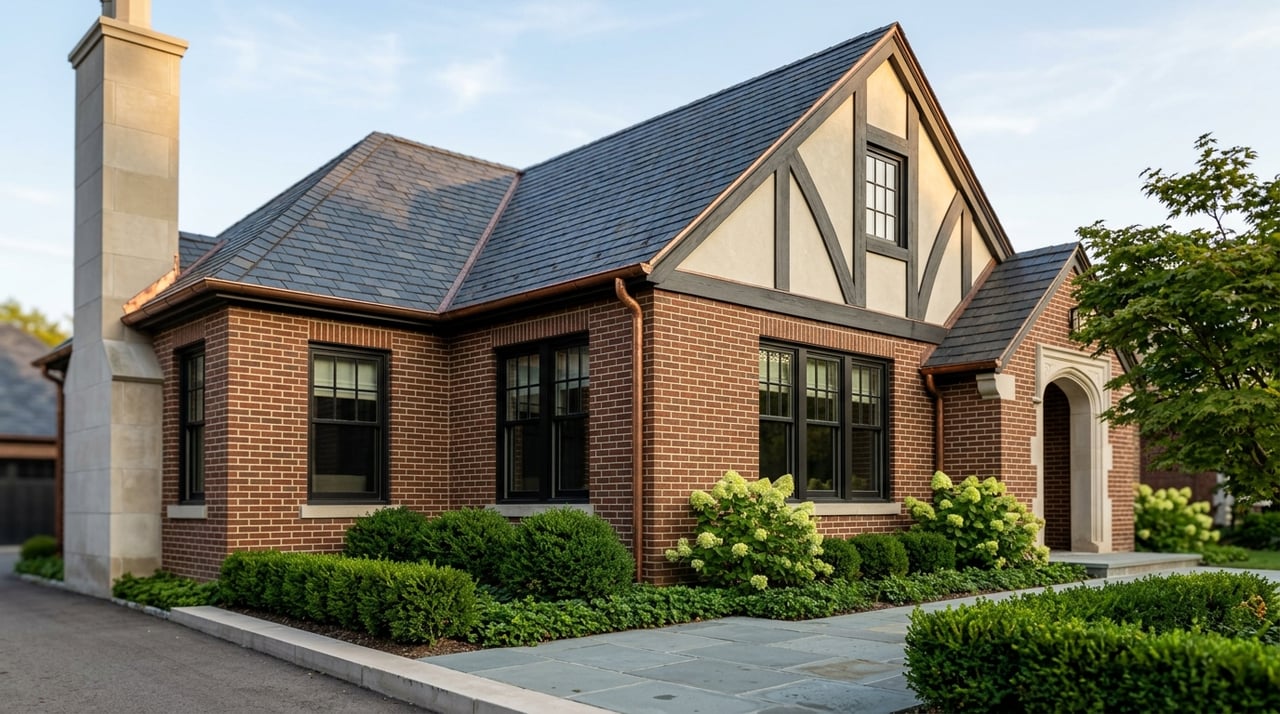
Thinking about buying brand-new in Short Hills? It can feel like the ideal shortcut to modern finishes, less maintenance, and move-in-ready living, but new construction here comes with a different set of questions than many buyers expect. In a market this competitive and high-value, you are often buying more than a new house. You are buying a lot, a location, a builder’s process, and a long-term fit for how you want to live. Let’s dive in.
Short Hills is part of Millburn Township in Essex County, and it sits in a premium segment of the market. Recent market snapshots show active listings around 69 homes, with pricing metrics ranging from roughly $2.3 million to $2.8 million depending on the source and methodology. The exact number varies, but the story is consistent: this is a high-end market where condition, location, and convenience carry real weight.
That is one reason new construction attracts so much attention. Recent examples in Millburn and Short Hills have ranged from about $1.595 million to $5.188 million, including both detached homes and condo offerings. In practice, that means a new build is often competing not just with older homes, but with well-renovated resale properties that already offer updated finishes and established settings.
For many buyers, especially those commuting to New York City, access is part of the value equation. Short Hills Station sits on NJ TRANSIT’s Morris & Essex line, and the station includes municipally managed permit parking. If your search includes rail access and suburban space, that local infrastructure helps explain why demand remains strong.
In Short Hills, the house matters, but the lot can matter just as much. Many new construction opportunities come from infill parcels or rebuilt homes on existing sites, which means placement, setbacks, driveway layout, and site constraints all deserve careful review. A beautiful finished product can still come with limitations if the parcel itself is not the right fit for your needs.
Millburn’s Building Department enforces both the township zoning ordinance and New Jersey’s Uniform Construction Code. The township also notes that zoning approvals are required for most exterior building and site improvements. For you as a buyer, that means future plans like changing the exterior, expanding outdoor areas, or adjusting site features may involve more review than you might assume.
This is especially important if you are drawn to the character and setting of older parts of Short Hills. Certain areas are affected by historic district rules, including the Short Hills Park Historic District, the Wyoming Historic District, and the Short Hills Village Historic District near the downtown and station area. In those locations, exterior changes, additions, demolition, and similar work can require review and a Certificate of Appropriateness before work begins.
If you plan to customize after closing, historic district status should be one of your first diligence items. A home may be newly built or recently rebuilt, but that does not automatically mean future exterior changes are simple. Rooflines, siding, facade details, and additions may still be subject to local review depending on the property’s location.
That does not make a purchase less attractive. It simply means you should verify what is allowed before assuming you can make design changes later. In a market where exterior presentation and architectural fit matter, these rules can directly affect both your plans and your timeline.
In a niche market, builder reputation should be measured by performance, not just presentation. In New Jersey, builders of new homes must be registered with the Department of Community Affairs, and a builder cannot take out a permit to build a new home without that registration. The state may deny, suspend, or revoke registration for issues tied to warranty coverage, warranty claims, fraud, misrepresentation, or substantial code violations.
That framework gives you practical due diligence tools. Before making an offer, it is smart to verify the builder’s registration status, ask about warranty enrollment, and review how clearly the builder communicates about schedule, punch-list items, and post-closing service. In a high-value purchase, responsiveness matters just as much as finishes.
You should also remember that a polished spec home and a well-run build process are not always the same thing. A strong-looking final product still deserves careful review of paperwork, approvals, and warranty coverage. The most reassuring builder is usually the one with a clear process, complete documentation, and consistent follow-through.
For most buyers, the main choice in new construction comes down to control versus convenience. A custom or semi-custom project gives you more say over layout, materials, and design choices. It can be a strong option if you want a home tailored to how you live and are comfortable navigating more decisions along the way.
A spec home usually offers more speed and less uncertainty. The layout, finish package, and mechanical systems are typically already selected, which can make the path to closing more straightforward. If your goal is a newer home with fewer moving parts, this route may feel more manageable.
Neither option is automatically better. In Short Hills, the right answer depends on your timeline, tolerance for decision-making, and how important personalization is to you. In a market where many resale homes are already renovated, the value of new construction often comes from fit and execution, not just the fact that it is brand new.
A new construction purchase is rarely just contract to closing. Millburn’s building process includes permit requirements for most construction, alteration, and site work, along with inspections at specific milestones. Those milestones can include footing, foundation, slab, sheathing, rough electrical, rough plumbing, framing, insulation, final trade inspections, and final building inspection.
The township also notes that inspections are not same-day. That may sound like a minor detail, but it can affect scheduling, move timing, and the delivery date you are counting on. If you are coordinating a lease end, school-year timing, or a relocation from the city, these checkpoints matter.
This is why buyers should ask for a realistic timeline, not just an optimistic one. You want to understand what has already been approved, what inspections remain, and what needs to happen before final closing can occur. A clear timeline helps you separate a near-complete home from one that still has meaningful steps ahead.
A new home still needs a serious inspection process. The New Jersey Department of Banking and Insurance advises buyers to consider a qualified, independent home inspector who evaluates the physical condition of the structure, construction, and mechanical systems. That independent review serves a different purpose from municipal code inspections.
Municipal inspections focus on Uniform Construction Code compliance. They are important, but they do not guarantee that every detail of your contract has been delivered or that every issue you care about will be identified. Put simply, code compliance and buyer satisfaction are not the same thing.
A smart approach is to think in layers:
These are separate protections, and none of them fully replaces the others.
New Jersey’s new-home warranty program is a major part of buying new construction. The state says nearly every new house must be protected by a new-home warranty. In general, that coverage runs for 10 years, with first-year coverage for workmanship, materials, appliances, fixtures, and equipment, second-year coverage for mechanical systems, and ten-year coverage for major structural defects.
This warranty is valuable, but it does not replace homeowners insurance or flood insurance if flood coverage is needed. It also works best when you stay organized. Keep your warranty certificate, closing documents, walk-through notes, and punch-list records in one place from the start.
The homeowner booklet also notes that a warranty claim generally cannot be filed until 120 days after the warranty start date except in emergencies or major structural defects. That makes it even more important to understand what should be addressed before closing, what belongs on the final walk-through list, and what may fall into the post-closing warranty period.
In Short Hills, resale value is not just about newness. Buyers here often look closely at location, lot quality, commute access, architectural fit, and the overall sense that a home will remain desirable and low-maintenance over time. A brand-new home can be compelling, but it does not guarantee an automatic premium if the siting, layout, or design choices feel out of step with the surrounding market.
Current market data points to strong demand, including a median days-on-market figure of about 31 days and pending activity reported at around 11 days by Zillow. That suggests buyers respond quickly to well-priced, well-presented homes. It also suggests that quality and fit still matter deeply, even at the top end of the market.
If you are thinking long term, ask yourself how the home will read five to ten years from now. Will the layout still feel practical? Will the finishes age well? Will the lot, approach, and exterior design continue to feel intentional in the context of nearby homes? Those questions can be just as important as the appliance package.
Before you move forward on a new construction home in Short Hills, focus on the items that are easiest to miss in listing photos and open houses.
Here is a practical checklist:
If schools are part of your decision-making, Millburn Township Public Schools reports about 4,589 enrolled students across eight schools and notes that 99% of graduating seniors attend four-year colleges. For many buyers, that broader district context is part of why demand remains durable in this area.
Buying new construction in Short Hills is rarely just about finding something brand new. It is about choosing the right lot, the right builder, the right level of customization, and the right match for your schedule and long-term goals. In a market where both new builds and renovated resale homes can command premium pricing, the details behind the walls and beyond the listing photos matter.
If you want a thoughtful, data-driven approach to buying in Essex County, working with a team that understands both presentation and process can make a real difference. When you are ready to explore new construction or compare it with standout resale options, connect with The Wright Group for polished guidance tailored to your move.
Stay up to date on the latest real estate trends.
Your Seasonal Home Maintenance Checklist in Montclair, NJ, for a Market-Ready Home.
A Local Guide to Common Home Seller Mistakes in Montclair, NJ.
Trusted, local Listing Specialists who will help you achieve your real estate goals and tell your home's story like no one else can. The Wright Group will MAXIMIZE your home's equity with unrivaled storytelling power and exceptional sales expertise!