Pricing Your Home Strategically In The Caldwells
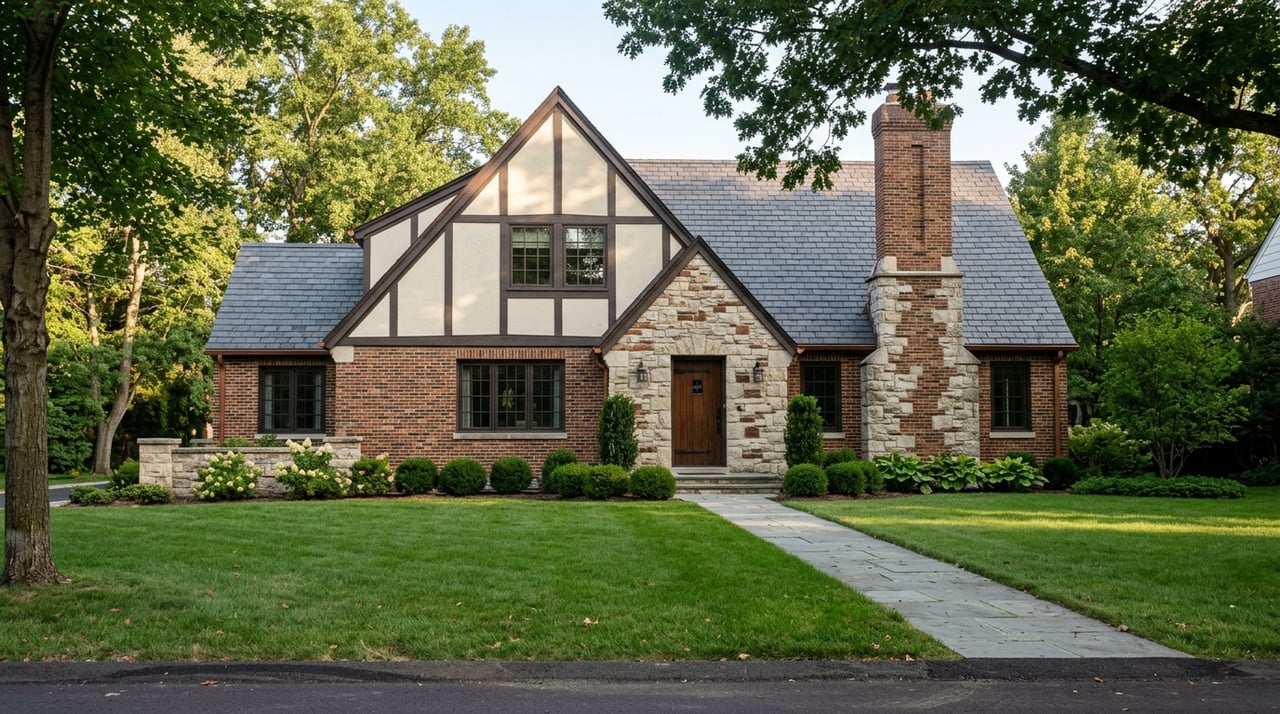
If you price your home based on a broad town average, you could leave money on the table or lose momentum before the right buyer ever walks through the door. In The Caldwells, that risk is real because Caldwell, West Caldwell, and North Caldwell each behave a little differently, and even within the same town, block, condition, and presentation can shift value in a meaningful way. If you are preparing to sell, the goal is not to pick the highest number. It is to choose a price that is persuasive, defensible, and timed to how buyers are shopping right now. Let’s dive in.
The Caldwells share a regional identity, but they are not interchangeable markets. Recent Realtor.com snapshots show Caldwell with a median list price of $569,000, West Caldwell at $592,500, and North Caldwell at $1.33 million. Median price per square foot, days on market, and sale-to-list ratios also vary, which means pricing strategy should begin with the specific township and then narrow further to truly comparable homes.
That distinction matters even more when sales volume is low. Redfin’s early 2026 snapshots show just 3 sales in Caldwell, 5 in West Caldwell, and 1 in North Caldwell during the periods cited. With so few transactions, a single sale can pull the median up or down, especially in North Caldwell, so online market numbers are best used as context, not as your final pricing answer.
A quick look at current conditions helps explain why sellers need a disciplined approach.
| Township | Median list price | Median price per sq. ft. | Median days on market | Sale-to-list ratio |
|---|---|---|---|---|
| Caldwell | $569,000 | $388 | 14 days | 105% |
| West Caldwell | $592,500 | $433 | 24 days | 109% |
| North Caldwell | $1.33M | $455 | 22 days | 103% |
These figures point to a market where well-positioned homes can still attract strong offers. They do not mean every property should be priced aggressively. They mean buyers are responding to homes that feel aligned with the market and competitive against current alternatives.
A smart pricing strategy begins with a comparative market analysis, often called a CMA. That means looking at recently sold homes, homes that are under contract, and active listings that buyers can compare against your property today. The most useful comps are not just nearby. They should also match your home in size, style, condition, lot characteristics, and overall buyer appeal.
In The Caldwells, this is where many pricing conversations go off track. A colonial on a quiet residential street, a renovated split-level, and a larger luxury property may all sit in the same town, but they do not compete in the same way. If your price is built from homes that do not truly resemble yours, the strategy starts on weak footing.
Your home is not priced in a vacuum. Buyers will compare it against what else they can purchase right now, and that live competition shapes how much room you really have. In a market with relatively tight inventory, every new listing still has to answer the same basic buyer question: why this home over the others?
That is why active listings belong in the pricing conversation. If similar homes are already on the market with stronger finishes, better updates, or more favorable lot characteristics, your price has to reflect that reality. If your home presents more strongly than nearby options, you may have support for a firmer position within the pricing range.
In towns as closely watched as The Caldwells, small location differences can matter. A particular block, level of privacy, lot shape, exposure, or proximity to similar competing homes can influence buyer perception and pricing power. These are not abstract details. They can directly affect how many buyers engage in the first two weeks.
This is especially important in North Caldwell, where one luxury sale can distort broader averages. It also matters in Caldwell and West Caldwell, where condition and location can affect speed of sale in a more visible way. Two homes with similar square footage may not command the same price if one offers stronger privacy, more polished presentation, or a more competitive setting.
Sellers often assume updates automatically translate into a major price jump. Sometimes they do, but only when the market agrees the improvements add value relative to nearby substitutes. Cosmetic changes alone do not guarantee a premium if buyers still see stronger options at a similar price point.
Condition should be evaluated honestly. Renovations, deferred maintenance, layout flow, natural light, and overall presentation all influence what buyers are willing to pay. The strongest pricing plans connect your home’s condition to real evidence from comparable sales and current competition, not to wishful thinking.
Town medians can help you understand the broader market, but they are not precise enough to price an individual home. The right price comes from the closest comparable set, not from a headline number for the entire township.
A refreshed kitchen, new paint, or updated baths can improve buyer response, but upgrades still need market support. If nearby homes offer similar appeal, buyers may not pay as much of a premium as you expect.
The first weeks of a listing are often the most important. NAR notes that homes priced more than 3% above the correct price tend to take longer to sell, and a home on the market for more than 30 days without an offer should prompt a pricing review.
The best offer is not always the one with the biggest top-line number. Cash terms, contingencies, and timing flexibility can make a lower nominal offer stronger overall. Your pricing strategy should support the best net outcome, not just the boldest headline.
Strategic underpricing is not about giving your home away. It can be a deliberate move when the property is highly competitive, beautifully presented, and likely to attract broad buyer interest. In that setting, a sharp list price can increase urgency, improve showing activity, and create the conditions for multiple offers.
That approach has some support in The Caldwells, where recent sale-to-list ratios sit above 100% across Caldwell, West Caldwell, and North Caldwell. Still, this only works when the home is positioned well against nearby alternatives. Underpricing without strong presentation or buyer demand is not a strategy. It is a gamble.
There are times when a more ambitious list price is defensible. If your home is meaningfully better than nearby competition, tells a clear premium story, and you are not under pressure to move quickly, you may have room to test the upper end of the evidence range.
The key phrase is evidence range. Aspirational pricing should still be grounded in comparable sales, active competition, and the home’s actual strengths. If the market does not respond early, the strategy should be adjusted before the listing loses momentum.
If you are getting ready to list in Caldwell, West Caldwell, or North Caldwell, a disciplined process can help you stay objective.
Focus on homes that are:
Look closely at what buyers can choose today. Compare finishes, presentation, setting, and overall value perception.
Decide whether your home should be:
Pay attention to showing activity, buyer feedback, and offer quality. If response is soft, adjust quickly rather than waiting for the market to make the decision for you.
The most useful question is not, “What is the highest number you can get me?” It is, “Can you explain exactly why this number makes sense against recent sales and current competition?” A strong pricing recommendation should be specific, line by line, and easy to defend.
In The Caldwells, that usually means starting with the tightest reasonable range and then choosing whether to lean slightly conservative or slightly aggressive based on condition, uniqueness, and your timeline. That kind of discipline protects your leverage and helps your home enter the market with credibility.
Pricing is one of the most important decisions you will make before listing, and it works best when it is paired with strong presentation, thoughtful positioning, and a clear story for buyers. If you are considering a move in Caldwell, West Caldwell, or North Caldwell, The Wright Group can help you build a pricing strategy rooted in local market intelligence, refined marketing, and your goals.
Stay up to date on the latest real estate trends.

How Sellers Can Leverage the Amenities and Landmarks in Montclair.
Seller Strategies for Attracting a Winning Offer in Montclair.
Trusted, local Listing Specialists who will help you achieve your real estate goals and tell your home's story like no one else can. The Wright Group will MAXIMIZE your home's equity with unrivaled storytelling power and exceptional sales expertise!