How Upper Montclair’s Historic Homes Shape Today’s Market
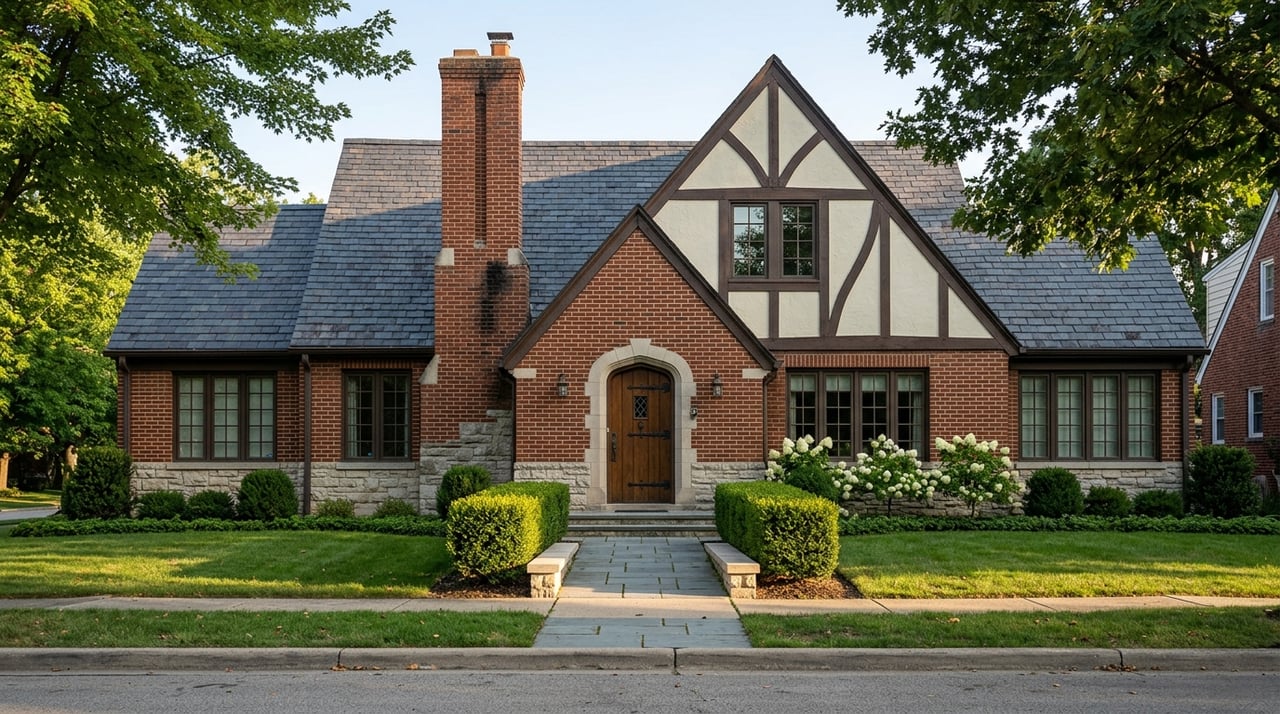
If you have ever wondered why Upper Montclair homes draw so much attention so quickly, the answer is not just location or square footage. The area’s historic housing stock still shapes what buyers compete for, what sellers can command, and how future changes get evaluated. If you are buying or selling in 07043, understanding that historic framework can help you make smarter decisions with more confidence. Let’s dive in.
Upper Montclair’s residential character was built largely between 1900 and 1929, with significant construction from 1904 to 1930 and most streets developed by 1948. That means much of the neighborhood was formed in a specific era, with homes designed for a growing commuter community rather than a modern subdivision model.
The result is a streetscape that feels cohesive but not repetitive. According to the township survey, the area is largely made up of two- to three-story single-family homes with large front porches, medium-sized lots, and wide streets. In a market where buyers often want both character and convenience, that built environment matters.
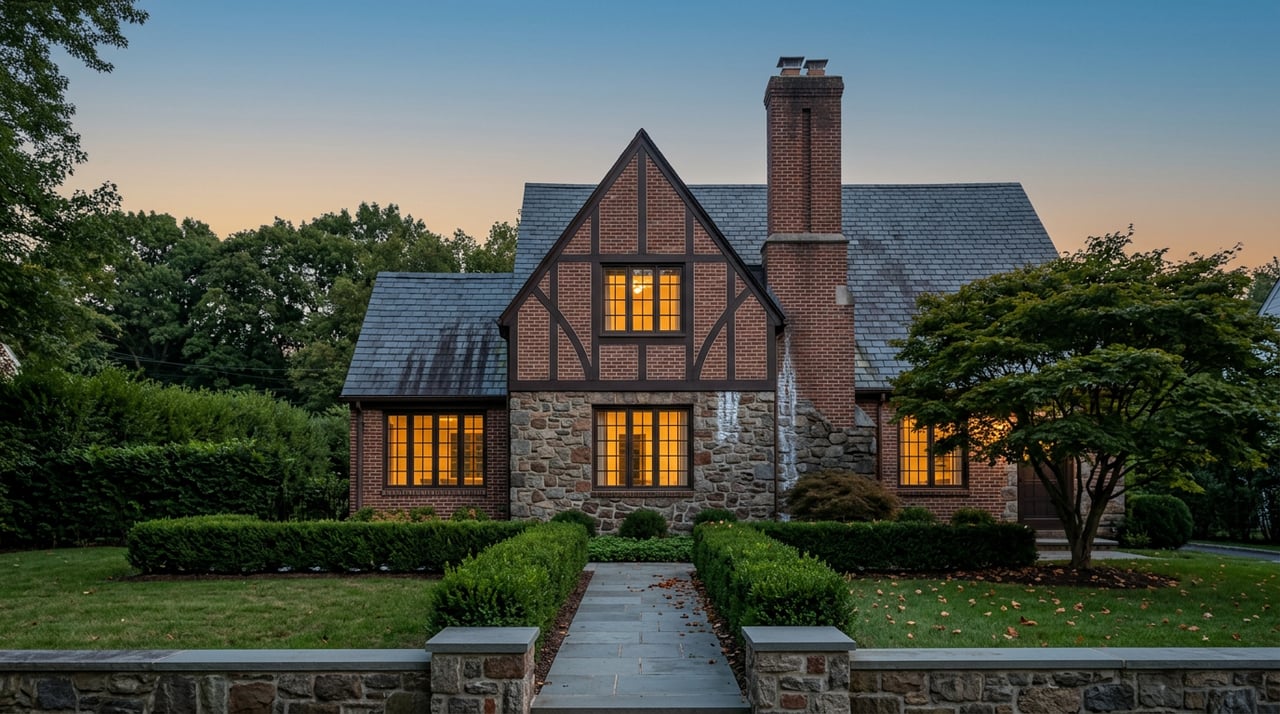
Upper Montclair is known for architectural variety within a consistent pre-war feel. Colonial Revival is the most common style, but you also see Tudor Revival, Queen Anne, Craftsman, Shingle, Prairie, Neo-Classical, and Minimal Traditional homes throughout the area.
That mix gives buyers more than visual appeal. It creates a sense of individuality that is hard to replicate in newer housing stock. In practical terms, buyers are often comparing not just bedroom count or updated kitchens, but original millwork, porch design, masonry, windows, staircases, and overall period proportions.
Montclair as a whole also leans heavily pre-war. The township reports that 59.8% of housing units were built in 1939 or earlier. That broader context reinforces why historic character remains such an important part of value in Upper Montclair.
One detail many buyers miss is that Upper Montclair is not only about a few standout houses. The township distinguishes between the formal Upper Montclair Historic District, which covers the village’s commercial corridor, and the surrounding Upper Montclair Commuter Area, which has been surveyed as a potential historic district.
The commercial district has served as a central business area for more than 100 years and includes 93 historic structures dating from the 1880s to the 1930s. For the market, that means buyers are often responding to a complete setting: historic homes, an established village pattern, and a neighborhood identity that feels intact.
That matters because value in places like Upper Montclair is often tied to context. A home near a well-preserved village core can benefit from the consistency and continuity around it, not just from what sits within its own property lines.
One reason Upper Montclair’s market stays tight is that its historic character is not accidental. Montclair has four locally landmarked historic districts, and the township established its Historic Preservation Commission in 1994 to protect architectural heritage.
The township’s design guidelines are meant to preserve the essential character of historic resources and guide new construction. In local historic districts, a Certificate of Appropriateness is required for demolition, additions, alterations, new principal or accessory structures, and other exterior changes.
That review process can affect how quickly housing supply changes. A newer suburb may absorb demand with easier tear-downs, larger additions, or faster redevelopment. In Upper Montclair, those paths can be more limited, especially when exterior changes alter the historic appearance.
For buyers, this is where historic character becomes a market factor rather than just a design preference. The township states that total demolition of a structure in a local landmark district, individually designated landmark, or surveyed property within a potential historic district must receive Historic Preservation Commission approval.
If an addition or alteration cannot meet bulk requirements, a variance may also be needed. The township has completed an intensive-level survey of 650 properties in the Upper Montclair Commuter Area, which the master plan identified as a potential historic district.
In plain terms, future expansion may be possible, but it is not always simple or fast. That can make homes with well-preserved layouts, functional space, and thoughtfully completed exterior work especially attractive in today’s market.
Recent market snapshots point in the same direction: Upper Montclair remains fast-moving, expensive, and inventory constrained. Zillow reported an average 07043 home value of $1,408,062 as of April 30, 2026, with homes going pending in about 10 days, 28 homes for sale, and a median list price of $1,112,333.
Redfin reported an Upper Montclair median sale price of $1.45 million in March 2026, with homes selling after 15 days on market and many multiple-offer situations. Realtor.com’s 07043 data showed 34 homes for sale, a median listing price of $1.05 million, and a median 18 days on market.
The exact figures can shift from month to month, but the pattern is clear. Limited supply, historic appeal, and strong demand continue to support a highly competitive environment.
In Upper Montclair, price is rarely about square footage alone. Historic homes often trade on a combination of architectural integrity, lot size, condition of original details, proximity to the village, and the feasibility of future changes.
That means two homes with similar room counts may perform very differently depending on condition and character. A house with intact period features, strong curb appeal, and documented exterior improvements may command more attention than a comparable home that needs extensive visible work.
For buyers, this helps explain why some listings move immediately while others take longer. The market tends to reward homes that balance historic character with everyday livability.
If you are considering a home in Upper Montclair, historic status should be part of your early due diligence. Before making an offer, it is worth confirming whether the property is in a local historic district, whether it is a surveyed property in the Upper Montclair Commuter Area, and what types of exterior work may trigger township review.
A few smart questions can go a long way:
These are not reasons to avoid a property. They are reasons to go in with clarity, especially if your long-term plan includes visible exterior changes.
For sellers, Upper Montclair’s historic market rewards preparation and presentation. Buyers often respond strongly to the features that are hardest to recreate once they are lost.
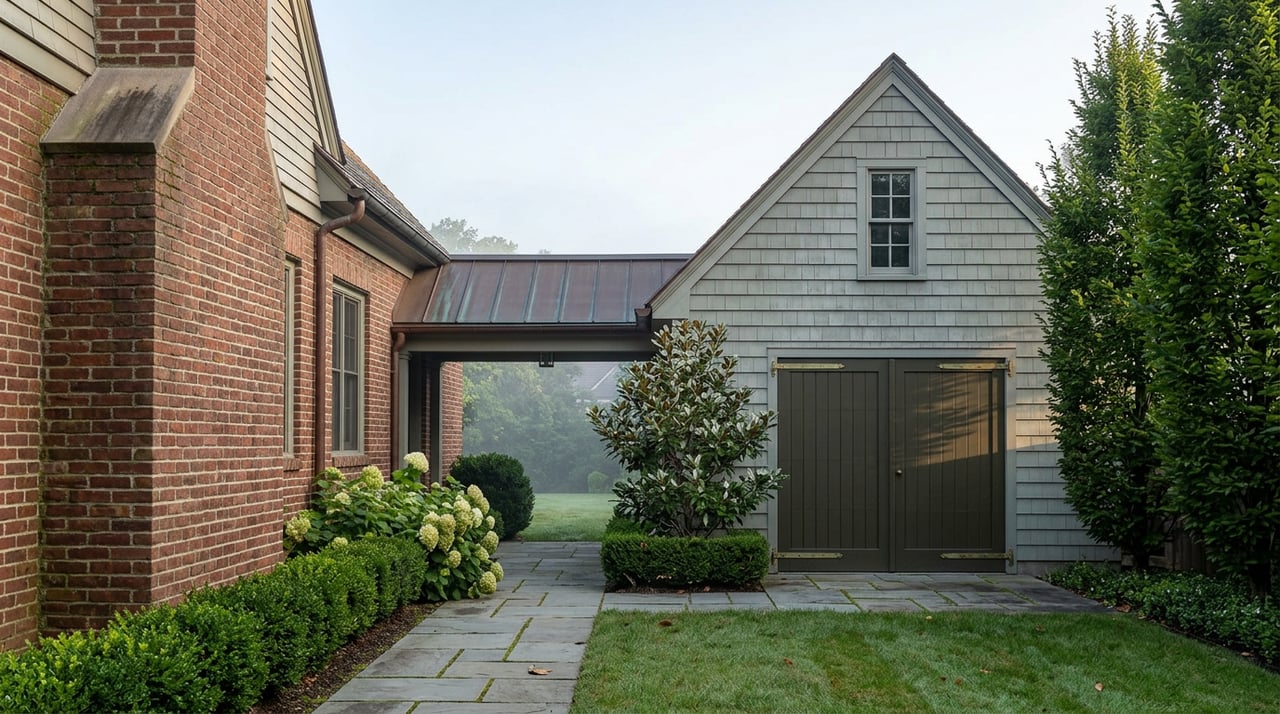
That includes original millwork, porches, masonry, staircases, windows, and intact proportions. If exterior work has already been completed, organized records of permits and approvals can help reduce uncertainty and strengthen buyer confidence.
It also helps to frame the home’s story clearly. In a market shaped by architecture and context, thoughtful positioning can elevate how buyers understand the property from the start.
Historic appeal is only part of the picture. Montclair is about 12 miles west of New York City, and township transportation information notes that the township has seven NJ Transit train stations on the Montclair-Boonton line, along with bus service to New York City and other New Jersey points.
That commuter connection has long influenced Upper Montclair’s identity. The neighborhood developed in part around that access, and it still benefits from buyers who want an established residential setting with regional connectivity.
Township information also points to civic amenities including schools, an Upper Montclair branch library, an art museum, and other everyday community resources. Together, those features support sustained buyer interest beyond the historic housing itself.
Upper Montclair’s historic homes shape today’s market because they create scarcity, identity, and lasting appeal all at once. The architecture is difficult to duplicate, preservation review can limit rapid change, and the broader neighborhood setting adds value that goes beyond any one property.
For buyers, that means moving with both enthusiasm and diligence. For sellers, it means recognizing that a well-positioned historic home can attract serious interest when its character, condition, and context are presented the right way.
If you are thinking about buying or selling in Upper Montclair, working with a team that understands pricing, presentation, and the nuances of historic housing can make a meaningful difference. To start the conversation, request a complimentary home valuation from The Wright Group.
Stay up to date on the latest real estate trends.
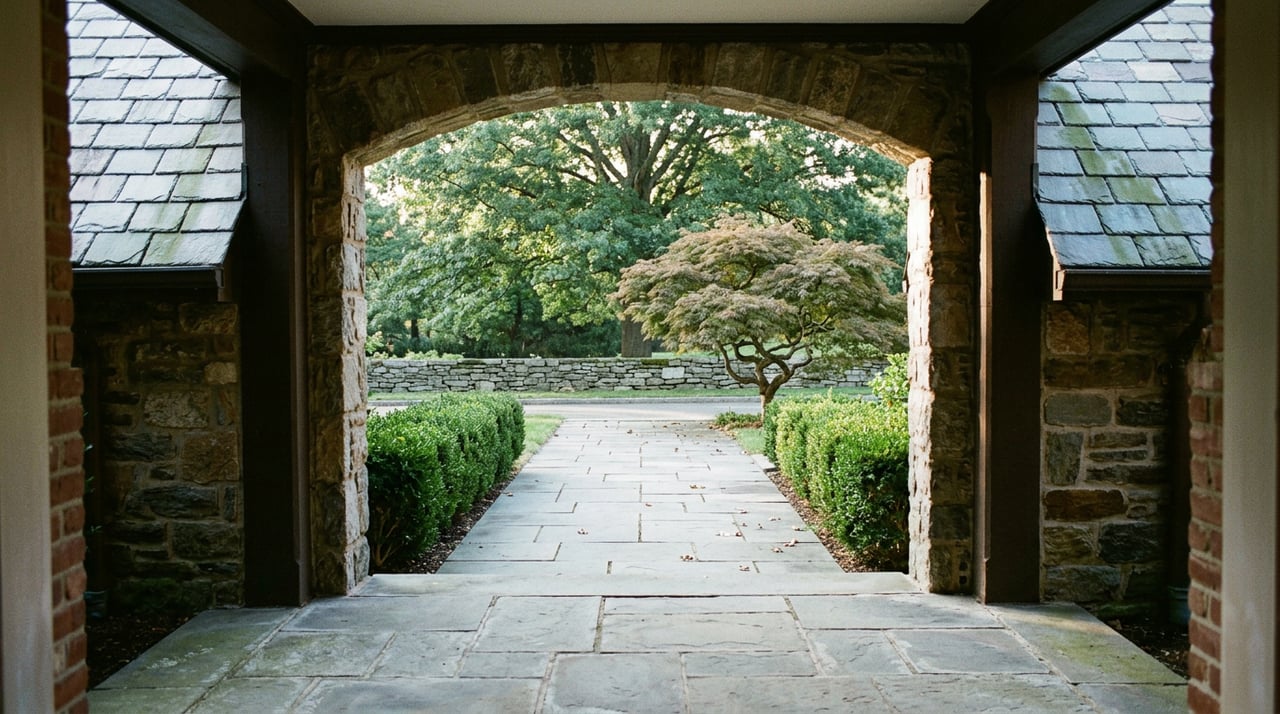
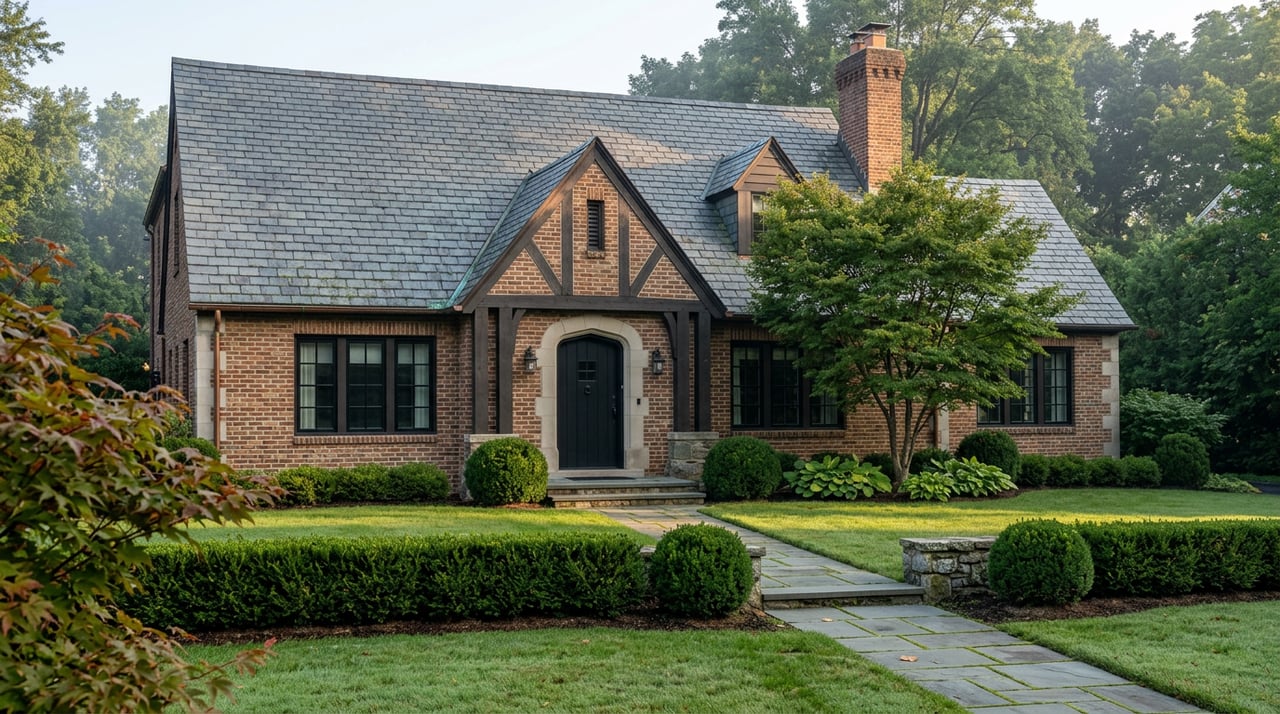
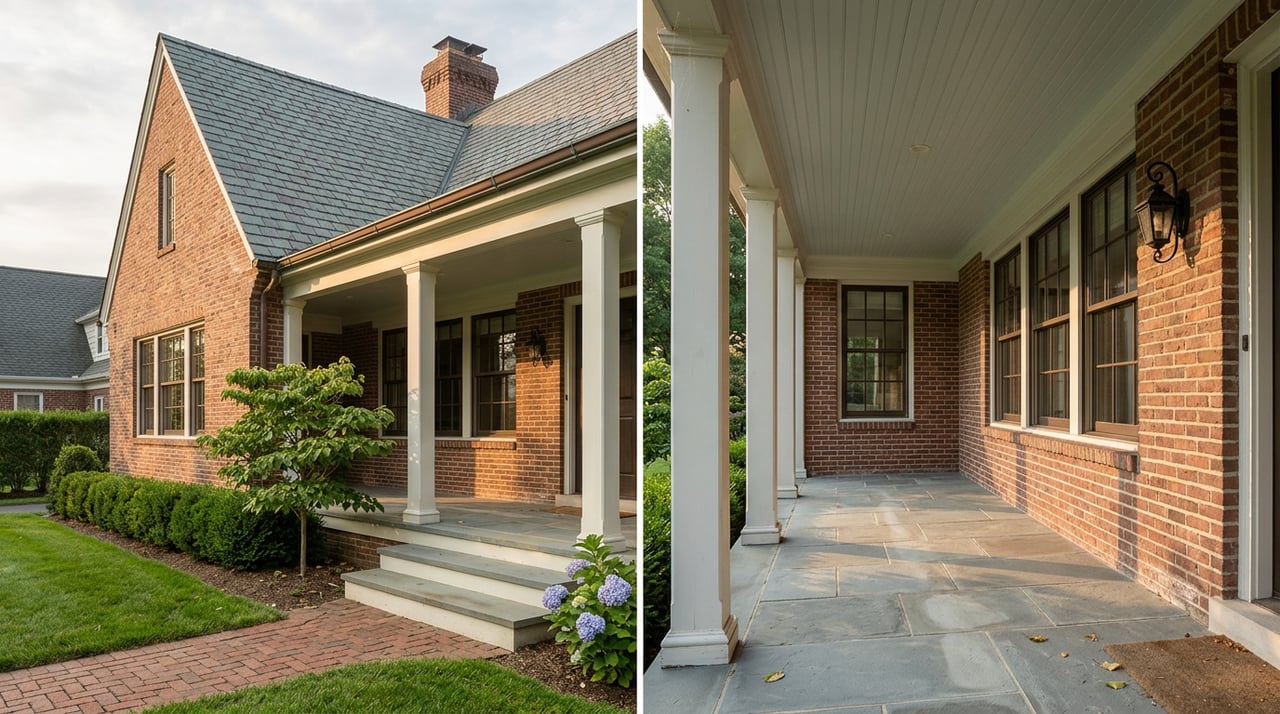

How Sellers Can Leverage the Amenities and Landmarks in Montclair.
Seller Strategies for Attracting a Winning Offer in Montclair.
Trusted, local Listing Specialists who will help you achieve your real estate goals and tell your home's story like no one else can. The Wright Group will MAXIMIZE your home's equity with unrivaled storytelling power and exceptional sales expertise!