Maplewood vs South Orange Homes: Which Town Fits You?
Choosing between Maplewood and South Orange can feel harder than it looks. On paper, both offer strong commuter access, established housing stock, and lively downtown areas. But when you start thinking about your budget, daily routine, and the kind of neighborhood rhythm you want, the differences become more meaningful. This guide breaks down the real tradeoffs so you can compare both towns with more confidence. Let’s dive in.
Maplewood and South Orange sit side by side in Essex County, and they share a lot of appeal for buyers who want access to New York City, classic homes, and walkable downtown areas. They also share the South Orange & Maplewood School District, so this is not a case of choosing between two separate public school systems.
That shared base is why the better question is often not which town is better, but which town fits your lifestyle better. Your answer may come down to pricing, station access, rental mix, downtown feel, and the kind of home inventory you want to tour.
If schools are high on your list, it helps to know that Maplewood and South Orange are served by the same district: the South Orange & Maplewood School District. The district includes Columbia High School, two middle schools, six elementary schools, and Montrose Early Childhood Center.
On the Maplewood side, the elementary schools include Clinton, Delia Bolden, Seth Boyden, and Tuscan. On the South Orange side, they include Marshall and South Mountain, along with South Orange Middle. For many buyers, that means the school conversation is more about specific assignment and day-to-day logistics than about comparing one townwide district against another.
Both towns are strong choices if you commute toward New York City. Maplewood has Maplewood Station on NJ TRANSIT, and the township runs a jitney service to and from the station.
South Orange has both South Orange Station and Mountain Station. NJ TRANSIT notes that South Orange Station has direct service to Newark Broad Street, Secaucus, Hoboken, and New York Penn Station. If your commute is a major factor, station location and how easily you can get there from a given home may matter more than the town name on the mailing address.
Maplewood may appeal to you if you like the idea of a compact village setup paired with jitney access to the train. That can be a practical advantage if you want flexibility beyond walking distance.
For some buyers, this setup supports an easier daily routine. The key is to test the actual trip from a specific block to the station during the times you would really travel.
South Orange may stand out if you want two station options in town. That can open up more flexibility depending on where you live and how you prefer to get to the train.
If you commute to Jersey City or another destination that requires transfers, it is smart to test the full route before you decide. Small differences in transfer patterns and total travel time can shape your everyday experience.
Both towns are older housing markets with a lot of established homes and architectural character. Still, the numbers suggest some real differences in overall feel.
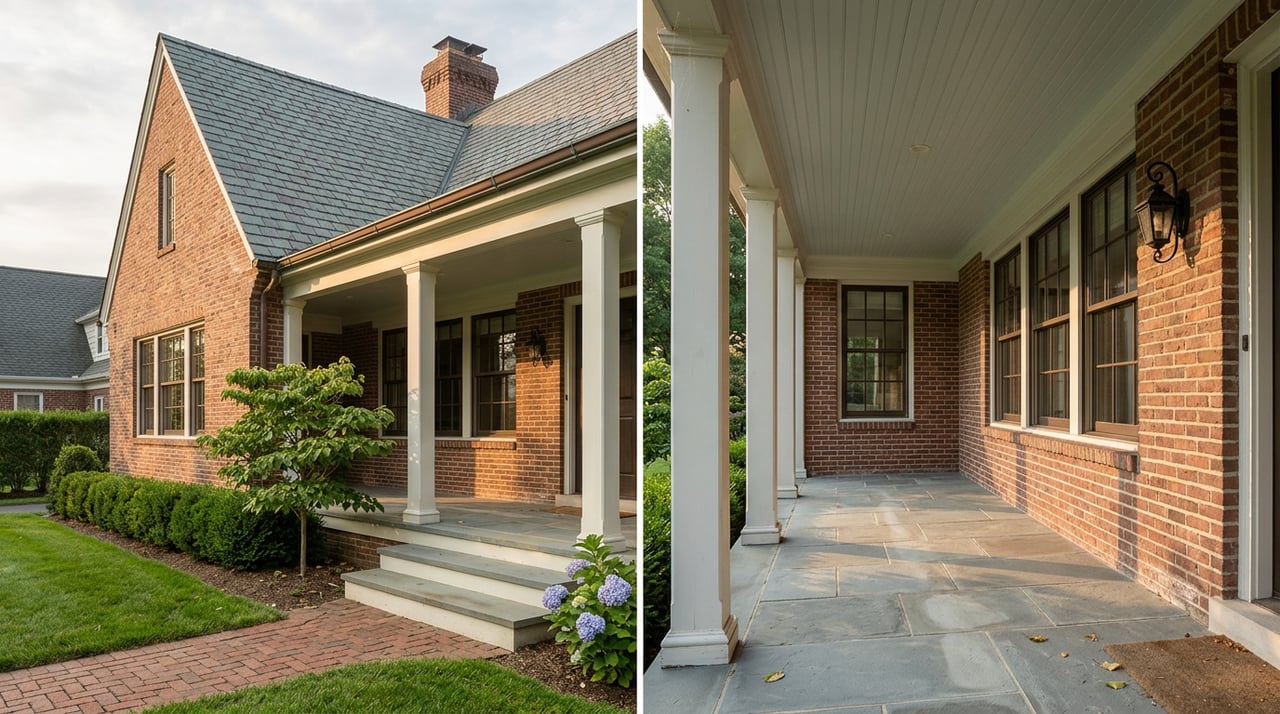
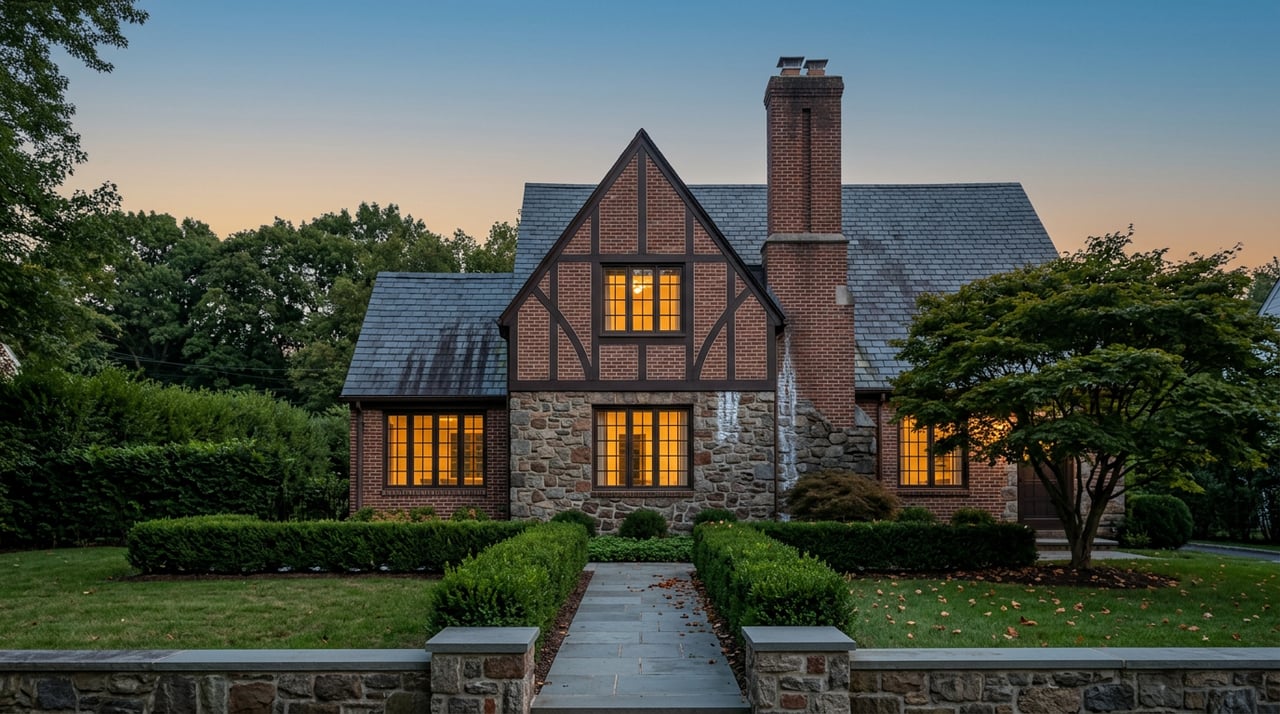
Maplewood is more prewar-heavy, with 54.8% of housing units built in 1939 or earlier. It is also a market where 79.2% of homes have five or more rooms, which supports the idea of larger, classic homes that often attract buyers looking for more interior space.
South Orange is also an older market, but a little less weighted toward the earliest housing stock. Its housing element reports that 46.8% of units were built in 1939 or earlier, and 67.2% were built before 1960.
Maplewood is roughly three-quarters owner-occupied and about one-quarter renter-occupied. That owner-heavy mix, combined with its larger-room-count housing stock, often points buyers toward detached homes with more traditional layouts and established neighborhood streetscapes.
The township is also substantially developed, which means inventory can be shaped by renovation level, lot size, and proximity to the village or station rather than by large waves of new construction. If you like older homes with character, Maplewood may give you more of that feel.
South Orange reports 65.8% owner-occupied households and 34.2% renter-occupied households. Compared with Maplewood, that higher renter share suggests somewhat more apartment, condo, and mixed-use inventory, especially near downtown and station areas.
That can be helpful if you want a broader mix of property types. It may also appeal to buyers who like a slightly more urban village-center environment.
Both towns are walkable near their centers, but they express that walkability in different ways. This is often the tie-breaker for buyers who like both markets on paper.
Maplewood Village is described as a shopping, dining, and entertainment district with a creative vibe. Its event calendar includes programs like the Maplewood Art Walk, Dickens Village, and Girls Night Out.
South Orange emphasizes a downtown environment shaped by public programming, arts, and pedestrian activity. South Orange Downtown highlights efforts to keep the Village Center cleaner, safer, and more pedestrian-friendly, and its programming includes events like the Food Stroll. The broader downtown identity also emphasizes SOPAC and a cinema.
Maplewood may feel like the better fit if you want a compact village experience with an easy retail core. Walk Score samples for downtown-adjacent Maplewood addresses came in at 85, 87, and 76, which supports the idea that its center is very walkable.
Because those scores are address-specific, they should be used carefully. Still, the overall pattern suggests that Maplewood’s core reads as a little tighter and more compact in the sampled areas.
South Orange may fit you better if you want a downtown with a stronger arts-and-events identity and a station-centered feel. Sampled Walk Score results included a town sample at 70, with some residential locations in the high-50s to low-60s.
That does not mean South Orange is not walkable. It means the experience can vary more depending on where you live, especially as you move away from the center.
For many buyers, budget narrows the choice quickly. The current pricing pattern shows South Orange generally running higher than Maplewood.
As of spring 2026, Realtor.com reported 61 for-sale properties in Maplewood with a median asking price of $812,000 and 20 median days on market. Redfin’s 07040 market page put Maplewood’s median sale price at $857,000 in March 2026.
For South Orange’s 07079 ZIP code, Realtor.com showed 35 active listings with a median price of $987,000. Redfin put the median sale price at $997,000 in March 2026, and Zillow showed a median list price near $990,000.
In practical terms, Maplewood is often the more accessible entry point between the two. That does not mean every home is less expensive, but it does suggest you may find more flexibility there if you want to stay below South Orange’s current median pricing range.
South Orange may be worth the premium if you value its two-station setup, broader mixed-use inventory, or downtown arts identity. In either town, pricing can shift sharply based on renovation quality, lot size, and distance to the station or village center.
Even if you are planning to buy, the rental picture can tell you something about each town’s housing mix. It can also help if you are considering a condo, apartment, or future investment angle.
Maplewood’s housing element reports a 2023 median gross rent of $2,184. It also notes that many rental units cluster between $2,000 and $2,499 per month, with another large share at $3,000 or more.
South Orange’s housing element points to a higher renter share overall, and a current rental snapshot from Realtor.com put rents at about $3,200 per month. That reinforces the idea that South Orange has a somewhat stronger apartment, condo, and mixed-use presence.
If you are looking for a slightly lower price ceiling, a more owner-occupied feel, and classic prewar housing with larger room counts, Maplewood may be the better fit. It can be especially appealing if you want a compact village center and like the practical boost of jitney access to the train.
If you are comfortable at a higher price point and want two station options, a somewhat broader rental and mixed-use base, and a downtown identity shaped strongly by arts and events, South Orange may suit you better. It often feels a bit more centered on a downtown-plus-station lifestyle.
The best way to decide is to tour both towns in real life, not just online. A weekday evening and a weekend visit can reveal very different things about parking, foot traffic, downtown energy, and station convenience.
As you compare homes, focus on these details:
A smart home search in Essex County is rarely just about square footage. It is about how the home, commute, and neighborhood fit together in your daily life.
When you are ready to compare Maplewood and South Orange with a sharper local lens, The Wright Group can help you weigh inventory, pricing, commute patterns, and lifestyle fit across both towns.
Stay up to date on the latest real estate trends.
Your Seasonal Home Maintenance Checklist in Montclair, NJ, for a Market-Ready Home.
A Local Guide to Common Home Seller Mistakes in Montclair, NJ.
Trusted, local Listing Specialists who will help you achieve your real estate goals and tell your home's story like no one else can. The Wright Group will MAXIMIZE your home's equity with unrivaled storytelling power and exceptional sales expertise!